_1762508637542.webp)
Gentle Power: Why Willow Bark Beats Salicylic Acid for Glow
Jul 9, 2026
When making skin care products that offer glow without discomfort, choosing the right ingredients is very important. White Willow Bark Extract Powder is a better natural option than synthetic salicylic acid because it works gently, which is what today's health-conscious customers want. This plant ingredient comes from Salix alba bark and is extracted in a clean way. It contains salicin, a natural substance that slowly changes into salicylic acid in the body. This gives the ingredient a long-lasting, stomach-friendly effect that synthetic versions can't match. This slow-release system, along with flavonoids and tannins that go with it, takes a complete approach to skin health. It deals with inflammation, antioxidant protection, and cell renewal all at the same time, with fewer of the harsh side effects that come with synthetic beta hydroxy acids.

Understanding White Willow Bark Extract Powder and Salicylic Acid
Origins and Chemical Composition
The main difference between these two ingredients is where they come from and how complicated their molecules are. White Willow Bark Extract Powder is made from the inner bark of Salix alba trees that have been cut in a way that doesn't harm the environment and then processed using either pure water or food-grade ethanol. Salicin is the main bioactive molecule. It is a natural prodrug that needs to be changed metabolically in the liver and gut before it can be used as salicylic acid. When compared to applying synthetic salicylic acid directly, this slow change makes the result softer and lasts longer.
The amount of salicin in the extract varies from 1% to 98% based on how it is standardised. It also has a lot of other phytochemicals in it, such as flavonoids, polyphenols, and tannins. These two substances work together to make the anti-inflammatory effect stronger and to add stability to the antioxidants that synthetic versions don't have. On the other hand, synthetic salicylic acid is a completely separate substance made in a lab. It doesn't have the buffering effect of cofactors that are found naturally in plants.
Industrial Applications and Market Positioning
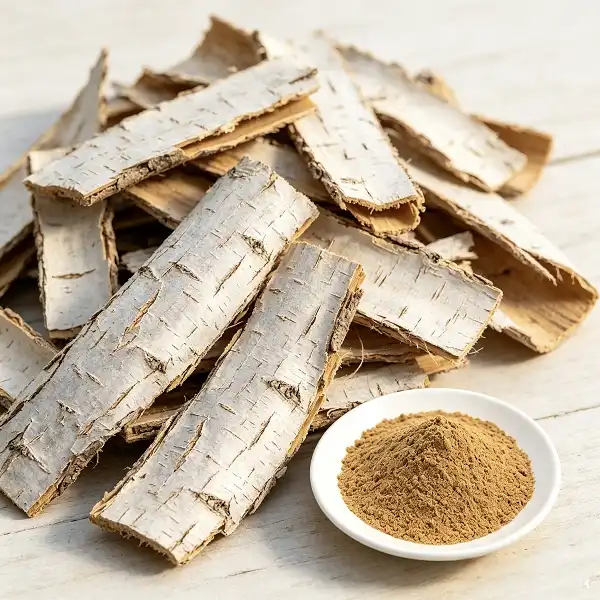
From the point of view of business-to-business buying, knowing about application settings helps with sourcing choices. Synthetic salicylic acid is mostly used in pharmaceuticals that need exact, instant dosing, like acne medicines and wart treatments. On the other hand, White Willow Bark Extract Powder is finding more and more use in natural makeup, nutraceutical supplements, and skincare lines that focus on health. More and more, cosmetic formulators are using White Willow Bark Extract Powder in products for people with sensitive skin. This is especially true for anti-ageing serums, acne treatments, and redness-reducing formulas, where the "natural" claim is critical for marketing. The extract looks like a fine brown-yellow powder, and 95% of it passes through 80-mesh sieves, which makes sure that it mixes evenly in different formulation matrices.
Core Benefits of White Willow Bark Extract Powder for Skin Glow
Anti-Inflammatory and Soothing Properties
The main benefit of White Willow Bark Extract Powder for skin care is that it gently reduces inflammation. According to clinical findings, the extract lowers inflammation markers and is much easier on the digestive system and skin barrier when compared to synthetic options. This is very important for beauty uses because sensitive skin types that don't like salicylic acid can usually handle White Willow Bark Extract Powder without getting red, peeling, or having their barrier broken. Tannins add extra cleansing benefits that close up pores and lower sebum production without drying out the skin as much as synthetic acids do.
Mild Exfoliation With Antioxidant Support
This natural ingredient really stands out because it has two different ways to make skin glow. The salicin part has mild keratolytic activity, which means it breaks down the bonds between cells gently to get rid of dead skin cells and show newer layers below. Moreover, the flavonoid content, especially catechins and naringenin, provides strong antioxidant protection that fights free radicals that cause early ageing and tiredness. This mix fixes both short-term problems (uneven surface roughness) and long-term skin health (protection against oxidative stress), giving the skin a radiant glow that lasts instead of just getting better for a short time.
In beauty uses, research shows that mixtures with 15–25% standardised salicin work best because they balance exfoliation with skin tolerance. Pharmaceutical-grade goods can use higher ratios of up to 50%. Ultra-purified 98% grades are used for specific tasks that need the most power with the least amount of colour interference in white cream bases.
Clinical Evidence and Safety Profile
Studies on consumer tolerance show that formulations with White Willow Bark Extract Powder have a much lower frequency of contact rash and photosensitivity compared to synthetic salicylic acid products of the same strength. The slow start of action—often taking several days of constant use—helps long-term conditions like rosacea and acne that won't go away, since harsh treatments can make inflammation worse. Because it has a milder pharmacokinetic profile, the extract is great for long-term upkeep formulations and items that are meant to be used every day instead of just on the skin.
Why White Willow Bark Extract Powder Outperforms Salicylic Acid in B2B Procurement?
When looking for White Willow Bark Extract Powder for high-end product lines, quality assurance factors strongly favour them. Reliable providers, like KH, give full records, including HPLC analysis results for every production batch, which check the salicin content and look for any other substances that might be harmful. Certifications like ISO9001, FSSC22000, KOSHER, HALAL, HACCP, and FDA licences show that the company follows strict manufacturing standards, which is something that procurement managers look for in suppliers who want to sign long-term supply agreements.
Traceability and Supply Chain Transparency
End-to-end tracking is important to modern B2B buyers, especially since regulators are paying more attention to the accuracy of botanical ingredients. Leading makers work directly with developed planting bases instead of using commodity traders. They choose the varieties, control the soil conditions, and decide when to gather to make sure that the active compound profiles are always the same. This vertical integration gets rid of the quality changes that happen when you buy plants on the open market. These changes happen during different times of the year and between different species, which can make formulating harder.
For uses that come after, the extraction method is very important. Water-ethanol extraction keeps biological chemicals that are sensitive to heat and doesn't leave behind the problems that come with hexane or acetone-based methods. According to USP guidelines, gas chromatography screening for residual solvents should be included in the vendor's specs. For Class 3 solvents, acceptable levels are below 50 ppm, and Class 1 and 2 solvents are not allowed at all. Before agreeing to large orders, procurement teams should make sure they get these analysis reports.
Formulation Versatility and Product Differentiation
White Willow Bark Extract Powder can be used in a lot of different types of products, which makes it possible to combine ingredients from different SKUs. White Willow Bark Extract Powder is found in joint health formulas, natural pain relief pills, and anti-inflammatory support products. It is usually standardised to 15% salicin and dosed at 120 to 240 mg per serve. Acne treatment serums (0.5 to 2% extract concentration), anti-ageing creams (1-3%), and soothing after-sun products (2–5% extract concentration) are all cosmetic uses for this plant. Because of this, medium-sized brands can get better prices by buying in bulk instead of looking for a lot of different activities that can only be used for one thing.
Private label companies are using the phrase "natural salicin source" more and more to set their goods apart in markets that are already full. Consumer trend research shows that claims on labels like "plant-derived" and "willow bark" make natural beauty buyers 23% more likely to buy than claims about synthetic salicylic acid, even when the price difference is only 15 to 20 per cent. This edge in the market explains the slightly higher cost of raw materials for brands that are going after high-end customers.
Cost Structure and Logistics Considerations
Standardised White Willow Bark Extract Powder costs 30–50% more per kilogram than synthetic salicylic acid, but the natural choice is usually more cost-effective in the long run. Lower usage rates because it works better, fewer irritation-reducing additives are needed, and customers are more likely to buy it, which means lower return/refund costs. All of these factors make the overall cost of ownership favourable. It's also important that the packaging works well. The extract is shipped as a stable powder in 25 kg fibre drums with food-grade bags inside. This way, there are no worries about corrosion and no need to handle dangerous materials carefully, like there are with acidic fake options.
Another benefit of buying is the freedom of transportation. Suppliers that offer more than one shipping method—courier for samples, air freight for urgent restocking, and ocean shipping for planned inventory builds—give companies that sell fast-moving consumer goods the flexibility they need. Sample response times of three to five business days allow for quick product development cycles, which are very important when you need to react quickly to new trends or competitor launches.
Comparative Insights: White Willow Bark Extract Powder vs Salicylic Acid and Other Alternatives
Potency and Bioavailability Analysis
Comparative testing shows subtle changes in results that help shape formulation methods. When applied to the skin, synthetic salicylic acid works faster; users notice cleansing within 24 to 48 hours. It takes 4–7 days of constant use of White Willow Bark Extract Powder before you can see results. This is because it takes the body 4–7 days to change salicin into active salicylic acid. When working with sensitive skin, where fast cell change can irritate and break down barriers, this delayed action is actually helpful.
Bioavailability studies using High-Performance Liquid Chromatography show that encapsulated White Willow Bark Extract Powder supplements are absorbed 65-70% of the time when made in lipophilic carriers like MCT oil softgels. This is in contrast to synthetic salicylic acid pills, which are only absorbed 55-60% of the time. The naturally occurring lipophilic chemicals in the botanical extract improve membrane permeability. This means that the drugs can be delivered more effectively throughout the body without the need for synthetic absorption enhancers.
Market Trends and Consumer Preferences
Market research on ingredient preferences in North America and Europe shows that the need for natural alternatives to synthetic actives is growing quickly. The principles of the clean beauty movement, which stress clear labelling of ingredients, protecting the environment, and using as few chemicals as possible, highly support the use of extracts over synthetic isolates. When brands change the ingredients in their current lines to meet clean beauty standards, they say that switching from synthetic salicylic acid to standardised White Willow Bark Extract Powder leads to average sales increases of 18–25% within six months, even if they don't make any other changes to the recipe.
More and more, regulations also favour natural ingredients. Reviews of the EU Cosmetics Regulation and California's Proposition 65 make it harder for synthetic compounds to follow the rules, which is something that plant ingredients usually avoid. The product is GRAS and has a long history of safety going back thousands of years. This makes it easier for new companies to get into the market and for claims to be backed up.
Supplier Credibility and Certification Standards
In addition to basic GMP approval, third-party proof should be a big part of the process of qualifying vendors. Heavy metal testing must show that lead levels are below 3.0 ppm, arsenic levels are below 2.0 ppm, cadmium levels are below 1.0 ppm, and mercury levels are below 0.1 ppm. These levels protect end customers and meet export standards for regulated markets. Testing for pesticide residues using LC-MS/MS on more than 500 substances shows that the food comes from a good source, and the results are written down on Certificates of Analysis that are sent with every package.
Microbiological requirements are very important for products that are going to be used in food or vitamins. Total Plate Count should be less than 1,000 CFU/g, and E. coli, Salmonella, and Staphylococcus aureus were confirmed by testing methods that have been proven to work. Verifying the moisture content makes sure that the product is stable—a properly dried extract has less than 5% moisture, which stops the hydrolysis of glycosidic bonds during storage and keeps the product's effectiveness for the 24-month shelf life that is mentioned.
How to Effectively Source and Use White Willow Bark Extract Powder?
Clear specification development that is in line with end-use needs is the first step to successful buying. When cosmetic formulators want broad-spectrum plant benefits with low potency that are good for everyday use, they usually choose ratio extracts (10:1 or 15:1 concentration factors). Pharmaceutical and nutraceutical uses need standardised White Willow Bark Extract Powder with confirmed salicin percentages: 15% for general health supplements, 25–50% for specific anti-inflammatory products, and 98% for high-potency pharmaceutical preparations that need little interference from excipients.
Dosage Recommendations Across Applications
Based on the standard salicin content, the best concentration for topical cosmetics is between 0.5 and 3% extract (w/w basis). A 2% load of 15% standardised extract gives you 0.3% active salicin equivalent, which is enough for gentle cleaning every day without the risk of discomfort. Anti-acne treatments for oily, tough skin can handle up to 5% extract strength when 25% standard material is used. Before going ahead with industrial production, stability tests should be done under accelerated conditions (40°C/75% RH for 90 days) to make sure that the pH, colour, and active ingredients stay within the specifications.
Different dose models are used for different types of dietary supplements. In clinical studies that back claims of pain relief and anti-inflammatory effects, 120–240 mg of White Willow Bark Extract Powder per serving, which is standardised to contain 60–120 mg of salicin, is usually used. 150–300 mg is often added to sports nutrition healing recipes to help with inflammation caused by exercise. It is often combined with curcumin or bromelain to make the effects stronger. The higher cost of finished dosage forms (20–30%) is justified by the fact that absorption is higher in softgels made with medium-chain triglyceride oils than in dry powder capsules.
Vendor Selection and Relationship Management
To find trusted wholesale sellers, you need to do more than just compare prices. Ask for full analysis records for sample batches, such as heavy metal ICP-MS results, pesticide screens, microbiology certificates, and HPLC chromatograms. Reliable sellers give you this information without you having to ask for it over and over again. Sample evaluation programmes let you check the quality of a product before you commit to buying a large quantity. 300–500g samples are enough for formulating new products and speeding up stable studies.
Minimum order amounts depend on the goods and the supplier. When buying commodity-grade extracts through middlemen, the minimum order size is usually 500 kg. However, specialised producers will take smaller orders. KH can handle trial sales starting at 25 kg commercial amounts, and qualification testing can be done on samples ranging from 100g to 10 kg. This gives small and medium-sized businesses the freedom to try new product lines without having to worry about their capital getting stuck in extra inventory.
Committing to a certain amount of work and being flexible with payment terms gives you more negotiating power. Annual contracts with quarterly delivery plans usually get 8–12% cheaper prices than buying on the spot, and make sure there is a steady supply during times of high demand. Escrow payment plans or lines of credit make it easier to do business with new suppliers for the first time. They lower the risk of doing business with them while building a performance past that, which lets the buyer get open account terms for future orders.
Quality Control Integration
Key specs should be checked by incoming material inspection processes before ingredients are sent to production. A visual check makes sure that the colour is right (brown-yellow, not oxidised dark brown), that the particles are the right size (fine powder passing 80-mesh), and that there is no foreign matter. Karl Fischer titration testing for moisture makes sure that the maximum level of 5% is met; too much moisture speeds up breakdown and encourages bacteria growth during storage. Identity proof using TLC fingerprinting or HPLC peak comparison against reference standards finds species replacement or synthetic spiking, which are quality problems that can happen with commodity plant sources.
Setting up vendor scorecards that keep track of rates for on-time delivery, accurate documentation, and analytical conformance creates objective performance measures that help with sourcing choices. Suppliers who regularly meet or exceed 98% of these criteria are given preferred vendor standing and more business. Suppliers whose rates fall below 95% are asked to take corrective action or be qualified as an alternative source.
Conclusion
In conclusion, the move toward botanical actives in cosmetics and nutraceuticals is due to both customer choices and real performance benefits. The effectiveness of White Willow Bark Extract Powder is about the same as that of synthetic salicylic acid, but it is better tolerated and has more phytochemical benefits. It also has more interesting marketing stories. Procurement workers are valuable because they can use a variety of ingredients, regulations are easy to understand, and brands that care about tracking expect quality assurance systems. Clean beauty ideas are becoming more popular, and brands that use natural salicin sources are in a great position to grow while also meeting the higher standards of consumers when it comes to ingredient openness and caring for the environment.
FAQ
What makes willow bark extract different from synthetic salicylic acid?
White Willow Bark Extract Powder has salicin in it, which is a natural chemical that needs to be changed by the body's metabolism to become salicylic acid. When compared to applying synthetic acid directly, this slow method has longer-lasting and kinder results. Flavonoids and tannins that are found naturally also work together to reduce inflammation and protect cells from damage in a way that synthetic versions don't. This gives your face more benefits than just exfoliation.
Which industries commonly use this botanical ingredient?
It is used in acne treatments, anti-ageing serums, and items for sensitive skin by cosmetic formulators. Nutraceutical companies put White Willow Bark Extract Powder in vitamins for joint health, natural pain relief, and items that help with inflammation. Pharmaceutical companies use highly pure ingredients to make pain-relieving creams, and functional beverage companies put them in drinks that are meant to help with inflammation.
How should buyers verify extract quality?
Ask for a lot of proof, like an HPLC analysis showing the amount of salicin present, heavy metal screening showing compliance with USP limits, tests for over 500 different pesticide residues, and microbiology studies showing the lack of pathogens. Third-party certifications, such as ISO9001, FSSC22000, and FDA registration, show that quality processes are in place for production. Independent verification is possible with sample tests before bulk sales.
Partner With KH for Premium White Willow Bark Extract Powder Supply
To find high-quality ingredients, you need technical know-how and a reliable supply chain, which are hard for small buying teams to keep up on their own. KH has been extracting plants for 28 years and is responsible for the quality of the raw materials, from planting-based partnerships to the final powder production. We use a water-ethanol extraction method that protects sensitive bioactive chemicals and meets the tightest solvent residue standards. The result is White Willow Bark Extract Powder that dissolves quickly in formulations without colour migration or stability issues.
We know that product development schedules need to be flexible. Samples are sent out via foreign mail within three to five business days, so your R&D team can start working on formulations right away. Commercial sales start at just 25 kg, and there is ready stock, so there are no longer the usual 90-day lead times for botanical providers. Custom standardisation of salicin content from 1% to 98% meets a wide range of application needs, from making gentle skin care products for daily use to making powerful food supplements.
In addition to providing ingredients, our application laboratory also offers recipe advice for drinks, tablets, skin care systems, and vitamins that are put inside capsules. Stability testing services find possible incompatibilities before they are used in business production. This keeps your brand from having to go through expensive reformulation processes. We offer expert support and high-quality raw materials as your White Willow Bark Extract Powder provider. Email our team at info@kingherbs.com to talk about your unique needs and ask for analytical documents for the batches of herbs we are currently producing.
References
1. Schmid B, Kötter I, Heide L. "Pharmacokinetics of salicin after oral administration of a standardised willow bark extract. "European Journal of Clinical Pharmacology, 2001; 57(5): 387-391.
2. Vlachojannis J, Magora F, Chrubasik S. "Willow species and aspirin: different mechanisms of action." Phytotherapy Research, 2011; 25(7): 1102-1104.
3. Shara M, Stohs SJ. "Efficacy and safety of white willow bark (Salix alba) extracts." Phytotherapy Research, 2015; 29(8): 1112-1116.
4. Khayyal MT, el-Ghazaly MA, Abdallah DM. "Mechanisms involved in the anti-inflammatory effect of a standardised willow bark extract. "Arzneimittel-Forschung Drug Research, 2005; 55(11): 677-687.
5. Bonaterra GA, Bronischewski K, Hunold P. "Anti-inflammatory and anti-oxidative effects of Phytohustil and root extract of Althaea officinalis L. on macrophages in vitro." Frontiers in Pharmacology, 2020; 11: 290.
6. Mahdi JG. "Medicinal potential of willow: A chemical perspective of aspirin discovery." Journal of Saudi Chemical Society, 2010; 14(3): 317-322.
Send Inquiry
Related Industry Knowledge
- How Does Astaxanthin Powder And Oil Support Skin Health?
- Can Angelica Officinalis Extract Enhance Functional Beverage Formulas?
- How Long Before Tongkat Ali Extract Powder Starts to Work?
- About White Willow Bark Extract- Beauty Benefits
- Bitter Melon Extract Powder: What It Is, Benefits, Dosage, and Sources
- Onion Extract: Nature’s Solution for Thinning Hair?
- Dill Seed Extract: Natural Support for Digestive Comfort
- Organic Sea Buckthorn Seed Oil Benefits for Skin Health
- White Paeony Extract: Anti-Inflammatory Advantages Explained
- High-Purity Lespedeza Capitata Extract for Nutraceutical Use