
Echinacea Purpurea Extract: Top Uses in Supplements and Skincare
Oct 19, 2026
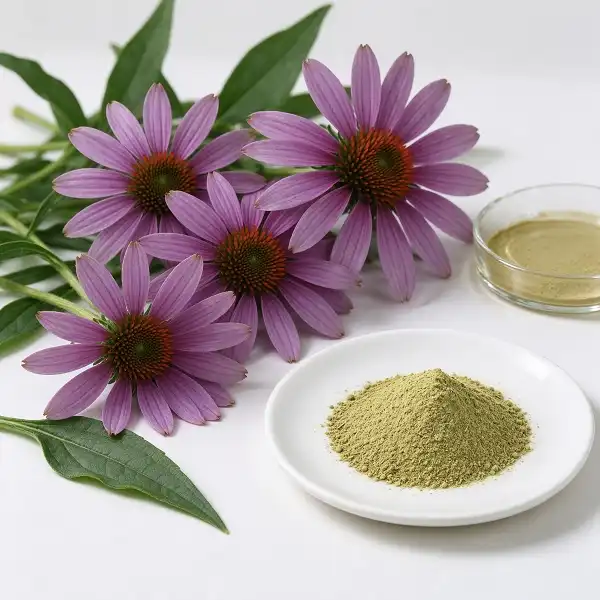
The echinacea purpurea extract is one of the botanical elements that is sourced most frequently in the supplement and beauty industries across the world today. This concentrated powder has three key bioactive groups: cichoric acid, echinacosides, and polyphenols. It is derived from the aerial portions of Echinacea purpurea (L.) Moench, which is the purple coneflower that is native to North America. These substances collaborate to strengthen the immune system's defences, lessen the body's inflammatory responses, and shield skin cells from the damaging effects of oxidative stress. To construct a more robust product line, the first step for procurement managers and product developers is to have an understanding of how this ingredient performs in a variety of applications.

Understanding Echinacea Purpurea Extract: Composition, Benefits, and Mechanism of Action
Key Bioactive Compounds
In the case of Echinacea purpurea, the plant sections that flower contain their own unique collection of phytochemicals. Choline is the primary phenolic marker, as demonstrated by the results of an HPLC test that used choline levels ranging from 0.2% to 4%. It is well known that choline can combat viruses and stimulate macrophages to function. Between one per cent and twelve per cent of echinacosides contain glycosides. In addition to protecting tissues, they also help fight free radicals. Based on the results of UV testing, polyphenols (ranging from 4% to 6%) are effective in eliminating a wide variety of free radicals. Any batch considered normal will have these three groups of chemicals responsible for its functionality. The utilisation of UV/HPLC dual testing is the most effective method for evaluating the quality of a batch.
Biological Mechanisms
In a study that was published in the journal Phytomedicine in 2015, it was discovered that cichoric acid can speed up the natural defences of the body by increasing the amount of phagocytosis that macrophages perform. The enzyme known as hyaluronidase is responsible for the breakdown of connective tissue. The echinacosides prevent it from performing its function. This evidence indicates that they have the potential to aid in the healing of the skin and prevent infections from occurring. The reactive oxygen species (ROS) that are found inside the cells are eliminated by the polyphenols. When compared to immunological compounds that only contain a single chemical, such as zinc picolinate, which operate through a smaller enzyme route due to the fact that they work on more than one target, echinacea purpurea extract is distinct.
Dosage Guidelines and Safety Profile
Clinical studies that the European Medicines Agency looked at show that between 300 mg and 500 mg of standardized extract should be taken every day as a food supplement when the immune system is under a lot of stress. It's usually fine to use between 0.5% and 2% in a cream or serum base when it's put on the skin. For the extraction method to meet USP and EP standards, it must only use pure water or food-grade ethanol. The purpose is to make sure that there is no risk of solvents left over. Before taking it for a long time, people with inflammatory diseases should talk to their doctor.
Top Uses of Echinacea Purpurea Extract in Supplements and Skincare
Immune Support Supplement Formulations
Most people still use it to make immune system booster pills and seasonal health tablets. As shown in a 2015 review in The Lancet Infectious Diseases, echinacea products reduce the number of colds by about 35% and the average length of a cold by 1.4 days. Echinacea purpurea extract affects both the innate and adaptive immune systems, which means it has a wider range of immunomodulatory effects than elderberry and zinc. Elderberry mainly stops viruses from replicating, while zinc helps immune cells grow. For this reason, it's a good choice for mixed items that aim to improve seasonal health.
Skincare and Cosmetic Applications
Echinacea purpurea powder is utilised in skin care products for two primary reasons: first, it soothes skin that is sensitive or reactive, and second, it slows down the process of ageing. The presence of polyphenols in it prevents matrix metalloproteinases (MMPs) from degrading collagen, and the presence of cichoric acid prevents dermal fibroblasts from producing cytokines that are responsible for spreading inflammation. Serums, soothing creams, face masks, and other items that aid in the healing of skin that has recently had surgery are all constructed with this ingredient. As a result of the fine, greenish-yellow powder's ability to mix well with water and emulsions, it is simple to include in the processes that are already in place for fabricating items.
Functional Food and Beverage Integration
Echinacea purpurea extract that dissolves in water is being used increasingly in health drink packs, herbal teas, and immunity shots. It stays stable at acidic pH levels when spray-dried with the right carriers, such as maltodextrin, and doesn't settle to the bottom. Companies that make drinks can use this style if they want to put a botanical claim on their packages without having to change how the ingredients are mentioned.
How to Choose the Best Echinacea Purpurea Extract for Your Business Needs?
Standardisation and Testing Documentation
The norms are the first thing that is examined thoroughly. It is important to make a record of the precise quantities of cichoric acid, echinacoside, and total polyphenols in each batch. In the following step, these quantities ought to be examined using both UV and HPLC. For the purpose of establishing concentration guidelines, extracts with a ratio of 4:1 or 10:1 are utilised; nevertheless, the percentages of active substances are of more significance for legal purposes. Before placing your order, be sure that you have obtained a Certificate of Analysis (CoA) for each batch. They provide your quality assurance team with the comprehensive information they require for compliance files when they provide you with batch-specific HPLC chromatograms rather than simply providing you with summary test reports.
Certifications That Matter
Before giving a seller the green light, serious B2B buyers should look for these certifications:
- ISO 9001 confirms a documented quality management system with traceable process controls from raw material intake to finished batch release.
- FSSC 22000 covers certification for food safety and is mandatory for ingredients entering functional food and beverage production lines.
- KOSHER and HALAL certifications open access to market segments that represent a significant share of the U.S. supplement retail space.
- HACCP certification validates hazard analysis protocols specific to botanical processing environments.
- FDA registration confirms the manufacturing facility operates under U.S. regulatory oversight, which reduces import hold risk.
FDA registration shows that the plant is subject to U.S. laws, which lowers the chance of an import hold.
Form Factor and Formulation Compatibility
To be sure of these certifications, check the registry of the issuing body, not just the supplier's marketing page. This will keep people from suing your brand for theft.
Bulk Purchasing and Sourcing Strategies for Echinacea Purpurea Extract
MOQ, Pricing, and Lead Time Planning
When sold commercially, the first 25 kg are packed in drums, which is the standard amount for plant extracts. Formulators can place sample and small-kilogram trial orders with suppliers who have stock on hand. This lets them test a practice batch before committing to buying in bulk. The price of standardized echinacea purpurea extract powder varies according to the type of approval and the amount of active ingredient. When you buy from sellers whose businesses are growing, prices are less likely to change because of changes in the cost of raw materials.
Supply Chain Risk Mitigation
When purchasing, it is recommended to use third-party testing conducted by authorised labs and the vendor's audit records. If you run factories that do not have climate control, you should always make sure to ask for reliable data that supports the shelf life in the conditions in which you store the products. During the busiest times for immune supplements (Q3–Q4), when wait times grow short, it is helpful to have a variety of shipping options available, such as courier, air freight, and ocean freight. One way for sellers to lessen the likelihood of production delays is to ensure that they have stock on hand and are able to ship fast.
Compliance With International Standards
For businesses that make pharmaceutical-grade supplements, following the USP and EP standards is a must. It is important that the company you choose can prove that they follow USP <561> heavy metal limits, EP pesticide residue levels, and microbiological limits that are safe for use as a food ingredient.
Case Studies & Future Trends: Leveraging Echinacea in Your Product Line
Demonstrated B2B Performance
A supplement company in the United States of America of medium size modified the way in which its seasonal immune pills function by including a dose of echinacea purpurea extract that was measured to be 4%. The company was able to reduce the amount of customer complaints about uneven items by forty percent after two manufacturing runs with batch-level HPLC recording. Additionally, the company was able to achieve clean-label positioning, which allowed the retail price to increase by eighteen percent.
Emerging Trends
As the "clean label" movement gains momentum, consumers are drawn to plant-based goods that do not include any solvents. Currently available on the market are new varieties of echinacea purpurea extract that have been microencapsulated. This is done in order to prevent the cichoric acid from degrading when the extracts are stored in air. As an alternative to the use of antibiotics, the chemical is being tested as a natural method of enhancing the growth of animals. Because of this, formulations need to be thermostable in order to be able to withstand pelleting temperatures that are higher than 80 degrees Celsius.
Market Outlook
The world echinacea market will grow at a rate of about 6.2% per year until 2030, according to Grand View Research (2023). This is because, after the pandemic, people are more aware of their immune systems and want to use more plant-based health products. Now, brands that can connect with stable, approved supply chains can better meet this need without having to change their recipes.
Conclusion
It has been established that echinacea purpurea extract is effective in the production of skin care products, functional drinks, food for animals, and medications that enhance the immune system. Several different compounds, including cichoric acid, echinacosides, and polyphenols, are responsible for its highly bioactive properties. As a result, it is an extremely useful ingredient that is in higher demand. It is of the utmost importance for purchasing teams to locate suppliers who provide stringent standardisation, comprehensive certification coverage, transparent information at the batch level, and expedited shipping. Considering these factors will assist you in determining if an element is beneficial to your product line or detrimental to it in the long run.
FAQ
What are the typical side effects of echinacea purpurea extract in supplements?
Most adults tolerate standardized echinacea purpurea extract well at recommended dosages. Mild gastrointestinal discomfort or skin reactions occur infrequently. Individuals with allergies to Asteraceae family plants (ragweed, chrysanthemums) should exercise caution. Long-term continuous use beyond 8 weeks is generally not recommended without medical guidance.
How does echinacea purpurea extract compare to zinc and elderberry for immune support?
Zinc supports immune cell proliferation through enzymatic pathways. Elderberry primarily targets viral replication via neuraminidase inhibition. Echinacea purpurea extract activates macrophages and modulates both innate and adaptive immunity, making it functionally distinct. Many manufacturers combine all three in a single formula to address immune defense from multiple angles.
What certifications should I verify when selecting a bulk echinacea purpurea extract supplier?
Prioritise ISO 9001, FSSC 22000, HACCP, KOSHER, HALAL, and FDA registration as baseline requirements. For pharmaceutical applications, confirm USP and EP standard compliance with supporting documentation. Always cross-check certifications against issuing bodies.
What is the standard MOQ for commercial orders?
The standard commercial MOQ is 25 kg per drum. Sample and small trial orders are available for pilot testing prior to full production commitment.
Partner With KH for Premium Echinacea Purpurea Extract Supply
It has been making and selling approved botanical products since 1996 under the name KH (Kingherbs Limited). The company KH that makes echinacea purpurea juice is a reliable one. They offer HPLC data that is specific to each batch and solvent-free extraction, and help with formulating for use in skin care products, supplements, and functional foods. It has been approved by the FDA, KOSHER, HALAL, FSSC 22000, ISO 9001, and FSSC 22000. When we have ready stock, we can ship around the world quickly. You can reach our team at info@kingherbs.com or www.kingherbs.com to get samples or talk about how to find the herbs you need.
References
1. Barnes, J., Anderson, L. A., & Phillipson, J. D. (2005). Herbal Medicines (3rd ed.). Pharmaceutical Press.
2. Karsch-Völk, M., Barrett, B., Kiefer, D., Bauer, R., Ardjomand-Woelkart, K., & Linde, K. (2015). Echinacea for preventing and treating the common cold. Cochrane Database of Systematic Reviews.
3. Mishima, S., Saito, K., Maruyama, H., Inoue, M., Yamashita, T., Ishida, T., & Ohta, Y. (2004). Antioxidant and immunoenhancing effects of Echinacea purpurea. Biological and Pharmaceutical Bulletin, 27(7), 1004–1009.
4. European Medicines Agency. (2015). Assessment Report on Echinacea purpurea (L.) Moench, Herba Recens. EMA/HMPC.
5. Senchina, D. S., Shah, N. B., Doty, D. M., Sanderson, C. R., & Hallam, J. E. (2009). Herbal supplements and athlete immune function. Exercise Immunology Review, 15, 66–101.
6. Grand View Research. (2023). Echinacea Market Size, Share & Trends Analysis Report, 2023–2030. Grand View Research, Inc.
Send Inquiry
_1779935733082.webp "Lespedeza Capitata Extract")
Related Industry Knowledge
- Maral Root Extract Dosage: What Should First-Time Users Know?
- How does Passionflower Extract Powder compare to other sleep aids?
- Where to buy organic nettle extract powder?
- White Willow Bark - A Natural Pain Reliever and Modern Applications
- Why Choose Tongkat Ali Extract Powder Over Synthetic Alternatives?
- Angelica Officinalis Extract Health Benefits & Medicinal Uses
- How Rhizoma Coptidis Powder Supports Digestive Balance
- Can Onion Extract Improve Hair Growth Naturally?
- Natural Red Colorant: Watermelon Powder Advantage
- Watermelon Powder: Heart Health & Hydration Support