_1762508637542.webp)
Avocado Refined Oil vs Extra Virgin: Which Should You Buy?
Sep 9, 2026
Choosing between avocado refined oil and extra virgin varieties depends entirely on your formulation requirements and industrial applications. For making health supplements, cosmetics, and a lot of food, avocado refined oil is the best choice because it stays stable at high temperatures, doesn't taste good, and can be made in larger quantities without spending a lot of money. Extra virgin avocado oil is expensive and full of good things for you, but only a few people who want real cold-pressed avocado oil like it. Buyers who care about making sure that each batch is the same, that rules are followed, and that the supply chain is reliable usually pick refined options that work well in a variety of production settings.
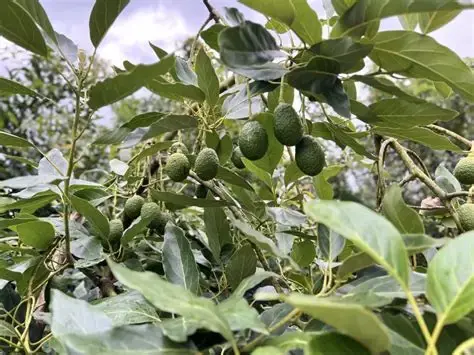
Suitability and Applications: Which Oil Fits Your Business Needs?
To choose the right type of oil, you need to look at your specific application parameters, production scale, and strategy for positioning your product in the market. Depending on operational priorities, each variant has its own benefits.
Industrial Cooking and Food Processing Applications
Because it has a very high smoke point, Avocado Refined Oil is a must-have for industrial frying, spray coating, and baking at high temperatures. Food companies like its clean flavor profile, which won't get in the way of developing the taste of their products, like extra virgin oils do, which add grassy or buttery notes. This balance is very important when making functional foods like protein bars, meal replacements, and functional foods that need a stable fat source that doesn't take over the taste profile.
When making a lot of things, cost efficiency becomes very important. Usually, Avocado Refined Oil costs 30–45% less per kilogram than cold-pressed varieties. It also lasts longer—often 18–24 months with proper storage, compared to 12–18 months for extra virgin. In high-volume production settings, this economic advantage has a direct effect on your cost-per-unit calculations.
Cosmetic and Personal Care Formulations
Cosmetic makers like Avocado Refined Oil because it has a light texture and can go deep into the skin. The oil's small molecular structure lets it reach deeper into the skin, past the top layer of the epidermis. It then delivers nutrients straight to target tissues without blocking the way. This makes it better than heavy carrier oils in anti-aging serums, sleep repair treatments, and massage oils that are meant to help the body heal.
The color of Avocado Refined Oil is neutral, ranging from pale yellow to almost clear. This means that it can be used in a variety of ways without the need for extra bleaching agents or masking pigments. This makes it easier to list ingredients and supports the "clean label" positioning that natural beauty brands are asking for more and more. The deep green color of extra virgin avocado oil is eye-catching, but it can change the color of light-colored foods and limit the types of containers that can be used.
Nutraceutical and Supplement Manufacturing
Avocado Refined Oil is used by some types of dietary supplements to carry fat-soluble vitamins (A, D, E, and K) and plant extracts that need to be suspended in oil. Because the oil is stable, it doesn't oxidize, which could break down sensitive chemicals during packaging, bottling, and shelf storage. We offer Avocado Refined Oil with confirmed fatty acid profiles and full batch paperwork, which includes HPLC analysis proving composition consistency, which is very important for the truth of supplement fact panels.
Avocado Refined Oil's predictable viscosity and moisture content are especially helpful for softgel encapsulation. Temperature changes that happen during shipping and storage won't cause the cloudiness or sedimentation that is sometimes seen in oils that haven't been treated much. This dependability lowers the number of quality rejections and builds stronger relationships with suppliers by ensuring consistent material performance.
Cost-Benefit Analysis for Procurement Teams
When figuring out the total cost of ownership, you should look at more than just the unit price:
- Avocado Refined Oil minimizes formulation adjustments across production runs due to standardized specifications. It takes less time for your R&D team to make up for differences in color, smell, or moisture levels between batches. This consistency shortens the time it takes to develop a product and lowers the cost of reformulating it when going from small pilot batches to large-scale production.
- Longer shelf lives directly cut down on the costs of keeping goods and the waste that comes from using up old supplies. Because Avocado Refined Oil is more resistant to oxidation, it is possible to buy larger amounts when the market is good without worrying that the oil will go bad before it is used.
- As problems with global logistics get worse, supply chain resilience becomes more important. When sending Avocado Refined Oil, it can handle a wider range of temperatures, so it doesn't need to be kept cold or delivered quickly, which are both expensive options that leave big carbon footprints.
-
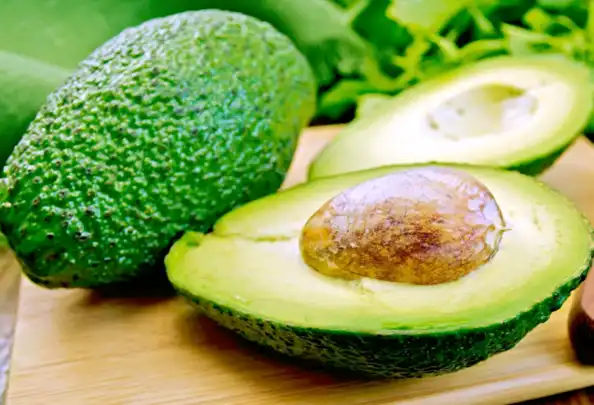
Procurement Insights: How to Source the Best Avocado Oil for Your Business
When you use strategic buying, you have to look at a supplier's skills beyond the basic product requirements. Your production schedules will be safe if you work with the right partner who offers expert help, thorough documentation, and a steady supply of goods.
Critical Certifications and Compliance Standards
Verified certifications that show compliance with foreign manufacturing standards are the first step in quality security. Look for providers that have cGMP, FSSC22000, BRC, or HACCP standards. These show that quality control is done in a planned way throughout production. Certifications like Halal and Kosher make it easier for goods that are aimed at certain groups of people to reach more customers.
Having ISO9001 and ISO22000 certifications shows that a company cares about quality systems and managing food safety. Even tho FDA registration doesn't certify specific products, it shows that a facility is ready for inspection and is aware of the rules that must be followed for the U.S. market.
All of these certifications are kept up to date across all of our production sites, and you can get copies of the certifications and audit reports upon request. This clear paperwork makes it easier to qualify suppliers and helps with government submissions for new product uses.
Supplier Reliability and Technical Support
Suppliers who go above and beyond are more like expert partners than transactional sellers. Check to see if potential suppliers have application laboratories that can test formulations, do stability studies, and check for compatibility issues. We give compounding tips for drinks, gummies, tablets, and skin care systems, which help you get the most out of adding Avocado Refined Oil to your particular product.
We send clear component spectra with every batch we sell, along with full HPLC analysis records that show fatty acid profiles, peroxide values, and results from checking for contaminants. This level of analytical rigor makes it possible to track the product from where it was grown to where it is sold, meeting the requirements of even the strictest quality management systems.
Sample delivery speed shows how well operations are running and how important customer service is. Our normal turnaround time for stock items is 3–5 business days, which lets us try formulations quickly without having to wait for long procurement delays that slow down development projects.
Wholesale Sourcing Strategies
When buying Avocado Refined Oil in bulk, you have to weigh your volume commitments against the cost of keeping the oil in stock and the need to ensure quality. Direct contact with manufacturers often leads to better prices than dealing through distributors. They also give you access to technical support and the ability to make changes.
Look for providers that let you choose the size of your order so that they can handle both test runs and full-scale production. Our willingness to take small-batch sample orders lowers your financial risk when you're trying out new formulas or judging the performance of a supplier before signing a larger volume contract.
Lead times and freight prices are affected by where the goods are shipped. Suppliers with established U.S. transportation networks and product storage cut down on shipping delays and make import paperwork easier to understand. We've streamlined the customs clearance process and teamed up with logistics companies that know how to handle botanical ingredients properly.
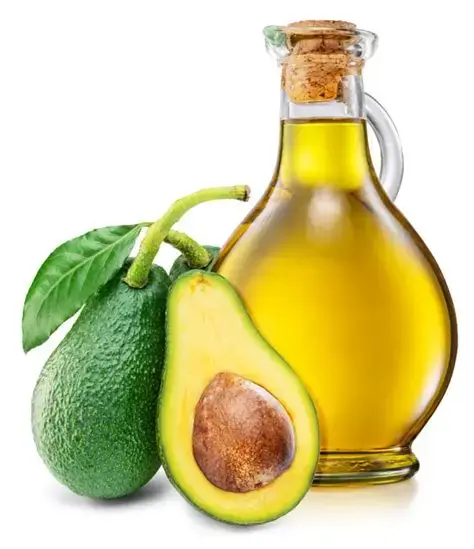
Health, Safety, and Quality Considerations
Product safety and following the rules are still the most important things to consider when buying ingredients. Making confident choices about formulations is possible when you know how processing changes nutritional profiles and safety factors.
Nutritional Profile Comparison
Extra fresh avocado oil has higher amounts of some antioxidants and phytosterols right after it is extracted. Avocado Refined Oil, on the other hand, keeps the key nutrients that give it its health benefits. The amount of monounsaturated fatty acids, mostly oleic acid, stays pretty much the same after processing, which means that the health benefits for the heart and the ability to protect the skin's layer remain.
Vitamin E amounts drop a little during refinement, but they are still high enough to act as antioxidants in recipes. The extra stability that comes from refining actually keeps the nutrients that are still in the oil from breaking down while it is being stored. This means that the nutrients may be easier to get when the oil is being used compared to oxidized extra virgin oils that are getting close to their expiration dates.
Thermal Stability and Safety Parameters
Because Avocado Refined Oil has a high smoke point, it doesn't make dangerous oxidation products like acrolein and other aldehydes, which happen when oils get too hot. In cooking, this safety margin protects both the integrity of the product and the health of the consumer. This is especially important in manufacturing settings where precise temperature control can vary between batches of equipment.
When it comes to cosmetic safety, Avocado Refined Oil is better because they are less likely to cause allergies. When protein pieces and trace chemicals are removed during processing, the risk of sensitization is lower in external uses. However, avocado allergies are still not as common as tree nut or seed oil allergies.
Quality Control Standards for Formulations
Accepting new materials should be based on strict quality standards. Important factors include the peroxide value (which is usually less than 5 meq/kg for fresh Avocado Refined Oil), the amount of free fatty acids (which is less than 0.3% as oleic acid), and the lack of trans fats from the processing. We check each batch of products against USP and EP reference standards when needed and give you Certificates of Analysis as proof of compliance.
Pathogenic bacteria, yeast, and mold that could make the product less safe or stable have been found through microbiological testing. The steps we follow for testing include total plate count, E. coli, Salmonella, and Staphylococcus aureus testing, and keeping notes of the results in batches that customers can look over.
Making the Right Choice: Tailored Recommendations for B2B Buyers
To get the best avocado oil, you need to make sure that the product's features match your needs, your budget, and your market positioning strategies. Structured choice models make this difficult review process easier to understand.
Application-Specific Selection Criteria
The type of oil should match your main use. Avocado Refined Oil is very good for processing foods at high temperatures, frying a lot of food at once, and making neutral-flavored foods. It is also very cheap. Cosmetic companies that care about penetration depth, formulation stability, and color balance find that polished choices work better for most uses besides niche luxury placement.
Extra virgin avocado oil is good for high-end gourmet food brands that focus on cold uses like salad dressings, finishing oils, or dips that are kept in the fridge. Its unique flavor makes the food seem more valuable. Natural skin care brands that say their products are "unrefined" or "minimally processed" may be willing to pay more and have more problems with formulation in order to keep their brand consistent, but in blind tests, the extra cost rarely pays for itself in terms of functional performance.
Long-Term Procurement Strategy Development
To make supply lines more stable, you need to have a variety of ties with suppliers while keeping quality standards high. Form main supplier relationships with makers that allow for technical cooperation, help with custom formulations, and flexible inventory management. Secondary providers lower the risk of delays while also putting pressure on prices through competition.
As consumers and retailers demand environmental accountability, sustainability factors are becoming more and more important in buying decisions. Check to see if your suppliers are committed to programs that reduce waste, use renewable energy in processing facilities, and help farmers use less water. As part of our partnerships with good planting bases, we keep an eye on the health of the soil and use integrated pest management to cut down on chemical inputs that hurt both environmental responsibility and product purity.
Emerging Trends in Avocado Oil Markets
The market for avocado oil keeps growing because more and more people know that it has health benefits beyond those of olive oil. This growth opens up chances for early-adopter brands that want to stand out by coming up with new formulations. For new delivery systems like emulsified drinks, spray-dried powders for quick goods, and microencapsulated forms for controlled release to work, they need the consistency of Avocado Refined Oil.
Trends toward "clean labels" favor natural extraction methods that don't use chemical solvents. We only use water or food-grade ethanol for extraction because that's what customers want and what meets medicinal standards for sensitive uses. This extraction purity helps with marketing and makes regulatory paperwork easier for goods that need a lot of ingredient safety information.
Conclusion
The main things that determine which Avocado Refined Oil or extra virgin variety to use are your manufacturing needs, quality standards, and market positioning. Avocado Refined Oil has the best temperature stability, neutral taste properties, and cost-effective scalability that are needed to make health supplements, cosmetics, and commercial food. Because it performs the same in every run, has a longer shelf life, and can be made in more ways, it is the best choice for buying managers who value dependability. Extra virgin avocado oil is used in high-end markets, but refined avocado extract oil meets the strict technical needs of modern production while still preserving the healthy and beautiful lipid profiles that make avocado oil useful in many situations.
FAQ
What makes avocado refined oil better for manufacturing?
Avocado Refined Oil has a consistent viscosity, a bland taste, and high thermal stability, with smoke points between 480°F and 520°F. Because of these qualities, the product works the same way from batch to batch, without changing color, smelling stronger or weaker, or going bad faster than minimally processed alternatives. While keeping the monounsaturated fatty acid profile important for useful benefits, the refining process gets rid of moisture and impurities that could make the product less stable.
Does refining destroy nutritional value?
Some vitamins, like tocopherols and chlorophyll, are slightly lost during the refining process, but the main fatty acid makeup stays the same. The amount of oleic acid has stayed the same. Oleic acid is good for your heart and can penetrate the skin. The stable gains from refining actually keep nutrients from oxidizing while being stored, which could mean that Avocado Refined Oil is more bioavailable than damaged extra virgin oils that are getting close to their expiration dates.
How do I verify supplier quality?
Ask for full certificates, such as cGMP, FSSC22000, HACCP, ISO9001, and ISO22000 paperwork. Ask for Certificates of Analysis that list each batch's HPLC fatty acid profiles, peroxide values, heavy metal screening results, and microbiological testing outcomes. Check the suppliers' technical support, sample delivery times, and desire to offer application advice. These are all signs of partnership-oriented suppliers versus transactional sellers who are only interested in making large sales.
Partner with KH for Premium Avocado Refined Oil Supply
Getting high-quality ingredients has a direct effect on how well your product works and how well your brand is known. KH (Kingherbs Limited) has been making Avocado Refined Oil for more than 25 years and has a lot of experience with plant extracts. They use natural extraction methods that only use pure water or food-grade ethanol and can track the oil from its growing sites all the way to the finished product. Many certificates, like cGMP, FSSC22000, BRC, HACCP, HALAL, KOSHER, ISO9001, ISO22000, and FDA registration, show that we are dedicated to our quality system. We send samples within three to five business days and include thorough HPLC analysis results with every batch. This gives procurement managers the information they need to follow the rules. Our application laboratory helps improve the formulation of dietary supplements, cosmetics, and functional foods by providing custom compounding solutions that are made to fit your needs. As your supplier of Avocado Refined Oil, we offer low prices and work with you to create new products more quickly. Email us at info@kingherbs.com to get samples and find out how our avocado extract oil solutions can help your recipes.
References
1. Flores, M., Saravia, C., Vergara, C.E., Avila, F., Valdés, H., Ortiz-Viedma, J. (2019). "Avocado Oil: Characteristics, Properties, and Applications." Molecules, 24(11), 2172.
2. Woolf, A., Wong, M., Eyres, L., McGhie, T., Lund, C., Olsson, S., Arpaia, M.L., Requejo-Tapia, C., Moreno, A.O., Bordoni, A. (2009). "Avocado Oil." Gourmet and Health-Promoting Specialty Oils, AOCS Press, 73-125.
3. Bhuyan, D.J., Alsherbiny, M.A., Perera, S., Low, M., Basu, A., Devi, O.A., Barooah, M.S., Li, C.G., Papoutsis, K. (2019). "The Odyssey of Bioactive Compounds in Avocado (Persea americana) and Their Health Benefits." Antioxidants, 8(10), 426.
4. Tan, C.X. (2019). "Virgin Avocado Oil: An Emerging Source of Functional Fruit Oil." Journal of Functional Foods, 54, 381-392.
5. Rodríguez-Sánchez, D.G., Silva-Platas, C., Rojo, R.P., Hernández-Brenes, C., García-Rivas, G., Torre-Amione, G., Pérez-Urizar, J.T. (2015). "Avocado Oil Supplementation Modifies Cardiovascular Risk Profile Markers." Phytotherapy Research, 29(5), 767-773.
6. Ortiz-Avila, O., Esquivel-Martínez, M., Olmos-Orizaba, B.E., Saavedra-Molina, A., Rodríguez-Orozco, A.R., Cortés-Rojo, C. (2013). "Avocado Oil Improves Mitochondrial Function and Decreases Oxidative Stress in the Brain of Diabetic Rats." Journal of Diabetes Research, 2013, 485759.
Send Inquiry
Related Industry Knowledge
- Where to Buy Scutellaria Baicalensis Extract from a Supplier
- How to Use Passionflower Extract Powder for Better Sleep?
- Can White Willow Bark Extract Powder Support Natural Pain Relief?
- How Can Artemisinin Powder Strengthen Herbal Product Lines?
- Mulberry Leaf Extract Powder for Skin Health: Any Benefits?
- Valerian Root Extract Powder for Anxiety & Restlessness Relief
- Can White Paeony Extract Reduce Skin Redness & Irritation?
- High-Potency Mulberry Leaf Extract Powder for Supplements
- Polygonum Cuspidatum Extract for Enhanced Cellular Defense
- Why Japan Chooses China’s Purple Sweet Potato Natural Food Colorant?