_1762508637542.webp)
Aloe Vera Gel Powder Applications: Drinks, Cosmetics, and Supplements
Sep 9, 2026
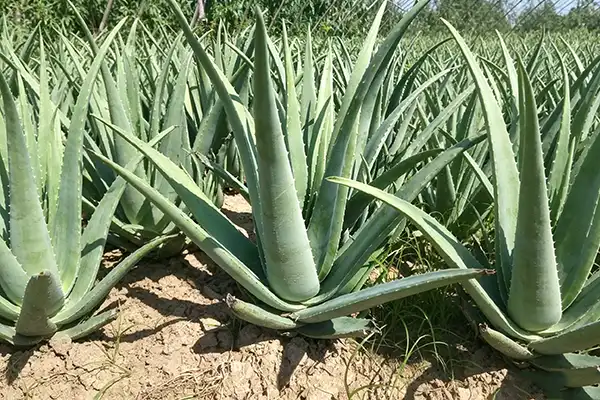
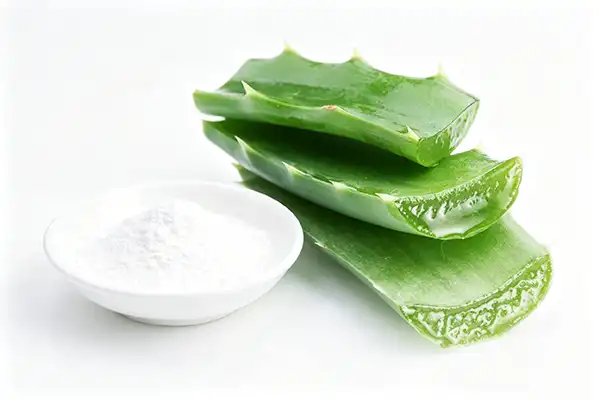
Aloe Vera Gel Powder is transforming formulation strategies across beverage, cosmetic, and supplement industries by delivering concentrated bioactive compounds in a shelf-stable, cost-efficient format. Derived from the inner parenchymal tissue of Aloe barbadensis Miller leaves through advanced freeze-drying or spray-drying processes at ratios up to 200:1, this ingredient eliminates logistical challenges associated with liquid aloe while preserving polysaccharides like acemannan, glycoproteins, and antioxidants. Manufacturers increasingly rely on this powder to meet clean-label demands, reduce transportation costs, and achieve consistent batch-to-batch performance in diverse applications.
Key Applications of Aloe Vera Gel Powder in B2B Industries
Procurement managers can find the best specifications for their product development goals by learning how this botanical extract is used in different industries. Different types of applications need different quality features and safety standards, which affects the choice of where to get materials, including high-quality Aloe Vera Gel Powder for specific formulation requirements.
Functional Beverages and Nutritional Supplements
As people look for functional hydration that goes beyond simple refreshment, the beverage industry has embraced ingredients that come from aloe. Because it contains polysaccharides, our powder mixes easily into health drinks, kombucha recipes, and smoothie bases. It also helps keep your gut healthy. The natural ingredients help keep the intestinal flora healthy and ease stomach pain, which puts the goods in the rich digestive health market. Nutraceutical supplement makers make pills and powders that help the immune system and keep the body hydrated. The acemannan content boosts the body's natural defenses, which supports health claims when backed by the right clinical study. Manufacturers like that the ingredient has a clean label because customers are becoming more careful with synthetic chemicals and want plant-based alternatives.Freeze-dried varieties are better for instant drink mixes because they dissolve quickly in cold liquids without leaving a gritty texture. Spray-dried choices are cost-effective for making a lot of things at once while still having enough bioactivity. When procurement teams choose an extraction ratio, they have to keep budgets in mind. They know that higher concentration ratios (200:1) have stronger effects but cost more.
Cosmetics and Personal Care Formulations
Skincare companies use aloe powder because it has great moisturizing and soothing qualities that are used in many types of products. The ingredient is used in facial moisturizers to make safe moisture barriers. This works especially well for skin that is dry or damaged. Because the glycoproteins lower inflammation, it is an essential part of after-sun care, treatments for sensitive skin lines, and treatments that reduce redness. Powders that are used in hair care products can coat hair shafts, which helps them hold on to moisture and prevents breakage. Conditioners and leave-in products use their film-forming abilities to make hair shine and be easier to style. The antioxidants help keep the scalp healthy by protecting it from oxidative stress and damage from the environment. Organic approval is becoming more and more important when buying cosmetics. Our certifications, such as ISO9001, FSSC22000, KOSHER, HALAL, HACCP, and FDA compliance, make sure that formulators meet the rules in all markets around the world. The process of decolorization lowers the amount of aloin to trace levels, so there are no worries about skin itching or laxative effects. This is important for use on sensitive facial skin.
Pharmaceutical and Emerging Applications
Based on clinical proof that aloe has regenerative qualities, drug companies make gels that are applied to burns and wounds to help them heal. The powder is guaranteed to be sterile through strict handling, so it can be used in medical settings where contamination risks need to be kept to a minimum. New business opportunities in pet care and veterinary nutrition are based on the idea that both are good for animals' health. Animal feed additives help their digestive systems work better, and pet vitamins help with skin and hair problems. The quality standards for these uses must be the same, but the specification ranges may be different depending on the needs of the species. There are a lot of private label opportunities because contract manufacturers are looking for reliable ingredient suppliers who can provide technical support and batch-level documentation. Because we can include full HPLC analysis results with every shipment, brands can make sure that their quality claims are always true and that they meet label declaration requirements without having to do extra testing.
How to Choose and Procure High-Quality Aloe Vera Gel Powder
To judge quality, you must first understand the key differences between high-end ingredients and cheaper alternatives. To make sure of long-term product success, procurement pros must look at more than just price.
Certification Standards and Supplier Transparency
Legitimate suppliers keep a full set of certifications that cover things like quality management systems, religious dietary compliance, and food safety. Our ISO9001 certification shows that we are committed to using consistent production processes. The FSSC22000 certification, on the other hand, handles food safety issues that are important for edible uses. Certifications like KOSHER and HALAL make it easier for brands that cater to certain groups of people to sell their products, including those using Aloe Vera Gel Powder as a botanical ingredient. Transparency with suppliers also includes how botanicals are sourced. As a partner, we work with controlled planting bases that keep a close eye on the soil quality, plant age (at least two years), and harvest time. This control upstream gets rid of the quality changes that happen a lot when buying from spot markets for commodities, where plant age and handling methods change without warning. Documentation about traceability should have batch numbers that are linked to specific harvest dates and processing runs. This lets them act quickly if there are quality issues and meets the needs of places with stricter rules, like the European Union and the United States. There are too many risks in the supply chain when suppliers won't give batch-specific Certificates of Analysis (COA) with microbial testing, heavy metal screens, and pesticide residue reports.
Comparing Processing Methods and Concentration Ratios
Freeze-drying keeps more temperature-sensitive chemicals intact, but it costs more because it needs more capital. The gentle method keeps the chemical structure intact, which is especially useful for high-end cosmetics where the bioactivity is worth the price. Spray-drying is a cost-effective way to make a lot of drinks and supplements, even if it means preserving some compounds less well because they are more sensitive to heat. Dosage standards and label claims are directly affected by concentration ratios. A 200:1 ratio turns 200 kg of fresh aloe gel concentrate into 1 kg of powder. This gives you more polysaccharides per gram than a 100:1 or 50:1 ratio. To correctly evaluate value propositions, formulators need to use cost-per-dose instead of cost-per-kilogram. Pay close attention to the details of all ingredient requirements. For cosmetic uses, ultra-low aloin (<1 ppm) is needed to keep the skin from becoming sensitive. For therapeutic uses, higher aloin ranges may be needed in pharmaceutical uses. Our flexible specifications, which range from 2.5% to 90% alone A content, can meet a wide range of application needs. However, most modern formulations prefer decolorized versions that meet safety standards.
Evaluating Supplier Capabilities for Long-Term Partnerships
Three important skills that reliable providers have are managing inventory, being able to accommodate customization requests, and providing technology support. Our ready-to-ship inventory lets us ship quickly, which is very important when product start dates can't wait for longer lead times. Sample orders and small-batch trials are possible (with a business order minimum order quantity of 25 kg), which lets R&D teams check the performance before committing to large-volume purchases. Customization goes beyond meeting standard requirements. We offer compounding services that use specific amounts or mixes of functional ingredients that are made to fit your own unique formulations. Our application laboratory helps with testing the stability of drinks, improving the recipe of gummies, checking how easy it is to squeeze tablets, and checking the compatibility of cosmetic emulsions. With this technical partnership method, ties with suppliers go from buying things one-way to working together to make things better. Geographical factors affect how resilient the supply chain is. When suppliers have more than one production facility or strategic inventory location, they cut down on transportation time and the chance of disruptions. We offer express, air, and ocean freight shipping choices to meet the needs of different types of orders, no matter how quickly they need to be delivered or how much money they have to spend.
Best Practices for Storage, Handling, and Quality Maintenance
To make sure that the integrity of the ingredients is maintained from getting them to the finished product, the surroundings and handling procedures must be carefully observed. When stored incorrectly, even high-quality ingredients lose their quality.
Environmental Controls and Packaging Integrity
Controlling upstream humidity is one of the most important things for preservation. The temperature should stay below 25°C, and the relative humidity should be less than 60% in storage areas. The powder is hygroscopic, which means it absorbs water right away when it comes into contact with damp conditions. This causes it to clump, which makes it harder to weigh accurately and spread evenly in recipes. Our 25kg drum package with vacuum closing keeps air out of the storage area as much as possible. When the drum is opened, move any leftover parts to smaller airCOAsht containers so that the whole drum doesn't have to be exposed to moisture over and over again. Putting desiccant packets inside storage bins gives them extra protection, especially in humid places or factories that don't have climate control.Some compounds break down over time when they are exposed to light. Using opaque packaging and storing it in dark places will keep the medicine effective for a long time. Small amounts of coloring may happen over the three-year shelf life, but it won't affect the product's function or safety. To keep the visual uniformity that's important for quality perception, keep light exposure to a minimum.
Manufacturing Integration and Contamination Prevention
When working with powder, it's important to be aware of the risks of cross-contamination and dust creation. Product purity and worker health are protected by gentle handling and localized exhaust ventilation near scales. Using separate tools and dishes for plant ingredients keeps them from coming into contact with allergens or ingredients that don't work well together. Procedures for reconstitution have a big effect on the quality of the final product. Instead of dumping large amounts of powder at once, which makes lumps that are hard to break, add powder slowly to liquids while moving them occasionally. Temperature is important. Slightly higher temps (40–50°C) speed up dissolution without breaking down heat-sensitive chemicals as long as the contact time is short. Complete dissolving before adding other formula components makes sure that everything is spread out evenly and stops sedimentation while the formula is being stored. Quality checks are done when the supplier's paperwork is received to make sure it is correct. Random sampling for visual inspection, testing for moisture content, and testing for solubility can find problems with ingredients before they are used in production. Suppliers that have been around for a while and have a history of good quality may need testing less often, but regular validation keeps the supply chain honest when changes happen upstream in terms of sourcing or processing.
Market Trends and Future Outlook for Aloe Vera Gel Powder
Knowing how the market works helps procurement teams guess when supplies will be available, how prices will change, and new application options that affect strategic sourcing choices.
Consumer Demand Shifts Driving Ingredient Innovation
Clean-label tastes are still growing quickly across all three main types of applications. People carefully read ingredient lists and choose plant extracts over manufactured ones even when the two are functionally equivalent. This demand based on perception makes premium positioning possible for brands that highlight where their natural ingredients come from in their marketing, such as Aloe Vera Gel Powder sourced from recognizable botanical origins. Sustainability factors affect buying choices at both the customer and the supplier levels. More and more, brands want to know about how much water is used, how farming is done, and how much carbon dioxide is released when ingredients are made. Suppliers that show they care about the environment by getting certifications or clear reporting have an edge over their competitors. This is especially true for European and North American brands that are under pressure from stakeholders to make their supply chains more sustainable. Manufacturers are looking for ways to simplify their ingredient lists and make formulations less complicated. This means that ingredients that can do more than one thing are becoming more popular. Our powder is better than single-function options because it moisturizes, soothes, protects against free radicals, and boosts the immune system all at the same time. This saves money and backs up marketing promises about all-around benefits...
Technological Advances Improving Quality and Applications
Improvements to extraction technology make compounds last longer and be more pure. Advanced membrane filtration gets rid of u nwanted parts and concentrates good polysaccharides better than older methods. These improvements allow for a higher level of consistency of bioactive markers. This supports more exact formulation and consistent product performance, which builds trust among customers by giving them trustworthy experiences.Improvements in analytical methods, especially in HPLC methods, make it possible to profile compounds in more detail. This analytical precision lets you specify exact ranges of polysaccharide molecular weights and antioxidant profiles. This supports health claims based on specific bioactive markers rather than the presence of generic ingredients. Using thorough compound data and science-based marketing, brands can set their goods apart in crowded markets.Microencapsulation technologies that are still being worked on could make powders work better in tough situations. Encapsulated versions may offer controlled release in stomach vitamins or better stability in systems for acidic drinks, which means they can be used in more situations than is currently possible with current technology.
Strategic Sourcing Considerations for Procurement Teams
As the global supply chain changes, buying tactics need to adapt too. Regional diversification makes it less important to rely on a single supplier that could be affected by problems in a certain area. Our long history of making and ability to handle inventory give us security during times of supply volatility in the commodity botanical markets.Regulatory environments are always changing, especially when it comes to the needs for standards and safety paperwork. Suppliers who stay up to date on USP and EP standards make the process of getting new drugs approved easier and lower regulatory risks. By telling people ahead of time about changes to regulations that affect specs or paperwork needs, you can avoid costly production delays or the need to re-create products.Approaches based on long-term partnerships work better than ones based on one-time purchases. If your suppliers know about your prwhat oduct plan, they can prewill what you'll need, suggest new ideas, and help you get what you need when supplies are low. When people work together and share their technical knowledge, they can create competitive advantages through formulation optimization and problem-solving that can't be matched by just buying goods.
Conclusion
Aloe concentrate can be used in a lot of di,fferent products, like drinks, cosmetics, and supplements. This is because it has a unique mix of bioactive compounds, is easy to process, and looks good on the label, which is what the market want s right now. Many manufacturers also choose Aloe Vera Gel Powder as a convenient ingredient format because it offers easier storage, transportation, and formulation flexibility while maintaining the desired aloe properties. Instead of just comparing prices, procurement professionals should look at quality indicators such as a supplier's portfolio of certifications, processing methods, level of transparency, and technical support capabilities. Knowing the right way to handle, store, and mix ingredients will help them work better and keep you from having expensive quality problems. Sustainability, multifunctionality, and stricter regulations are all market trends that will continue to shape buying strategies, favoring sellers who can do more than just supply ingredients.
FAQ
How does Aloe Vera Gel Powder differ from aloe vera juice in formulation?
The powder form gets rid of the water weight, which cuts shipping costs by about 95% and increases the shelf life from a few weeks to three years. Formulators can get the exact concentrations they need for different uses with reconstitution flexibility, but not with juice concentration. Microbial stability gets a lot better because low wetness content stops bacteria from growing, which quickly breaks down liquid forms.
What potential side effects should manufacturers consider?
When used in the right amounts, properly decolorized powder with less than 1 ppm of aloin poses almost no risk when applied topically or internally. Specification checking is very important because high-aloin varieties may cause digestive problems or make you go to the bathroom a lot. Even though they are rare, allergic responses can still happen, which is why allergen warnings are always put on signs that people can see.
How can buyers verify quality before large purchases?
Ask for lab tests on small amounts of samples to make sure that the supplier's promises about the polysaccharide content, aloin levels, and microbe specs are true. Testing for solubility, measuring pH, and comparing look to specs are quick ways to tell if something is of good quality. Suppliers who are ready to give batch-specific COAs along with HPLC data show that they are honest and confident in the quality of their work.
Partner with KH for Premium Aloe Vera Gel Powder Supply
KH (Kingherbs Limited) offers high-quality botanical ingredients and has been making them since 1996, which is almost 30 years of experience. Our Aloe Vera Gel Powder comes from mature Aloe barbadensis Miller plants and goes through strict quality control from the seed to shipment. This makes sure that the bioactive content stays the same and allows for full tracking. We only use pure water or drinkable ethanol for extraction, never any dangerous solvents. This gives us powder that is very pure and dissolves quickly. Certifications like ISO9001, FSSC22000, KOSHER, HALAL, HACCP, and FDA compliance make sure that all application types meet global legal standards.Our application laboratory helps you make the best drinks, tablets, gummies, and skin care products by improving the formulation. We are more than just a supplier of Aloe Vera Gel Powder; we are also your technical partner. We can take sample orders, which let you try our products without any risk before making a full purchase, and we keep a lot of them in stock, so normal specs can be delivered within 3–5 business days. Custom compounding solutions provide precise ratios that are made to fit unique formulations. They are backed up by thorough HPLC analysis reports that show the component profiles for every batch. Get in touch with our team at info@kingherbs.com to talk about your unique needs and see the difference in quality that comes from having tight control over the whole supply chain.
References
1. Hamman, J.H. (2008). "Composition and Applications of Aloe vera Leaf Gel." Molecules, 13(8), 1599-1616.
2. Reynolds, T. & Dweck, A.C. (1999). "Aloe vera leaf gel: a review update." Journal of Ethnopharmacology, 68(1-3), 3-37.
3. Surjushe, A., Vasani, R., & Saple, D.G. (2008). "Aloe Vera: A Short Review." Indian Journal of Dermatology, 53(4), 163-166.
4. Eshun, K. & He, Q. (2004). "Aloe Vera: A Valuable Ingredient for the Food, Pharmaceutical and Cosmetic Industries—A Review." Critical Reviews in Food Science and Nutrition, 44(2), 91-96.
5. Yagi, A. & Takeo, S. (2003). "Anti-inflammatory Constituents, Aloesin and Aloemannan in Aloe Species and Effects of Tanshinon VI in Salvia miltiorrhiza on Heart." Yakugaku Zasshi, 123(7), 517-532.
6. Femenia, A., Sánchez, E.S., Simal, S., & Rosselló, C. (1999). "Compositional Features of Polysaccharides from Aloe Vera (Aloe barbadensis Miller) Plant Tissues." Carbohydrate Polymers, 39(2), 109-117.
Send Inquiry
Related Industry Knowledge
- Aloe Vera Gel Powder Applications: Drinks, Cosmetics, and Supplements
- Where to buy organic nettle extract powder?
- Can Tongkat Ali Extract Powder Reduce Stress and Cortisol Levels?
- Harnessing the Power of Rose Hip Extract Powder for Wellness
- Olive Extract Powder vs Olive Oil: What’s the Difference?
- How Wild Yam Extract Powder Helps Maintain Body Balance
- Is Couch Grass Rhizome Extract Safe and Effective?
- What Is Isatis Root Extract? Uses and Functions
- Is Watermelon Powder Suitable for Vegan Products?
- Polygonum Cuspidatum Extract: Bioactive Compounds and Benefits