_1762508637542.webp)
Why Choose Natural Ferulic Acid for Antioxidant Formulas?
Sep 16, 2026
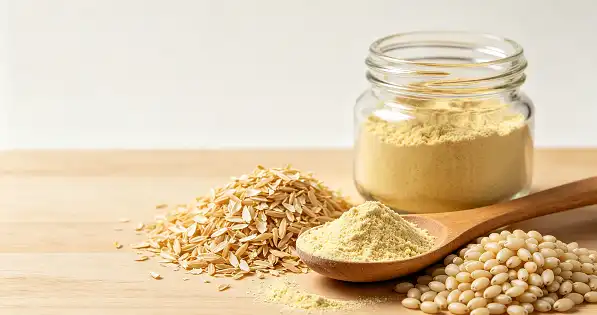
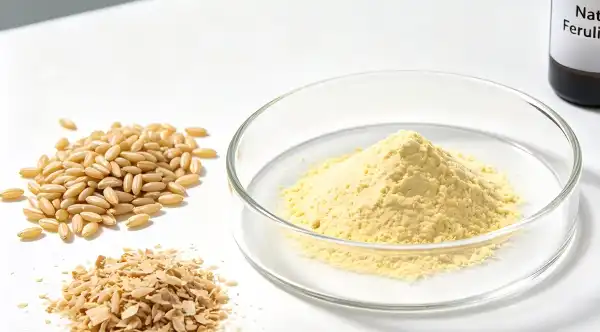
Natural ferulic acid has emerged as a cornerstone ingredient for formulators developing high-performance antioxidant products. Sourced from botanical materials such as rice bran and wheat, this plant-derived phenolic compound delivers exceptional free-radical neutralization, UV protection, and synergistic stability when paired with other actives. For procurement managers and R&D directors seeking reliable, clean-label ingredients that meet stringent quality standards, natural ferulic acid offers a proven solution that balances efficacy, safety, and marketability in dietary supplements, cosmeceuticals, and functional foods.
Natural Ferulic Acid vs. Synthetic and Other Antioxidants: A Comparative Analysis
Distinguishing Natural from Synthetic Variants
With high-performance liquid chromatography (HPLC), the purity spots on natural and man-made Natural Ferulic Acid may look the same. However, radiocarbon dating is the only way to be sure of where they came from. For example, synthetics made from petrochemicals don't have any bio-based carbon, but natural ones do. If a brand wants to market itself as having clean labels and get organic certifications, this difference is important. When vanillin and malonic acid are mixed, they can leave behind solvents such as methanol or toluene. This is how synthetic Natural Ferulic Acid is made. These liquids have to be checked using gas chromatography (GC) to make sure they don't go over the limits set by ICH Q3C. This makes quality control harder. These worries go away when businesses use water or food-grade ethanol for natural extraction. This makes it easy for them to follow the rules and talk to customers.
Synergistic Performance with Vitamin C and Vitamin E
By donating electrons to L-ascorbic acid and tocopherol that have been harmed by oxygen, Natural Ferulic Acid serves as a "sacrificial antioxidant." Over time, oxidation tears down vitamin C goods very quickly. This process makes them last longer. Researchers who looked at how stable different serums were found that those with Natural Ferulic Acid kept the vitamin C strength for six months longer than those without this binder. Natural Ferulic Acid works to slow down aging in a way similar to retinol, but it doesn't irritate or make the skin photosensitive. It's a better choice for everyday products and lines for sensitive skin because of this. Adding antioxidants to Natural Ferulic Acid makes photoprotection better. It has been shown that this mix is eight times better at protecting against sun damage than vitamin C alone.
Advantages for Sensitive Skin Formulations
Because of its gentle appearance, Natural Ferulic Acid works well in products for sensitive skin where other actives are too strong. Blocking nuclear factor-kappa B (NF-κB) pathways makes inflammation go down, and alpha hydroxy acids quickly get rid of dead skin cells. Because it can lessen the redness that UV light causes, it is useful in creams that help people heal after surgery and ones that treat rosacea. The ingredient works with hyaluronic acid, peptides, and niacinamide, so it can be used to make full treatment methods that don't have any bad affects. This lets people who make skin care products use the same recipe to treat a number of skin issues without risk.
Procurement Insights: How to Source High-Quality Natural Ferulic Acid
Evaluating Supplier Credentials and Certifications
People who buy from other businesses (B2B) must choose suppliers that can show they can track their products from the seed to the finished product. Companies you can trust work with approved plant bases to make sure the active ingredients are always the same. To do this, they decide what kinds of crops are grown, how good the land is, and when the crops are picked. Certificates of Analysis (CoA) should say if the extract was made with food-safe ethanol or pure water and that there were no harmful solvents present. Real ingredients are those that are certified organic by the USDA orwater-EU, cosmetic-grade, or meet pharmacopeial standards set by the USP or the EP. If sellers give buyers HPLC test results with component spectra, buyers can see if the purity is higher than 99.0% and look for possible leftovers of synthesis, such as vanillin that hasn't been reacting yet. This helps buyers tell the difference between natural and man-made sources.
Pricing Trends and Bulk Purchase Strategies
Natural Ferulic Acid is typically more expensive than synthetic alternatives but is supported by clean label fees due to the difficulty of extraction and the quality of the raw materials. If you buy a lot from a well-known company, you can often get deals that lower the price per kilogram and keep the supply chain stable. Managers of procurement should talk about how samples will be sent. It is best to get analysis samples within three to five business days for quick recipe trials. Before making a big deal, R&D teams can use small-batch trial orders to see how well an item works. Suppliers who can offer compounded solutions or change ratios add value beyond just giving basic ingredients. This helps businesses stand out in markets where competition is high.
Building Reliable Supply Chain Partnerships
You can get Natural Ferulic Acid from makers whose production capacity can be increased and whose inventory is always being kept track of. Providers who keep raw materials in stock cut down on lead times and production so they don't have to wait for new goods or changes to old ones. It's easier to make custom recipes when you can do OEM and ODM. This is especially helpful for contract manufactureffects work with more than one name. Suppliers become key partners when they do more than just send ingredients and offer expert help as well. This help can come in the form of application lab access, help with compounding, and stability testing. Brands can use these partnerships to fix problems with formulation, find the best concentration levels, and fix issues like color or solubility that may come up while the product is being made.
Application of Natural Ferulic Acid in Antioxidant Formulations
Optimal Concentration Ranges for Diverse Applications
Natural Ferulic Acid levels between 0.5% and 1% work best for cosmetics that are put on the skin. Most serums that fight aging and light spots usually have 1.0% vitamin C and vitamin E in them to protect against damage from free radicals. 0.5% Natural Ferulic Acid is added to sunscreens to make them work better as an SPF and lessen the damage caused by the sun. Concentrations of 0.3% to 0.5% are good for hair care products because they protect keratin structures from damage caused by heat styling and pressure from the outside. Natural fermentation is used as a natural preservative in dietary supplements and functional foods in smaller amounts (0.1% to 0.3%). By stopping lipid breakdown, they keep the food fresher for longer. Costs stay low and practical usefulness stays high when dosing is done correctly. This way, the cost of the ingredients matches their real benefits for customers.
Compatibility and Stability Considerations
Natural Ferulic Acid works best in settings that are slightly acidic (pH 3.0–3.5). If a substance doesn't mix well with water, formulators should first mix it with propanediol, ethoxydiglycol, or ethanol and then add it to water. When you heat liquids to 40–50°C, they dissolve faster while still being bioactive. Plant products, peptides, ceramides, and niacinamide can all be put together to make more complicated forms. When metal ions mix, though, color changes happen. To stop this, chelating agents like disodium EDTA need to be added. When you use a nitrogen layer during production, oxygen is taken away. This slows down oxidative decay. For as long as they are on the market, these technical problems make sure that methods stay clear, useful, and customer-friendly.
Storage and Packaging Recommendations
You need to be very careful about how you store and package Natural Ferulic Acid if you want it to keep its healing properties. Bulk powder should be kept below 25°C in containers that keep air out and out of direct sunlight so that it doesn't break down and clump together. When the recipe is done, it works better in airless pump devices and clear bottles that block UV light. When security isn't strong enough, the colors can turn yellow or pink. This keeps them from being that way. If the color changes, pH changes, or active ingredient stays the same over six to twelve months at a faster rate (40°C, 75% relative humidity), it means the product is stable. Microbes can't grow if the loss on drying (LOD) level is less than 0.5%, and mineral contamination is kept to a minimum if the residue on ignition level is less than 0.1%. These quality control steps make sure that the product is honest from the time it is made until a customer uses it.
Why Natural Ferulic Acid Is the Preferred Choice for B2B Clients
Clinical Validation and Market Demand
Natural Ferulic Acid works, as shown by studies that have been reviewed by experts in the field. It improves the structure, color, and defense against the sun of the skin. Clinical studies show that fine lines and age spots get less noticeable after eight weeks of regular use. This lets brands make marketing claims that can be backed up by proof. As more people learn about clean beauty products, they choose antioxidants from plants over ones made in a lab. This gives businesses that use Natural Ferulic Acid more chances to make money. The fact that the ingredient fits with stories about sustainability (renewable sources, low impact on the environment) makes the brand more popular in markets that care about fair production. When B2B clients use these environmental and clinical features to make their product lines stand out, they can charge more because their products are clearer and work better.
Cost-Effectiveness and Supply Chain Reliability
Natural Ferulic Acid initially costs more than manufactured forms, but because it can be used for multiple purposes, the cost of formulation is reduced total. Since it can fix vitamin C, it doesn't need complicated ways to get it to the body or extra stabilizers, which means that ingredient lists are shorter. Antioxidants keep food fresh longer, which means less waste from old stock and better business efficiency. Manufacturers can stick to their plans even when supplies are cut off if their suppliers have a lot of different ways to get what they need. The pros of Natural Ferulic Acid outweigh the cons. It doesn't need to be modified as often, the product stays stable for longer, and it can be sold for more because the label is clearly written.
Brand Credibility Through Certified Ingredients
In a market where people are becoming less trusting, working with certified suppliers of Natural Ferulic Acid makes a brand more reliable. Verifications by a third party, such as organic licenses, non-GMO confirmations, and cruelty-free signs, show that claims of quality are true. People who are willing to pay more for natural ingredients that have been shown to be healthy like marketing strategies that stress being open and able to be tracked. It's helpful to be able to tell stories about where materials come from, from specific growing grounds to finished goods. This helps customers understand where materials come from. Being real makes people loyal and helps brands stand out in markets that are already full of fake options that are popular because they're cheap but don't make smart buyers trust them.
Conclusion
Natural Ferulic Acid is an important part of the next generation of antioxidant products that buyers and formulators are making. Because it lowers free radicals, keeps complementary actives stable, and protects against photodamage, it can be used in cosmetics, dietary supplements, and functional foods. The botanical extraction method makes sure that the product meets the standards for both clean labels and organic certification. This is in line with how consumers want more and more openness. By buying from suppliers that can be fully tracked, offer expert help, and ensure consistent quality, brands can make their goods stand out while keeping costs low. Natural Ferulic Acid is a great choice for companies that want to be the best and be good for the environment. This is because natural ingredients that have been shown to work in clinical studies are becoming more popular.
FAQ
How can I distinguish between the natural total cost of formulation is reducedboratory?
Even if HPLC analysis shows the same purity lines, the only way to be sure that two samples are different is to do radiocarbon dating (C14 analysis). While manufactured forms made from petrochemicals have 0% bio-based carbon, Natural Ferulic Acid has 100% bio-based carbon. This test makes sure that the ingredients are real for brands that want to get clean label approvals.
What is the recommended method for dissolving natural ferulic acid in water-based serums?
Since Natural Ferulic Acid doesn't mix well with water, it needs to be mixed with a different liquid first, like propanediol, ethoxydiglycol, or ethanol. Increasing the temperature of the solution to 40–50°C and lowering its pH to 3.0–3.5 makes it more stable and soluble, which makes sure that it is spread out evenly in water-based mixtures.
Why do formulations containing natural ferulic acid sometimes change color over time?
Most of the time, discoloration is due to oxidation or reactions between metal ions. Some good ways to keep a product's color from changing over time are to use chelating agents like disodium EDTA, cover the production area in nitrogen, and package it in a way that keeps air out.
Partner with KH for Premium Natural Ferulic Acid Supply
Since 1996, KH has been making high-quality plant-based ingredients. There is proof that their Natural Ferulic Acid comes from growing grounds, and it is possible to trace it all the way back to the plant. During the separation process, we only use clean water or ethanol that is safe for food. This makes sure that there are no solvents in the clarity and that it meets USP and EP specs. You can be sure that the quality of your formulations is high because there are detailed HPLC analysis reports and batch-level documentation for each batch. Our application laboratory not only provides materials, but also helps with formulating, mixing, and testing drinks, sweets, tablets, and skin care items to make sure they are stable. KH can help you quickly and within your production plan, whether you need small samples sent within three to five business days or ratios that are made just for you. Get in touch with us at info@kingherbs.com to talk about your Natural Ferulic Acid needs and learn why makers from all over the world choose KH as their Natural Ferulic Acid provider.
References
1. Mancuso C, Santangelo R. Ferulic acid: pharmacological and toxicological aspects. Food and Chemical Toxicology. 2014;65:185-195.
2. Saija A, Tomaino A, Trombetta D, et al. In vitro and in vivo evaluation of caffeic and ferulic acids as topical photoprotective agents. International Journal of Pharmaceutics. 2000;199(1):39-47.
3. Lin FH, Lin JY, Gupta RD, et al. Ferulic acid stabilizes a solution of vitamins C and E and doubles its photoprotection of skin. Journal of Investigative Dermatology. 2005;125(4):826-832.
4. Kikuzaki H, Hisamoto M, Hirose K, et al. Antioxidant properties of ferulic acid and its related compounds. Journal of Agricultural and Food Chemistry. 2002;50(7):2161-2168.
5. Graf E. Antioxidant potential of ferulic acid. Free Radical Biology and Medicine. 1992;13(4):435-448.
6. Srinivasan M, Sudhmake R, Menon VP. Ferulic acid: therapeutic through its antioxidant properties. Journal of Clinical Biochemistry and Nutrition. 2007;40(2):92-100.
Send Inquiry
Related Industry Knowledge
- Is Rice Bran Extract the Next Breakthrough in Nutrition?
- Nettle Extract Powder Benefits for Functional Formulations
- Can Rose Hip Extract Powder Help Improve Skin Elasticity?
- 5 Ways in Which Bamboo Extract Improves Our Wellbeing
- Can Artemisinin Powder Outperform Artemisinin-B in Pharma Supply?
- Why Add Watermelon Powder to Functional Beverages?
- High-Potency Mulberry Leaf Extract Powder for Supplements
- Vine Tea Extract vs Other Herbal Antioxidants: What Sets It Apart?
- White Paeony Extract Powder for Pharmaceutical & Cosmetic Uses
- Can Lespedeza Capitata Extract Promote Healthy Fluid Balance?