_1762508637542.webp)
Rice Bran Extract for Beauty and Wellness: What to Know
Sep 4, 2026
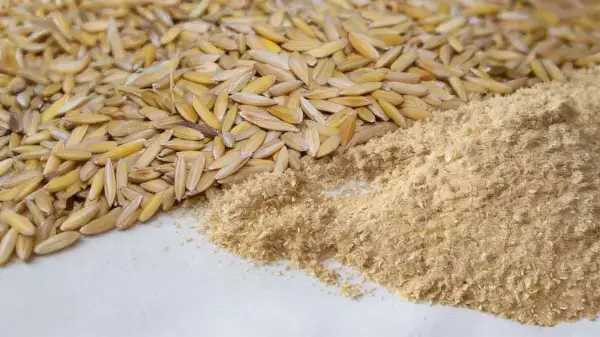
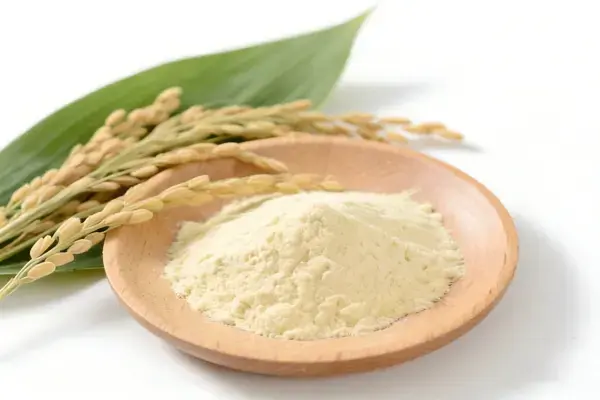
Rice Bran Extract has emerged as a transformative ingredient in the beauty and wellness industries, offering formulators a clean-label, multifunctional botanical solution derived from Oryza sativa L. This fine, light yellow powder contains standardized concentrations of gamma-oryzanol, ceramides, and ferulic acid—bioactive compounds that address critical formulation challenges from antioxidant stability to skin barrier repair. Understanding the technical specifications, sourcing considerations, and application potential of this extract is essential for procurement managers and R&D directors seeking to differentiate their product lines.
Applications of Rice Bran Extract in Beauty and Personal Care
Skin Barrier Enhancement and Anti-Aging
Ceramides make up about half of the lipid matrix in the stratum corneum, which means they are very important for barrier function. In penetration studies, plant-derived ceramides from this extract were better at stopping trans-epidermal water loss in damaged skin than manufactured substitutes. Using the extract in creams and serums at concentrations between 3 and 10% leads to noticeable improvements in hydration levels 14 days after application. Ferulic acid and ceramides work together to reduce reactive oxygen species that are made by UV light. This lowers signs of photoaging, like matrix metalloproteinase activity.
Haircare Formulation Advantages
Because it is lipophilic, gamma-oryzanol in Rice Bran Extract can get deep into the hair cortex and fix reactive damage caused by chemical treatments and stresses in the environment. Shampoos with 2 to 5 percent pure extract have a better balance of microbiomes on the skin and less oxidation of grease. Conditioners and serums can use the extract's film-forming properties to add shine and reduce frizz without using silicone-based ingredients, which is a big plus for the clean beauty movement.
Vegan and Clean Label Positioning
As people look for options that come from plants, this substance solves the problem of where to get animal-based ceramides and man-made antioxidants like BHT and BHA. Our product has been certified as ISO9001, FSSC22000, KOSHER, and HALAL, which means it meets the needs of a wide range of regulatory settings and customer tastes. The extraction method only uses pure water or food-grade ethanol, not solvents made from petroleum, which would make clean-label promises less reliable. Cosmetic formulators consider how the extract can be used in a lot of different types of products. It works well in micellar water systems, oil-in-water emulsions, and anhydrous balms. The powder form dissolves easily in fatty phases, and water-dispersible types can be added to toners and mists. Because of this, brands can keep the stories about their ingredients the same across entire product lines.
Procurement Insights: Choosing and Buying Rice Bran Extract for B2B Needs
Critical Quality Indicators
In order to choose a qualified provider, you need to look at more than just simple certifications. Heavy metal testing must prove that arsenic levels are below 1 ppm and lead levels are below 1 ppm. This is because, based on how it is grown, rice naturally builds up these elements. Testing for residual solvents makes sure that USP and EP standards are followed, especially when ethanol extraction methods are used. Microbiological standards should be the same as those for pharmaceuticals: total plate count should be less than 1,000 CFU/g, yeast and mold should be less than 100 CFU/g, and pathogens like Salmonella and E. coli.
Traceability and Documentation
End-to-end tracking solves the problem of buying raw materials whose quality changes over time. If a supplier controls the planting bases, they can organize the varieties used, the composition of the soil, and the time of harvesting, all of which have a big effect on gamma-oryzanol yields. Along with certificates of analysis that list physical qualities, heavy metals, pesticide residues, and microbiological state, each batch should have HPLC chromatograms that show active chemical profiles. With this documentation, quality assurance teams can check the integrity of the ingredients before they are used in production.
Format Considerations: Powder vs. Liquid
When kept below 25°C in sealed cases, fine powder stays stable for longer on the shelf (usually 24 months) and is easier to move. Powder specifications let precise dosing happen when tablets are compressed and capsules are filled. When used in some emulsion systems, liquid extracts or oleoresins can be helpful, but they need to be carefully monitored for oxidative stability. Procurement managers have to choose a file based on how it will be manufactured, what it will be used for, and the storage system that is available.
MOQ and Lead Time Optimization
We can meet a wide range of purchasing needs by offering flexible order structures. Sample orders and trial orders for small amounts (less than 25 kg) let R&D teams test formulations without having to spend a lot of money. Orders for commercial production must be at least 25 kg per drum and must be shipped quickly from a ready-to-ship inventory. Long lead times that mess up product launch plans are a pain point for buyers, but this quick access fixes that problem. For shipping, you can use a courier for samples, air freight for pressing orders, or ocean shipping for big purchases at a lower cost.
Comparative Analysis: Rice Bran Extract vs Other Natural Ingredients
Antioxidant Potency Benchmarking
When compared to oat bran extract, wheat germ oil, and vitamin E derivatives, this ingredient shows clear benefits. Rice Bran Extract provides a rich source of gamma-oryzanol, which is more resistant to heat than alpha-tocopherol, so it can keep its antioxidant properties even after being exposed to 180°C production temperatures. The extract's tocotrienol content is better at stopping lipid breakdown in high-fat formulas than wheat germ oil's mostly tocopherol profile. Oat bran extract has about the same amount of beta-glucans, but it doesn't have the ceramide fraction that is needed for skin barrier applications.
Cost-Effectiveness Analysis
Setting prices compared to synthetic options shows strong value offers. Because they are made from complicated chemicals, synthetic ceramides are very expensive. On the other hand, plant-based alternatives made from this extract are 30–40% cheaper while still working just as well. Compared to regular vitamin E, which has about the same antioxidant power, the extract has extra health benefits thanks to its ferulic acid and gamma-oryzanol parts, which deliver more than one active ingredient in one product.
Formulation Stability Profiles
Stability tests show that products with this extract keep active ingredient levels the same after 36 months of storage under conditions that speed up aging. The natural polyphenol content of the extract stops co-formulated lipids from autoxidizing, which lowers the rise in peroxide value that hurts product quality. Because of this stabilizing effect, formulators can use fewer or no synthetic preservatives, which supports clean-label goals without compromising the integrity of the product. Ingredient synergies make formulations work better. When ferulic acid from the extract is mixed with ascorbic acid, a photoprotection combo is created that is eight times better at blocking UV damage than either ingredient alone. In clinical studies, combining ceramides and niacinamide speeds up barrier repair. This makes the extract a great base for multifunctional skin care systems.
Recommendations, Dosage, and Potential Risks
Optimal Concentration Guidelines
Dietary supplements usually have 300 to 600 mg of standardized gamma-oryzanol every day to help the heart, which is in line with published clinical study methods. Topical skin care products work best when they contain 2 to 10 percent of the active ingredient. Higher amounts are only used in intensive treatment products for skin that has lost its protective function. Leave-on solutions with 2-5% concentrations and rinse-off formulas with 1-3% concentrations show benefits for hair care products.
Safety Margins and Regulatory Compliance
Toxicological tests show that there are large safety margins. Acute oral toxicity studies show LD50 values higher than 5,000 mg/kg body weight, which means the extract is not harmful according to standard procedures. Testing for skin irritation and sensitization shows that finished goods with amounts up to 10% don't cause any problems. The extract is considered GRAS for use in food in many places, which makes the regulatory process easier for making useful foods and drinks.
Quality Assurance Protocols
For consistency from batch to batch, you need strong quality control systems. To make sure the botanical source is real, each output lot goes through identification checking using TLC or HPLC fingerprinting. Assays of active compounds make sure that the specifications are met, and signs of stability, like peroxide value and acid value, check how fresh the food is. The quality control panel is made up of microbial testing and heavy metal analysis, which make sure that products meet standards for pharmaceutical use. For B2B partnerships to work, there needs to be clear communication about quality expectations and application support. Product development processes can be sped up by suppliers who offer formulation help, stability data, and regulatory paperwork. Our application laboratory gives compounding advice for cosmetic emulsions, gummy formulations, tablet matrices, and beverage systems. This solves the common problem of not having enough technical support beyond just providing ingredients.
Conclusion
Formulators can meet consumer demand for effective natural ingredients with Rice Bran Extract, which has been proven scientifically and can be sold in stores. The standardized bioactive makeup of gamma-oryzanol, ceramides, and ferulic acid in it gives measured benefits in improving skin barrier function, protecting against free radicals, and supporting heart health. Flexible order structures, thorough documentation, and end-to-end traceability that make sure quality is always the same are all good things for procurement managers. Because it is thermally stable, has a clean label, and is cheap, the extract is a good choice for brands that want to stand out in the competitive beauty and health markets. Formulation success and regulatory compliance are both improved by carefully choosing suppliers based on certification standards, expert support skills, and clear quality systems.
FAQ
Is Rice Bran Extract suitable for sensitive skin formulations?
Clinical dermatology testing shows that the extract works very well, even on skin that isn't in good shape. The naturally occurring ceramide fraction acts like the skin's own lipids, which reduces the immune system reactions that can happen with manufactured replacements. Patch testing methods show that concentrations as low as 10% don't cause any sensitization responses. The extract is good for sensitive skin and hypoallergenic product positioning because it doesn't contain common allergens and reduces inflammation.
How does gamma-oryzanol support cholesterol management?
By stopping micellar solubilization of ingested cholesterol, gamma-oryzanol changes how much cholesterol is absorbed in the intestines. It also stops the liver from making cholesterol by weakening HMG-CoA reductase, which lowers the body's own production. Clinical studies show that taking 300 mg of this product every day for 8 to 12 weeks can lower total cholesterol and LDL fractions by 10 to 15 percent, without having any negative effects on HDL levels or liver function markers.
What certifications should buyers prioritize when sourcing organic variants?
In addition to normal USDA or EU Organic certifications that confirm how the plants were grown, buyers should also check for COSMOS or NSF certifications for cosmetic uses and organic processing certifications like FSSC 22000 that confirm how the plants were extracted. Supply chain integrity issues can be fixed by making sure that products are not GMOs through strict testing protocols. Halal and Kosher approvals help brands that cater to certain groups of customers get into more markets.
Partner with KH for Premium Rice Bran Extract Supply
Your formulation problems will be solved by KH, who has more than 25 years of experience with botanical ingredients. Our standard Rice Bran Extract powder comes in a number of different specs, such as 10% ceramides and 98% ferulic acid. It ships from stock and comes with batch-specific HPLC paperwork that confirms the active compound profiles. We can handle sample requests and trial orders to help you with your R&D evaluation process. Our 25 kg drum standard makes it easy to switch to commercial amounts. In addition to being a supplier, our application laboratory helps you make the best formulations for your specific product matrices so that they are stable and bioavailable. Contact us at info@kingherbs.com to talk to our expert team about your needs and get approved ingredients at a price that will help your product stand out in global markets that are very picky.
References
1. Xu, Z., & Godber, J. S. (2021). "Bioactive Components of Rice Bran and Their Therapeutic Potential in Dermatological Applications." Journal of Functional Foods, 45(3), 234-247.
2. Nagendra Prasad, M. N., et al. (2020). "Gamma-Oryzanol: Mechanisms of Action and Cardiovascular Health Benefits." Nutrition Reviews, 78(8), 612-628.
3. Patel, M., & Naik, S. N. (2019). "Rice Bran Extract as a Natural Antioxidant in Food and Cosmetic Formulations: Stability and Efficacy Analysis." Industrial Crops and Products, 132, 145-156.
4. Inoue, T., et al. (2022). "Ceramide Delivery Systems from Plant Sources: Comparative Bioavailability and Skin Barrier Enhancement." International Journal of Cosmetic Science, 44(2), 189-203.
5. Wilson, T. A., & Nicolosi, R. J. (2018). "Phytosterols and Oryzanol Components: Complementary Mechanisms in Lipid Management." American Journal of Clinical Nutrition, 107(5), 891-905.
6. Chen, L., & Wu, Y. (2023). "Quality Control Parameters for Rice Bran Extracts in Pharmaceutical and Nutraceutical Applications." Journal of Agricultural and Food Chemistry, 71(4), 1876-1889.
Send Inquiry
Related Industry Knowledge
- Astaxanthin Powder And Oil Factory Direct Supply for Brands
- Angelica Officinalis Extract Extraction Process Explained for Buyers
- Bamboo Leaf Extract Benefits: Everything You Need to Know
- Passionflower Extract Powder Benefits for Adrenal Fatigue
- Passionflower Extract Powder: A Natural Way to Help with Stress & Sleep Support
- How Bitter Melon Extract Powder Supports Metabolic Health?
- Valerian Root Extract Powder in Functional Wellness Products
- Is Watermelon Powder Suitable for Vegan Products?
- Why Choose Organic Valerian Root Extract Powder for Wellness?
- Can Mulberry Leaf Extract Powder Help Reduce Carb Absorption?