_1762508637542.webp)
Mangosteen Extract Powder Buying Guide: Quality and Price
Aug 28, 2026
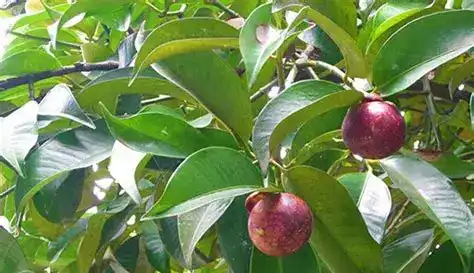
The high-quality Mangosteen Extract Powder sourcing is about finding the right balance between the potency of active compounds, cost-effectiveness, and the dependability of the provider. Garcinia mangostana L. is a high-quality botanical ingredient providing standardised xanthone chemicals, mainly α-mangostin, that conform to stringent criteria for use in nutritional supplements, cosmetics and functional meals. Knowledgeable procurement managers can ensure a steady source of raw materials and optimise budget allocation by understanding purity grades, certification prerequisites and price patterns. It highlights the essential quality standards, market price trends, and supplier selection factors to be considered by B2B customers in the nutraceutical, pharmaceutical, and personal care sectors.
Key Quality Criteria When Buying Mangosteen Extract Powder
To choose the right Mangosteen Extract Powder, you need to carefully look at a number of quality factors. Standardized active content, certification credentials, and contaminant screening results should be more important than price alone when making purchasing decisions. These things have a direct effect on how well the recipe works, how well it is accepted by regulators, and how safe it is for consumers.
Purity Levels and Active Compound Concentrations
On the specification sheets, it must be made clear that the α-mangostin amount has been checked using HPLC analysis. High-purity Mangosteen Extract Powder standardized to 50–90% α-mangostin works well in dietary supplements that need to make strong antioxidant claims. On the other hand, 10–30% specifications work well in cosmetics where synergistic compound profiles help the product get deeper into the skin. Full-spectrum phytochemical profiles are found in ratio extracts, which are good for holistic health items. Instead of taking specification ranges without checking them, ask for Certificates of Analysis (COA) that show the real test results.
Essential Certifications and Compliance Standards
Certifications show that the product is made well and follows the rules. ISO9001 verifies methods for managing quality, and FSSC22000 verifies rules for keeping food safe. Certifications like KOSHER and HALAL make markets more open to a wider range of consumers. HACCP approval means that danger analysis is used throughout the whole production process. FDA registration gives U.S. buyers peace of mind about facility oversight. For organic certificates to be given, it must be proven that the raw materials were grown without using synthetic poisons. When making goods for regulated markets, these qualifications lower the risk of not following the rules.
Third-Party Testing and Quality Assurance
In addition to COAs from the seller, testing by a third party provides neutral confirmation. Heavy metals like lead, arsenic, cadmium, and mercury, as well as chemical residues and microbe limits like total plate count, yeast, mold, and pathogens, should all be checked for. Shelf-life performance can be predicted by testing stability under accelerated conditions. Batch-level documentation makes it possible to track materials from where they are made to where they are used in finished products. This meets audit requirements and meets the growing demand for supply chain transparency by retailers and end consumers.
Packaging Considerations for Quality Preservation
Using the right package keeps things from absorbing water and breaking down due to oxidation. To keep the powder's quality, professional providers use multi-layer metal foil bags inside fiber drums that can hold about 25 kg. Nitrogen flushing gets rid of oxygen before sealing, which keeps food fresh for longer than 24 months when kept below 25°C. Smaller amounts used in trials should get the same level of protection, scaled appropriately. Check the packaging guidelines and ingredient lists provided by the supplier. Even high-quality materials can be damaged during storage and transportation if they are not properly protected.
Price Factors and Cost Considerations in Bulk Purchasing
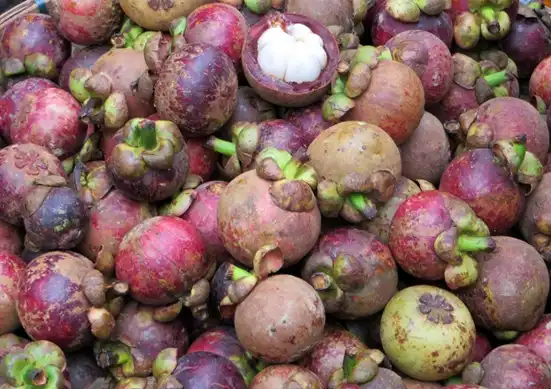
Mangosteen Extract Powder prices change a lot depending on the quality, where it comes from, and the amount of the order. By understanding what causes costs to go up and down, you can make strategic sourcing decisions that balance quality needs with budget constraints.
Raw Material Origin and Cultivation Practices
Where mangosteens are grown affects their price. Thailand, Indonesia, and Vietnam are the main trade sources, and their prices are affordable because their infrastructure is well-established. Due to lower yields and higher certification costs, organic farming costs 30 to 50 percent more than conventional farming. Wild-harvested products are very expensive, but it can be hard to get them in time. The location of the source also has a small effect on the active compound profiles, but for standardized extracts, processing standards are more important than source location.
Extraction Technology and Standardization Costs
Costs of production go up when new extraction and cleaning methods are used. To get 90% α-mangostin, you have to use chromatographic separation, which is more expensive than making basic 10% polyphenol extracts by just extracting the plant material with water. HPLC testing is more accurate than UV spectrophotometry, but it costs more. These investments in technology make it worth paying more for high-potency specifications that are necessary for competitive supplement formulations.
Market Pricing Benchmarks Across Regions
Standard 30% α-mangostin Mangosteen Extract Powder costs between $45 and $75 per kilogram FOB Asia for orders of 100 kg or more. Prices for buyers in Europe are usually between $60 and $90/kg, which includes shipping and import taxes. Prices on the U.S. market range from $55 to $85/kg, based on the type of license needed and the terms of delivery. Extra-premium organic material costs $15 to $25/kg more. Ratio extracts are cheaper—$25 to $40/kg for 10:1—which makes them a good choice for budget-friendly uses that don't need extreme concentration.
Volume Discounts and Long-Term Partnership Benefits
Unit prices are directly affected by the number of orders. Suppliers usually offer tiered pricing: list prices for 25 kg to 100 kg, discounts of 8 to 12 percent for orders of 100 kg to 500 kg, and discounts of 15 to 20 percent for orders of 500 kg or more. When you sign an annual deal with a volume promise, you get a better price and priority when there are supply shortages. Charges are also affected by how the money is paid for. LC at sight costs 5 to 8 percent more than an advance payment. When you work with dependable suppliers, you can get extra benefits like customized specs, technical support, and faster sampling processes that cut down on time to market.
How to Choose the Right Mangosteen Extract Powder Supplier
The choice of supplier is just as important as the requirements for the ingredients. Reliable relationships make sure that quality stays the same, supplies don't run out, and there is technological help beyond just buying ingredients.
Assessing Supplier Credibility and Transparency
Use customer references and the supplier's reputation in the industry to check their track record. Established plant ingredient makers that have been in business since the 1990s have been doing a good job for a long time. Being open about where the raw materials come from, how they are extracted, and how quality control is done builds trust. Traceability is better with suppliers who provide full batch paperwork, such as harvest dates and processing records, than with suppliers who only provide basic COAs. When possible, site audits show what the real powers are instead of what the marketing promises are.
Production Capacity and Supply Chain Stability
The size of a factory affects how reliably orders are filled. It is important for just-in-time procurement strategies that suppliers keep ready stock on hand and ship within three to five business days. To avoid allocation during busy times, your annual production capacity should be higher than your expected demand multiples. Having more than one source for plant raw materials lowers the risk of a single point of failure. Vertical integration, which means owning or working with cultivation bases, improves quality control from choosing the seeds to finishing the processing, making sure that the active compound profiles stay the same from season to season.
Customization Capabilities and Technical Support
Instead of just selling ingredients, advanced providers work with formulators to make new products. Some of the customization services we offer are α-mangostin:polyphenol ratios that are best for certain uses, particle size changes for different delivery systems, and mixing with botanicals that work well together. Having access to application laboratories that do stability testing, solubility assessments, and formulation compatibility trials speeds up the development of new products. Including allergen statements, GMO declarations, and BSE/TSE certificates in the technical paperwork that goes with regulatory applications speeds up the compliance process and lowers the administrative load.
Minimum Order Quantities and Sampling Policies
Different business sizes can work with MOQ rules that are flexible. Established sellers will take small trial orders (1–5 kg) so that you can work on your recipe before committing to larger orders. The standard commercial MOQ starts at 25 kg, which is the same as one drum. This is done to balance the flexibility of the buyer with the efficiency of the supplier. Offering free samples ranging from 100 to 500 grams shows that the seller trusts you and lowers the cost of the original evaluation. Check these terms along with the price, because MOQs that are too strict may force small businesses to keep too much inventory.
Comparing Mangosteen Extract Powder With Similar Products
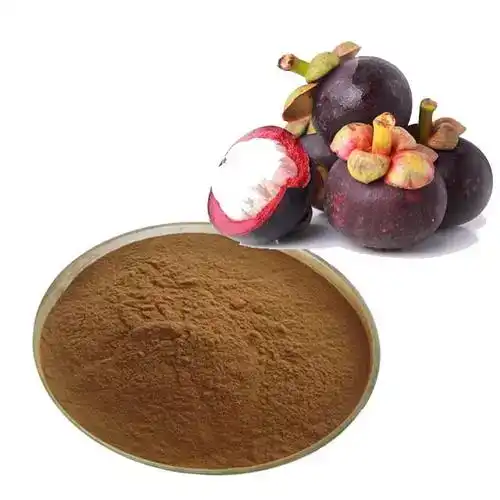
Knowing the differences between product formats and their relative benefits helps you make the best buying decisions for all types of applications.
Extract Powder Versus Juice Concentrates
While mangosteen juice concentrates still have natural flavors that can be used in drinks, they have smaller amounts of xanthone and more sugar. Mangosteen Extract Powder provides 10 to 50 times the bioactive chemical density in normal forms that don't change the taste. They are best for capsules and tablets where taste masking isn't needed. Powder forms are more stable on the shelf (24+ months vs. 12–18 months for liquid concentrates) and cost less to ship because they are lighter and take up less space.
Ratio Extracts Versus Standardized Specifications
The ratio extracts (4:1, 10:1) keep all the phytochemicals, like flavonoids, tannins, and minor xanthones, while α-mangostin is the only one that is lost. This complete profile helps the "whole food" positioning, which appeals to people who want natural complexity. Standardized extracts that give up some minor chemicals to get accurate α-mangostin percentages work well for uses that need regular doses and proof of clinical claims. For general health goods, choose ratio extracts. For focused treatment positioning, choose standardized specs.
Organic Versus Conventional Mangosteen Extracts
Certified organic products cost more, but they can make claims about being organic, which helps them stand out in the market. Conventional extracts that pass strict tests for pesticide residue have the same amount of xanthone power but cost less, making them a good choice for markets that care about price. Consumer perception research shows that organic labeling makes people 20–35% more willing to pay for high-end supplements but doesn't have much of an effect on low-cost supplements. Align organic sourcing with the buying habits of your target demographic and your strategies for competing with others.
Mangosteen Compared to Alternative Antioxidant Extracts
Mangosteen Extract Powder has different xanthone chemistry versus catechins than green tea extract, which allows for new formulations and different marketing stories. Mangosteen extract has a longer history of traditional use and a more foreign look than grape seed extract. The prices of specialty extracts like resveratrol are usually higher than those of common antioxidants like vitamin E. The unique α-mangostin compound allows for proprietary positioning that isn't possible with common antioxidants, which supports pricing strategies that are in the middle of the price range.
Conclusion
Finding the best Mangosteen Extract Powder means finding a balance between the active ingredient requirements, the supplier's reliability, and the business terms. Give more weight to providers who can provide HPLC-verified α-mangostin content, detailed quality paperwork, and flexible MOQ policies that can support both small-scale production and large-scale production. Instead of just looking at the price per kilogram, you should also think about the total cost of ownership, which includes technical support, the ability to make changes, and the ability to keep getting supplies. For nutraceutical, cosmetic, and functional food products, good sourcing relationships ensure uniform quality of raw materials that help with regulatory compliance, formulation effectiveness, and placing in the market.
FAQ
What α-mangostin concentration should I specify for dietary supplements?
Standard food supplement formulas usually include 30 to 50 percent α-mangostin extracts, which strikes a balance between usefulness and cost-effectiveness. In clinical studies that back up antioxidant claims, 200–400 mg of a standardized 40% extract are often taken every day. These amounts can be easily put into capsules. Lower specifications (10–20%) mean that more food is needed for each serving, but the cost of the raw materials is lower. Higher concentrations (50–70%) make end products smaller, which is good for tablet uses. Match the specification to the serving size you want, the cost goals you have, and the claim support needs that are unique to your market positioning.
How can I verify extract authenticity when evaluating new suppliers?
Instead of taking summary COAs that only show overall percentages, ask for full HPLC chromatograms that show each xanthone peak. Real profiles show unique α-mangostin, β-mangostin, and γ-mangostin peaks at certain retention times. You can get independent testing done by approved labs that compare samples from suppliers to real reference standards. Investigate the organoleptic properties—real extract has a mildly astringent taste and a brownish color. When prices seem too low to be true, it's likely that maltodextrin or inferior plant sources have been added. Instead of taking copies of certificates, check the supplier's building certifications through the databases of the granting body.
What regulatory considerations affect U.S. imports?
Mangosteen Extract Powder is considered a dietary ingredient by the DSHEA. It does not need to be approved before it can be sold, but the manufacturer is responsible for making sure it is safe and that the labels are correct. FDA building registration shows that basic rules are being followed. Make sure the seller gives you proof that the product is GRAS when it will be used in food. Structure/function claims need to be backed up, but drug claims should not trigger IND requirements. Import compliance includes using the right HS code (usually 1302.19), having the right paperwork for customs, and following phytosanitary rules. California's Proposition 65 doesn't have a big effect on botanical extracts, but make sure that heavy metal levels stay below the limits that require notice. Keep track of batches so that they can be tracked in case the FDA comes to inspect.
Partner With KH for Premium Mangosteen Extract Powder Supply
Since 1996, KH has been working with plant ingredients and specializes in making fine Mangosteen Extract Powder. They have full control over the entire supply chain, from forming partnerships with growers to finishing the process. Our factories use only pure water and food-grade ethanol for extraction, which are never harmful solvents. This makes clean-label ingredients with α-mangostin contents that are standardized using HPLC analysis and range from 10% to 90%. We keep a ready-to-ship inventory that lets us deliver samples and standard orders within 3–5 days. Our minimum order quantity (MOQ) is flexible, so we can accept trial quantities before making a commercial commitment. As your technical partner, we do more than just supply ingredients. For example, we include full HPLC component profiles with every batch, help in the application lab for formula optimization, and custom-combine solutions that are made to fit your exact functional needs. Our certificates, including ISO9001, FSSC22000, KOSHER, HALAL, HACCP, and FDA registration, make sure that you follow all global rules when making functional drinks, beauty serums, or dietary supplements. One-stop buying services cover drugs, vitamins, and extracts that work well together, making it easier to find what you need. Email our team at info@kingherbs.com right now to get full specs, help with application, and quotes that fit the needs of your project. Find out why procurement managers trust KH as their reliable Mangosteen Extract Powder maker for solid quality and quick response times.
References
1. Pedraza-Chaverri J, Cárdenas-Rodríguez N, Orozco-Ibarra M, Pérez-Rojas JM. "Medicinal properties of mangosteen (Garcinia mangostana)." Food and Chemical Toxicology, Vol. 46, No. 10, 2008, pp. 3227-3239.
2. Gutiérrez-Orozco F, Failla ML. "Biological activities and bioavailability of mangosteen xanthones: A critical review of the current evidence." Nutrients, Vol. 5, No. 8, 2013, pp. 3163-3183.
3. Zadernowski R, Czaplicki S, Naczk M. "Phenolic acid profiles of mangosteen fruits (Garcinia mangostana)." Food Chemistry, Vol. 112, No. 3, 2009, pp. 685-689.
4. Obolskiy D, Pischel I, Siriwatanametanon N, Heinrich M. "Garcinia mangostana L.: A phytochemical and pharmacological review." Phytotherapy Research, Vol. 23, No. 8, 2009, pp. 1047-1065.
5. Chen LG, Yang LL, Wang CC. "Anti-inflammatory activity of mangostins from Garcinia mangostana." Food and Chemical Toxicology, Vol. 46, No. 2, 2008, pp. 688-693.
6. Jung HA, Su BN, Keller WJ, Mehta RG, Kinghorn AD. "Antioxidant xanthones from the pericarp of Garcinia mangostana (Mangosteen)." Journal of Agricultural and Food Chemistry, Vol. 54, No. 6, 2006, pp. 2077-2082.
Send Inquiry
Related Industry Knowledge
- How Does Lotus Leaf Extract Support Modern Nutrition?
- How to Source Premium Strawberry Leaf Extract in Bulk?
- Apple Extract Powder OEM Solutions for Supplement Brands
- Where to buy organic nettle extract powder?
- How is Pure Artemisinin Powder extracted and standardized for purity?
- Passionflower Extract Powder Benefits for Adrenal Fatigue
- How Apple Root Extract Supports Skin Regeneration?
- Watermelon Powder: Heart Health & Hydration Support
- Premium Valerian Root Extract Powder for Natural Relaxation
- Why Choose Watermelon Powder for Sports Nutrition?