_1762508637542.webp)
How to Choose the Best Ginger Extract Powder Supplier
Sep 15, 2026
Choosing the right supplier for standardized botanical ingredients requires careful analysis of technical capabilities, certification compliance, and supply chain reliability. When sourcing Ginger Extract Powder, procurement managers and R&D directors must evaluate suppliers who can deliver consistent gingerol concentrations, batch-level traceability, and extraction processes that preserve bioactive integrity. The ideal partner provides not just raw material supply but technical documentation, formulation support, and transparent communication throughout the procurement cycle. This buying guide addresses the specific challenges dietary supplement brands, nutraceutical companies, and cosmetic formulators face when selecting a supplier capable of meeting USP and EP standards while supporting innovation and scalability.
Core Criteria to Evaluate When Choosing a Supplier
Certification and Quality Documentation
Checking the supplier's certification is the first step in a thorough evaluation. ISO9001 proves that a quality management system works, and FSSC22000 confirms that food safety rules are followed, which is important for using food ingredients and health supplements. For buying things to send abroad, KOSHER and HALAL certifications make it easier to get into new markets. This is especially true for brands that want to sell to Middle Eastern and religious Jewish customers. HACCP compliance means that hazards are systematically analyzed in production settings. This lowers the risk of contamination that could affect whole production batches.
Demand paperwork that is unique to each batch, along with building certifications. Each package should have a Certificate of Analysis with HPLC chromatograms that show the amount of gingerol, the particle size distribution data (usually 95% of the particles pass through 80-mesh screens), the moisture content proof (below 5% to stop microbes from growing), and heavy metal screening. When suppliers offer spectral analysis and third-party lab proof, they show that they are honest, which saves your quality control standards and regulatory standing.
Supply Capacity and Reliability
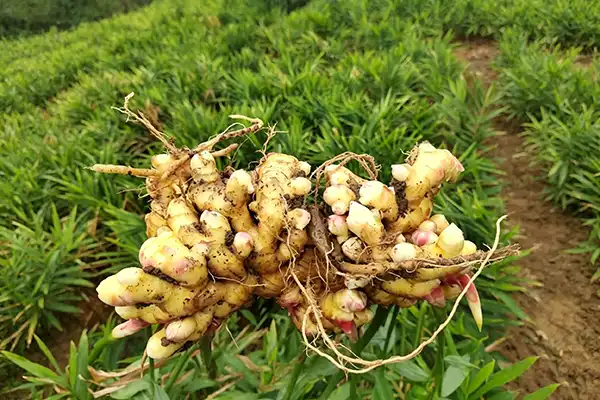
For production to keep going, providers must keep steady stock and scalable capacity. When looking at possible partners, check out how they get their raw materials. Does their business deal directly with cultivation bases, or do they buy on spot markets? Direct farm partnerships enable better harvest timing control, varietal selection, and organic certification traceability—factors that directly impact final extract quality.
The operational scale for Ginger Extract Powder can be seen in the minimum order quantities. When a product is being developed, it's helpful to have suppliers who offer sample sizes and small trial batches (as little as 1 kg) along with commercial minimums of 25 kg. But make sure they can handle large orders—brands that are growing quickly need partners who can handle orders from 500 kg to several tons without affecting quality. Consistency in lead time is just as important; dependable suppliers keep standard specifications in stock, so urgent formulation needs can be met in 3–5 business days.
Pricing Transparency and Payment Flexibility
For prices to be competitive, quality must be proven. If the price is very low, the product has likely been tampered with by adding maltodextrin carriers, having lower gingerol amounts than stated, or having iffy extraction solvent residues. Ask for specific price breaks that show the costs of the raw materials, extraction, processing, testing, packing, and shipping. This openness shows where value is and where there are chances to negotiate.
Terms of payment affect how cash flows are managed. Established suppliers offer a range of flexible payment options, such as letters of credit for international transactions, net-30 or net-60 terms for approved accounts, and structures that allow for partial deposits on large custom orders. People who are ready to talk about payment terms usually have faith in the quality of the product and want to build long-term partnerships instead of casual ones.
Sourcing Traceability
Full traceability from growing the plants to extracting the oils and then packing them makes sure that regulations are followed and the brand is protected. Suppliers should keep records of botanical source proof (Zingiber officinale confirmed through genetic testing or morphological analysis), where the plants came from, when they were harvested, how they were extracted, and the name of the processing center. This chain of custody is very important during quality incidents or regulatory audits because it lets you quickly find the root cause and fix the problem.
Traceability also backs up claims of sustainability, which are becoming more and more important to customers and government bodies. In markets where brand reputation depends on clear supply chains, suppliers who keep records of their fair labor compliance, ethical sourcing practices, and environmental impact assessments stand out.
Comparing Different Types of Ginger Extract Powder Suppliers
Organic Versus Conventional Sources
Organic-certified Ginger Extract Powder costs more, but it can reach very valuable customers. To grow these foods without using manmade fertilizers or pesticides, they need to be processed in approved organic facilities, and there has to be a lot of paperwork all along the supply chain. Even tho it costs 30–50% more, this certification helps brands that sell their goods in natural health stores, premium wellness outlets, or foreign markets with strict organic standards.
Instead of getting organic certification, conventional ginger extracts meet quality standards by using good farming methods and strict residue testing. These are cheaper for formulas that need to be price-competitive, but they still have the safety and effectiveness ratings that are good for mass-market dietary supplements and functional foods. The choice depends on how to position the product for the target market, what the retail channel needs, and what the consumers want.
High-Potency Specialists Versus Broad-Spectrum Suppliers
Gingerol concentrations ranging from 20% to 35% are standardized by companies that focus on therapeutic-grade extracts. These concentrations are aimed at pharmaceutical and clinical nutrition uses that need strong anti-inflammatory effects. Most of the time, these partners offer smaller production amounts, in-depth bioavailability studies, and expert advice on how to make the best dosage. Their knowledge helps R&D-driven brands that use clinical efficacy claims to set themselves apart.
Broad-spectrum sources of Ginger Extract Powder keep gingerol in stock at a number of different amounts and ratios (4:1, 10:1, and 5–15%) so that it can be used in a wide range of situations, from making drinks healthier to making cosmetics. This flexibility makes buying easier for businesses that handle multiple product lines by letting them combine orders, streamline operations, and improve relationship efficiency. On the other hand, they might not be able to provide as much expert technical help as niche professionals.
International Versus Regional Sourcing
International sourcing is cheaper and more efficient, especially when it comes from Asian manufacturers with direct access to areas where Zingiber officinale is grown. These suppliers efficiently handle large orders and keep a lot of stock on hand. But international purchasing is more difficult because of things like longer lead times (30–45 days for ocean freight), procedures for clearing customs, the risk of currency fluctuations, and coordinating communication across time zones.
Regional providers in the US offer faster delivery (often 5–10 business days), easier regulatory compliance (because local suppliers know what the FDA requires), less geopolitical risk, and faster delivery. For brands that need quick inventory turns, just-in-time manufacturing methods, or easier quality assurance procedures, the extra cost of buying from within the country may be worth it.
How to Initiate Procurement and Build a Strong Supplier Relationship
Defining Specifications and Requirements
Successful Ginger Extract Powder procurement begins with clear technical requirements. Write down the amount of gingerol that needs to be present (as a percentage or a ratio), the particle size that you need for your manufacturing process (at least 80 mesh for capsule filling, but micro-encapsulated water-dispersible grades may be needed for beverage applications), the maximum amount of moisture that is acceptable, the microbiological limits, and any certifications that your marketing or regulatory teams need.
Include expected production times, the number of orders you expect, and your sales forecasts. Suppliers need this information to figure out if their ability fits your needs and to set the right price. At this point, clarity stops misunderstandings that hurt relationships and throw off production plans.
Sample Evaluation Process
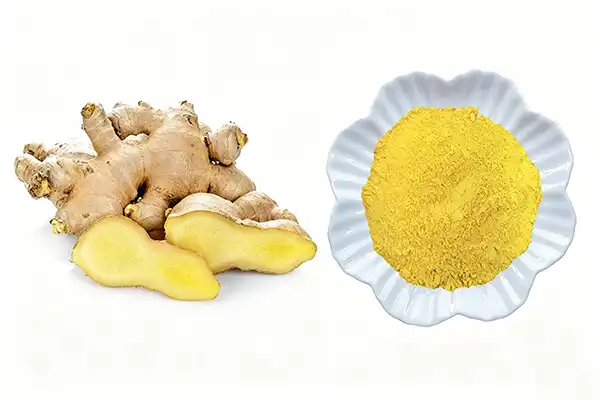
Instead of carefully made samples, ask for examples that come from real production batches. Check the powder's look (a light yellow color means it was processed correctly), its smell (a typical ginger smell with no off-notes that suggest degradation), and the density of the particles. Do or have someone else do an independent HPLC analysis to make sure the gingerol content matches the specifications. Differences in this area show problems with quality control or dishonest behavior.
Check the flow and dispersibility of powders that are important to your manufacturing process. For encapsulation lines, powders must be able to flow freely and have a uniform bulk density. For beverage use, powders must dissolve quickly without clumping. Stability testing under your specific processing conditions (heat during tableting, pH levels in beverage systems, etc.) confirms that the extract stays pure during production.
Negotiation and Contracting
Cost management and quality assurance must be balanced in order for negotiation to work well. Talk about discounts for signing commitment contracts in bulk, flexible payment terms, and technical support that is included. Talk about who is responsible for shipping (FOB or CIF terms), who is responsible for product flaws, and how to settle disagreements. Contracts that are well-written protect both parties and establish accountability frameworks essential for long-term partnerships.
Include sections that talk about verifying the specifications (rights to independent lab testing), batch rejection criteria, and how to fix material that doesn't meet the requirements. These rules may seem negative when the relationship is first starting out, but they are very helpful when quality problems come up because they keep expensive lawsuits from happening and allow problems to be solved quickly.
Partnership Development
Strategic relationships give businesses an edge over their competitors, going beyond simple purchases. Suppliers who work together offer advice on formulation, help find the best dosage for claims of effectiveness, suggest botanical combinations that work well together, and give stability data for new product ideas. This expert help speeds up the process of making new products and lowers the risks that come with formulating them.
Open contact leads to joint innovation possibilities. Share information about market trends, customer feedback, and your competitors with reliable suppliers. They can then change the way your products are extracted, come up with new ways to deliver them, or work with you to create unique standardization profiles that set your products apart. With these partnerships, procurement goes from being a cost center to a source of new ideas.
Common Challenges and Risks in Sourcing Ginger Extract Powder and How to Avoid Them
Adulteration and Quality Inconsistency
When buying Ginger Extract Powder, there is a big risk of getting fake products. Some dishonest sellers water down extracts by adding maltodextrin, starch, or cheaper spice powders, but they still say they meet all the requirements. This scam puts at risk the safety of the product, the brand's image, and its standing with regulators. To stop this, make sure that every batch is tested by a third party before it is sent to production, keep working with certified testing labs, and do regular audits of your suppliers.
Suppliers who don't have managed sources lead to inconsistent quality. When companies buy raw ginger from different farms or spot markets, variations in variety, differences in maturity, and processing delays cause gingerol levels to change from batch to batch. Give more weight to suppliers who can show full control over the whole process, from partnerships at the cultivation base to owning the extraction facility. This will ensure consistent quality of the raw materials.
Supply Chain Disruptions
Supply interruptions are possible because of tense political situations, bad weather that hurts crops, and problems with transportation. The pandemic of 2020–2021, which caused months-long delays due to a lack of containers and crowded ports, showed how weak international logistics are. Reduce these risks by having multiple seller relationships (primary and backup sources), strategic inventory management that keeps 90–120 day supply buffers for important ingredients, and supply chain insight tools that keep track of the state of shipments.
When there are problems with supply, prices change. Monsoon trends, disease pressure, and changes in land use can all have an effect on ginger farming, which can cause changes in the cost of raw materials. Long-term supply deals with price stabilization terms protect budget predictability, and clear information from suppliers about market conditions lets you plan ahead.
Regulatory Compliance Gaps
International sellers might not fully understand what the US FDA needs, what the EU's Novel Food rules are, or how to get goods into their country. This lack of understanding creates regulatory risks that could stop sales of a product or lead to an expensive recall. Check to see if your sellers have experience working with the markets you want to reach. Ask for proof of past exports to those areas, and make sure the quality of their paperwork meets the requirements of the local government.
Compliance with solvent waste rules is especially important. Using food-grade ethanol for extraction must leave residues below 5000ppm (ICH Q3C guidelines), but using water for extraction takes care of this problem completely. Ask for certificates that test for residual solvents and learn about the different ways that products are extracted to avoid breaking the law and having to re-create the product.
Hidden Cost Escalation
The initial price quotes might not show the full landed cost. When you buy something from another country, you may have to pay freight costs, customs taxes, middleman fees, and even demurrage costs. When you send something within the country, you have to pay for freight, handling, and maybe even storage fees if the arrival time doesn't work with your production plans. Ask for prices that cover everything or thorough cost breakdowns so that you can compare suppliers correctly and make a good budget.
Contracts that aren't clear about design limits, differences in testing methods, or how to settle quality disputes can lead to costs that were not expected. A seller who says their product has "5% gingerols" may have used different testing methods that gave them different results from your quality control lab. Align testing methods, agree on accepted levels of difference, and write down these agreements so that disagreements don't stop the supply chain and use up management time and money.
Conclusion
To find the best supplier for Ginger Extract Powder, you need to find a balance between their technical skills, quality assurance, supply reliability, and potential for a partnership. Give more weight to vendors who can show that they fully comply with all certifications, offer clear traceability, have flexible order minimums, and offer technical support that goes beyond just supplying ingredients. Putting money into carefully evaluating suppliers, trying samples, and building relationships pays off in the long run through consistent product quality, regulatory trust, and chances to work together on new ideas. Smart procurement turns sourcing raw materials from a cost management problem into a competitive benefit. This lets brands make goods that are effective, legal, and unique, which builds trust with customers and market success.
FAQ
What gingerol concentration is appropriate for dietary supplement formulations?
Standardized 5–10% Ginger Extract Powder is often used in digestive health supplements to give effective doses in standard capsule sizes. Anti-inflammatory medicines used to improve joint health might need concentrations of 15 to 20 percent to have therapeutic effects similar to those seen in published clinical research. Standardization at 5% is often used in beverage use to find a good mix between effectiveness and taste, since higher concentrations make things smell stronger. The best standardization levels depend on your goal claims for effectiveness, the limits of the dosage form, and your budget. Specification decisions are based on reviewing clinical literature that is relevant to the benefits you want to achieve.
How do organic and conventional extracts differ beyond certification?
In addition to meeting the standards for organic certification, these products usually don't vary much in terms of gingerol content, bioavailability, or safety when both sources use good farming methods and strict testing. The main things that this difference affects are price, access to store channels, and market positioning. Organic approval lets you get a better job, but it costs 30–50% more. Conventional extracts that pass thorough residue testing meet the needs of mass-market uses well while still keeping quality and following the rules.
Can suppliers customize formulations for specific applications?
Modern suppliers let you make your own products, with options like custom gingerol-to-shogaol ratios for specific bioactivity profiles, water-dispersible formats using microencapsulation to make drinks clear, and compound formulations that mix ginger with other plants that work well together, like turmeric or black pepper, to get stronger effects. Custom particle sizing improves the flow properties so that capsules can be filled or tablets can be compressed. For these value-added services to work, they need technical labs, formulation knowledge, and the ability to make things in a variety of ways. This is what sets strategic partners apart from commodity suppliers.
Partner With KH for Reliable Ginger Extract Supply
KH has been making Ginger Extract Powder for almost 30 years and can help procurement managers find reliable sources for standardized extracts. We can be your source for a wide range of services, from controlled farming partnerships that guarantee the authenticity of Zingiber officinale rhizomes to advanced extraction facilities that make 4:1, 10:1, and 5–35% gingerol standardizations. We have many certifications, such as ISO9001, FSSC22000, KOSHER, HALAL, HACCP, and FDA registration. We provide batch-specific HPLC analysis results, residual solvent testing below ICH Q3C limits, and full data for tracking.
Our flexible purchasing allows for sample evaluation orders and small trial quantities before making a full commercial commitment. We have ready stock that allows for delivery within 3–5 business days, and our scalable capacity supports growth from startup to enterprise volume. In addition to providing ingredients, our application laboratory also offers compounding advice, recipe optimization, and stability testing for systems such as cosmetics, drinks, and supplements. Email our technical team at info@kingherbs.com to get samples, talk about unique requirements, or find out how our all-in-one procurement services can help you improve your supply chain and make new products faster.
References
1. Chen, J., Wang, Y., & Liu, H. (2019). Quality assessment of commercial ginger extracts using HPLC fingerprinting and chemometric analysis. Journal of Pharmaceutical and Biomedical Analysis, 164, 568-576.
2. Ghasemzadeh, A., Jaafar, H. Z., & Rahmat, A. (2016). Effects of solvent type on phenolics and flavonoids content and antioxidant activities in two varieties of young ginger extracts. Journal of Medicinal Plants Research, 10(31), 446-453.
3. Kumari, N., Aggarwal, S., & Kumar, P. (2021). Standardization and quality control of herbal drugs: Current approaches and challenges. Asian Journal of Research in Pharmaceutical Sciences, 11(2), 103-112.
4. Prasad, S. & Tyagi, A. K. (2015). Ginger and its constituents: Role in prevention and treatment of gastrointestinal cancer. Gastroenterology Research and Practice, 2015, Article ID 142979.
5. Rahmani, A. H., Shabrmi, F. M., & Aly, S. M. (2014). Active ingredients of ginger as potential candidates in the prevention and treatment of diseases via modulation of biological activities. International Journal of Physiology, Pathophysiology and Pharmacology, 6(2), 125-136.
6. Semwal, R. B., Semwal, D. K., Combrinck, S., & Viljoen, A. M. (2015). Gingerols and shogaols: Important nutraceutical principles from ginger. Phytochemistry, 117, 554-568.
Send Inquiry
Related Industry Knowledge
- What Makes Premium Lotus Leaf Extract High Quality?
- Can Bitter Melon Extract Powder Improve Digestive Wellness?
- Does Astaxanthin Powder And Oil Help Protect Heart Health?
- How Long Before Tongkat Ali Extract Powder Starts to Work?
- Angelica Officinalis Extract in Functional Food Applications
- Passionflower Extract Powder: A Natural Way to Help with Stress & Sleep Support
- Can Cortex Phellodendri Powder Help with Skin Conditions?
- How Watermelon Powder Enhances Athletic Recovery?
- Can Watermelon Powder Support Nitric Oxide Production?
- Olive Extract Powder Benefits: Antioxidant & Health Support