_1762508637542.webp)
Holy Basil Extract Powder Benefits and Uses Explained
Aug 12, 2026
Holy Basil Extract Powder is a powerful herbal ingredient obtained from Ocimum sanctum, known as “Tulsi” throughout thousands of years of Ayurvedic healing practices. It is a fine brownish-yellow powder that contains bioactive substances such as ursolic acid, eugenol, oleanolic acid, and flavonoids that impart adaptogenic and antioxidant characteristics. For procurement managers and formulators in the dietary supplement, functional food, cosmetic and pharmaceutical industries, an understanding of the benefits, applications, and sourcing considerations of this extract is critical to developing competitive, compliant products that meet the changing consumer demands in the US market.
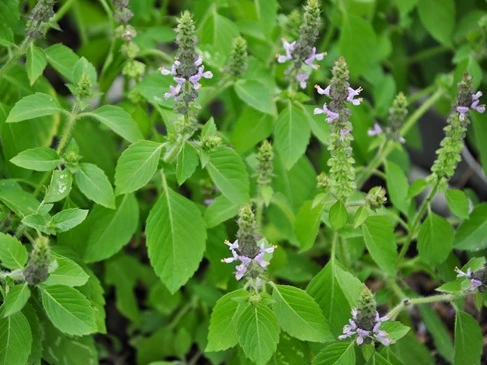
What is Holy Basil Extract Powder? Understanding Its Origins and Composition
Botanical Heritage and Cultural Significance
How do you spell powder of holy basil extract? Knowing where it originated from and what it was composed of. Family Lamiaceae, Ocimum sanctum Linn has been cultivated in the Indian subcontinent for more than 5,000 years. The plant's stems and leaves contain the most medicinal compounds and are hence the optimal sections to employ for commercial extraction. In classic Ayurvedic texts, Tulsi is regarded as a rasayana herb, a kind of plant that is thot to promote longevity and good health. This extract has been utilized in traditional cultures for centuries and is currently used to develop supplements that relieve stress, immune system formulae and items that promote metabolic wellbeing.
Extraction and Standardization Methodologies
Modern manufacture employs water or drinking ethanol extraction to ensure the outcome is safe and clean. They are gentle approaches that maintain the purity of heat-sensitive bioactives unlike harsh chemical solvents. The medication efficacy is shown by the HPLC (high-performance liquid chromatography) testing. Normal values are 1% to 2.5% of ursolic acid concentration. Ratio extracts are another option, offering formulators greater latitude if they need specified concentration levels. The resulting powder is very soluble and maintains its color, which is vital to make it easier to include in tablets, capsules, beverages, and skin treatments.
Key Bioactive Compounds and Their Functions
Ursolic acid has anti-inflammatory and metabolic support properties, making it effective in weight reduction and heart health combinations. Eugenol is more beneficial since it possesses antimicrobial and pain-killing qualities. Oleanolic acid acts as an antioxidant to protect the liver from oxidative stress. Different flavonoids serve to maintain the health and cleanliness of the liver. These compounds are synergistic and provide a complete phytochemical profile supporting Holy Basil Extract Powder use in health items, providing diverse advantages for a variety of customers.
Health Benefits and Uses of Holy Basil Extract Powder
Adaptogenic Properties for Stress Management
Regular use has been shown in clinical studies to help change the levels of cortisol, the main stress hormone. Studies that were published in peer-reviewed journals show that people who took standard Tulsi preparations had lower anxiety scores and better brain function than people who took placebos. Because it is adaptogenic, the extract is very useful for supplement companies that are making stress-relieving, mood-supporting, and nootropic blends for the growing number of health-conscious people who want natural alternatives to synthetic anxiety drugs.
Antioxidant and Immune System Support
Holy Basil Extract Powder's polyphenolic compounds get rid of free radicals, which protects cell structures from oxidative damage. Tulsi is regularly ranked as one of the highest-antioxidant plants in lab tests that measure its oxygen radical absorbance capacity (ORAC) numbers. This has effects on the immune system, as shown by studies that show increased activity of natural killer cells and better cytokine levels. Nutraceutical companies that make seasonal wellness products, immune-boosting supplements, and anti-aging solutions can get measurable functional benefits backed by scientific evidence by adding this extract to their products.
Anti-Inflammatory and Metabolic Health Applications
Ursolic acid and eugenol stop cyclooxygenase enzymes from working, which makes them natural options for pain relief and joint health products. New research shows that managing metabolic syndrome might be helpful. For example, tests on animals have shown that insulin sensitivity and lipid profiles get better. These results give people who make supplements a chance to make blood sugar support supplements, weight management aids, and circulatory wellness recipes that follow the rules set by regulators and address major public health problems in the US population.
Recommended Dosages and Safety Considerations
For standardized extracts with 2% to 2.5% ursolic acid, the usual daily dose is between 300 mg and 600 mg. When creating dose amounts for capsules, tablets, or functional drinks, these factors should be taken into account by the people who make the products. Most people think it's safe to eat at the recommended levels, but pregnant women and people taking blood thinners should talk to their doctors before using. Quality assurance teams need to make sure that these safety concerns are included in batch-level documentation. This gives customers peace of mind and meets regulatory needs.
How to Use Holy Basil Extract Powder in B2B Applications
Integration into Nutraceutical and Dietary Supplement Formulations
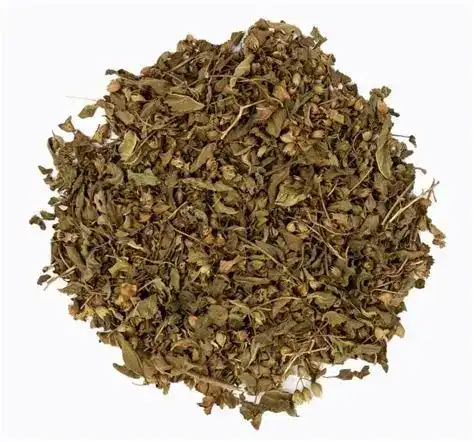
Standardized Holy Basil Extract Powder has small particles and a consistent color, which makes it easy to directly compress for making tablets or encapsulate for making softgels and hard-shell capsules. To keep the distribution even when mixing with other botanicals, you need to pay attention to matching the densities and following the right mixing steps. The extract works best when combined with ashwagandha to boost its adaptogenic effects, Rhodiola to improve brain function, or ginger to boost its anti-inflammatory effects. These strategic mixtures help brands set their goods apart in crowded markets while also providing health benefits in more than one way.
Functional Food and Beverage Applications
Botanical extracts are being used more and more in ready-to-drink teas, energy shots, and functional waters. The mild flavor of holy basil goes well with citrus, ginger, and mint, making tasty products without being too bitter. Accelerated shelf-life testing must be done to make sure that the food is stable at high temperatures during pasteurization. This is done to make sure that the bioactive compounds stay intact during distribution and storage. To get the best solubility, you might need to work with carriers or emulsifiers at the same time. This is especially true for clear drinking systems, where the clarity affects how people see them and their decision to buy.
Cosmeceutical and Personal Care Formulations
The anti-inflammatory and antioxidant properties work well when applied to the skin. Holy Basil Extract Powder is added to serums, creams, and masks by cosmetics formulators to improve skin health, reduce inflammation, and slow down the aging process. To keep emulsion systems stable, stabilizers, detergents, and active ingredients need to be tested to see if they are compatible. The natural antimicrobial qualities of the extract may help with preservation as well, meaning that manmade preservatives may not be needed as much. This is helpful when selling to clean beauty customers who want natural personal care products.
Quality Maintenance During Processing and Storage
Controlling the temperature during production keeps heat-sensitive compounds from breaking down. To keep bioactivity, processing temps should stay below 60°C. Moisture content standards usually call for amounts below 5% to stop the growth of microbes and the formation of clumps. The standard shipping in 25 kg drums with moisture barrier covers keeps the goods safe from humidity in the air. When properly sealed, storing in cool, dry places away from direct sunlight can make food last up to 24 months. These best practices make sure that the performance of a product stays the same from the time it receives raw materials to the time it is shipped out.
Comparing Holy Basil Extract Powder Options for Procurement
Organic versus Conventional Extract Sourcing
Finding Organic vs. Conventional Extracts. Organic approval, like USDA Organic or ECOCERT, means higher prices but gives you access to health-conscious customers who want foods that don't contain pesticides. If a brand is on a tight budget, conventional extracts can save them money without sacrificing the core bioactive content, as long as they come from a reliable supplier with strong quality control. To find the best specifications that fit brand strategy and profit margin goals, procurement teams have to compare the costs of certification to market positioning, target demographics, and an analysis of the competition.
Pure Extracts versus Botanical Blends
Botanical Blends vs. Pure Extracts. Single-ingredient extracts give you the most freedom when making custom formulations because you can precisely control the amounts of active ingredients. Pre-blended botanical combinations are convenient and could save you money because they make it easier to find the plants you need, keep track of them, and test their quality. The choice depends on the company's ability to make things, its wide range of products, and its overall strategic placement. Brands that care about clean labels and transparency might like single-ingredient claims, while brands that care about getting products to market quickly might use pre-formulated blends that cut down on the time it takes to make new products.
Form Factor Considerations for Different Applications
Form Factor Things to Think About for Various Uses. Holy Basil Extract Powders are more useful for making functional foods, drinks, capsules, and tablets. For consumer-facing goods, encapsulated forms make dosing easier, but they make it harder to integrate B2B products in different ways. There are benefits to using liquid concentrates in drinking uses, but they can be unstable and cost more to ship. When purchasing managers look at different form factors, they should do cost-per-dose analyses that take into account how hard the product is to make, how much it costs to ship, and how quickly it sells so they can find the best standards that meet both practical and formulation needs.
Certification Standards and Compliance Requirements
Standards for certification and requirements for compliance. Aside from organic certifications, buyers should also check for ISO9001 quality management systems, FSSC22000 food safety certifications, and, if necessary, KOSHER, HALAL, HACCP, and FDA registration. These certificates show that the seller is committed to quality control, traceability, and following the rules, which are all important parts of lowering supply chain risks. Certificates of analysis with HPLC test results, heavy metal screening, microbiological testing, and pesticide residue reports meeting USP or EP pharmacopeia standards should be included in the paperwork. These make regulatory applications and checks easier.
How to Choose and Source Quality Holy Basil Extract Powder
Defining Procurement Objectives and Specifications
How to Pick and Get Good Holy Basil Extract Powder. Setting goals and requirements for the procurement process. To start sourcing successfully, you need to be clear about the quality standards, minimum order quantities, delivery times, and budget limits. The technical specifications should include the amount of ursolic acid, the distribution of particle sizes, the maximum amount of moisture, and the standards for microbes. Different types of products have different regulatory compliance needs. For example, cosmetics and food additives have different needs than dietary supplements. Including cross-functional teams like R&D, quality assurance, legal affairs, and supply chain in the specification creation process makes sure that all of the organization's goals are met and avoids expensive changes to the specifications during the commercialization phase.
Evaluating Supplier Capabilities and Credibility
Checking the Credibility and Capabilities of Suppliers. When evaluating a supplier, you should look at more than just price. You should also look at their manufacturing capacity, quality systems, technical support, and how open the supply chain is. Site checks make sure that GMP rules are followed and that the equipment is suitable for regular production. Checking with past customers for references can give you information about how reliable, responsive, and good at solving problems someone is. Asking for batch paperwork, stability data, and allergen statements during approval shows that the provider is ready to meet the strict needs of the industry. These due diligence steps find partners who can help with long-term growth instead of transactional providers whose main goal is to cut costs in the short term.
Sample Testing and Batch-Level Documentation
Sample testing and documentation at the batch level. By asking for samples, you can test them in-house to make sure they meet your needs before committing to large orders. Analytical testing should use the same methods as the supplier and also check with outside labs to make sure the active compound content, purity, and lack of contaminants are correct. Batch certificates should have harvest dates, methods of extraction, and tracking numbers that connect finished goods to their source materials. This is necessary for managing recalls and following the rules. Minimum order numbers for trial runs let formulas be developed and stability tested without putting too much risk on inventory during the product development stages.
Building Strategic Partnerships with Manufacturers
Setting up long-term partnerships with manufacturers. For long-term success, working together is more important than buying things one at a time. When suppliers offer expert support, help with making special formulations, and advice on how to use their products, they become strategic partners that help with innovation and setting themselves apart in the market. Companies with more than 25 years of experience, like KH (Kingherbs Limited), show their dedication by keeping track of every seed that is turned into a powder, using only water or drinkable ethanol for extraction, and offering full application laboratory support. Short development timelines can be met by having samples in stock and ready to ship within three to five business days. Flexible minimum order quantities (MOQs) allow for both small-batch trials and large-scale commercial production.
Conclusion
Because it is adaptogenic, antioxidant, and anti-inflammatory, Holy Basil Extract Powder from Ocimum sanctum can be used in a wide range of products, including dietary supplements, functional foods, cosmetics, and medicines. When adding this ingredient, procurement managers and product developers should know about the botanical origins, bioactive composition, and formulation considerations that are specific to the application. When making sourcing choices, it's important to think about overall cost, certification needs, standard requirements, and source skills. This will help you find partners who can help you meet your quality, compliance, and innovation goals. Brands can take advantage of the rising demand for natural, science-based health solutions in competitive global markets by carefully choosing the ingredients they use and forming relationships with suppliers.
FAQ
Is daily consumption of holy basil extract safe?
Is it safe to take Holy Basil Extract Powder every day? Based on clinical studies and traditional use patterns, the recommended daily dose for standardized preparations is between 300 mg and 600 mg. Products made according to GMP guidelines and tested properly meet safety standards set by government agencies. As with any dietary product, people with certain medical problems or who are taking medicines should talk to their doctors first.
What distinguishes organic from conventional Tulsi powder?
What makes organic Tulsi powder different from regular Tulsi powder? Organic approval proves that the crops were grown without using manmade fertilizers, herbicides, or pesticides. This is appealing to health-conscious shoppers who want to buy foods with clean ingredients. Conventional extracts from reputable suppliers that follow strict testing protocols have the same amount of bioactive content but cost less. The choice relies on how the company is positioned, the people you want to reach, and how much you are willing to spend on premium certifications.
Can this ingredient support large-scale manufacturing?
Can this ingredient be used for mass production? Standardized tulsi extracts can be easily added to the methods used to make tablets, capsules, drinks, and skin care items. Suppliers who offer 25 kg drum quantities and reliable logistics help keep production schedules on track. When stored and handled properly, this ingredient's quality is maintained throughout industrial production cycles. This makes it suitable for high-volume manufacturing operations that serve both national and foreign markets.
Partner with KH for Premium Holy Basil Extract Powder Supply
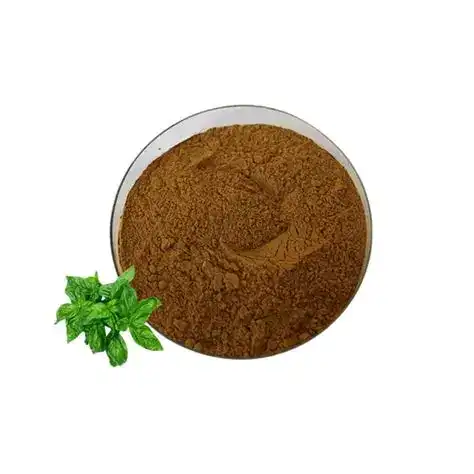
Obtain Premium Holy Basil Extract Powder by Working with KH. You can trust Kingherbs Limited to make Holy Basil Extract Powder, and you can track it all the way from the seeds that were grown to the finished powder. The fine brownish-yellow powder that dissolves quickly and stays the same quality batch after batch is made by our natural extraction using only water or edible ethanol. Standardized amounts of 1.2 to 2.5% ursolic acid that have been proven by HPLC testing come with a wide range of certifications, such as ISO9001, FSSC22000, KOSHER, HALAL, and HACCP. We offer sample orders and small trial amounts for formulating, with a business minimum order quantity (MOQ) of 25 kg and ready stock that lets you ship quickly. Our application laboratory does more than just supply ingredients. It also helps with compounding, recipe optimization, and stability testing for skincare systems, pills, and drinks. Get in touch with our technical team at info@kingherbs.com to talk about your needs, ask for detailed analytical reports, and find out how our end-to-end quality control gives your products the consistency they need to compete in the market.
References
1. Cohen, M. M. (2014). "Tulsi - Ocimum sanctum: A herb for all reasons." Journal of Ayurveda and Integrative Medicine, 5(4), 251-259.
2. Jamshidi, N., & Cohen, M. M. (2017). "The Clinical Efficacy and Safety of Tulsi in Humans: A Systematic Review of the Literature." Evidence-Based Complementary and Alternative Medicine, Article ID 9217567.
3. Singh, N., Hoette, Y., & Miller, R. (2002). "Tulsi: The Mother Medicine of Nature." International Institute of Herbal Medicine, Lucknow, India.
4. Gupta, S. K., Prakash, J., & Srivastava, S. (2002). "Validation of traditional claim of Tulsi, Ocimum sanctum Linn. as a medicinal plant." Indian Journal of Experimental Biology, 40(7), 765-773.
5. Pattanayak, P., Behera, P., Das, D., & Panda, S. K. (2010). "Ocimum sanctum Linn: A reservoir plant for therapeutic applications." Pharmacognosy Reviews, 4(7), 95-105.
6. Mahajan, N., Rawal, S., Verma, M., Poddar, M., & Alok, S. (2013). "A phytopharmacological overview on Ocimum species with special emphasis on Ocimum sanctum." Biomedicine & Preventive Nutrition, 3(2), 185-192.
Send Inquiry
Related Industry Knowledge
- Apple Extract Powder OEM Solutions for Supplement Brands
- How to Use Passionflower Extract Powder for Better Sleep?
- How Does Astaxanthin Powder And Oil Support Skin Health?
- How Fast Can Tongkat Ali Extract Powder Boost Your Energy Levels?
- How does Angelica extract support digestion?
- Organic Couch Grass Rhizome Extract for Premium Supplements
- Why Is Onion Extract a Must-Have for Hair and Skin Health?
- Cortex Phellodendri Powder: Benefits, Uses, and Dosage
- Does Watermelon Powder Boost Immune Function?
- What Is Macleaya Cordata Extract Used For?