_1762508637542.webp)
Can Echinacea Purpurea Extract Support Immune Health Naturally?
Sep 8, 2026
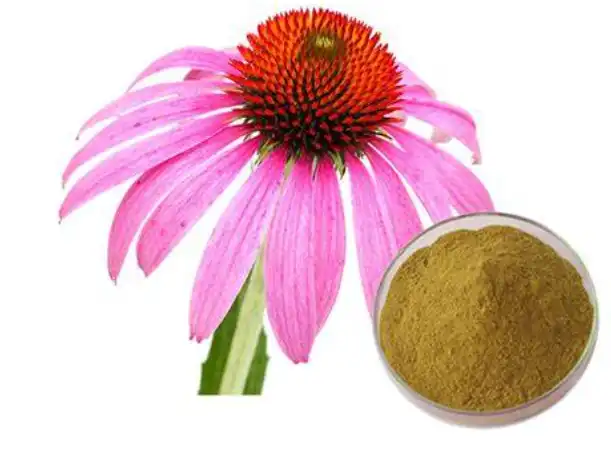
Echinacea Purpurea Extract – A potent phytonutrient-rich natural immunity booster. It is a botanical product obtained from the aerial portions of Echinacea purpurea (L.) Moench and includes bioactive substances such as cichoric acid, echinacosides, and polyphenols that stimulate immune cells, decrease inflammation, and offer antioxidant protection. It is an important natural component of immune support formulas, with clinical research indicating that it reduces the length of a cold and supports seasonal health.

Scientific Evidence: How Echinacea Purpurea Extract Supports Immune Health
Immune Cell Activation Mechanisms
Studies in reputable immunology journals show that Echinacea Purpurea Extract turns on several immune pathways at the same time. The alkamide part binds to cannabis receptors on macrophages, which makes them phagocytic, which means they eat bacteria. Polysaccharide parts help natural killer cells multiply, which makes it easier for the body to find and kill virus-infected cells. Cichoric acid changes the production of cytokines, which balances pro-inflammatory and anti-inflammatory messages to keep the immune system from overreacting and keep it ready to defend itself. These molecular insights back up the traditional use of purple coneflower and give science a reason to support current immune support formulas.
Clinical Trial Results and Comparative Efficacy
A review of 14 controlled trials found that using uniform purple coneflower products before getting a cold cut the risk of getting one by 58%. When given at the start of symptoms, the same extracts cut the length of illness by an average of 1.4 days compared to control groups. This performance is similar to what elderberry extract does, but it works better for upper respiratory tract infections than vitamin C alone. Echinacea Purpurea Extract mixed with zinc and ascorbic acid produced synergistic benefits that were greater than those of the individual ingredients. These results help people who make products make immune-supporting formulas with more than one ingredient that work.
Safety Profile and Dosing Considerations
Twenty years of clinical safety data show that purple coneflower chemicals are well tolerated. Adverse events are still mild and rare, affecting less than 2% of users and mostly being minor stomach pain. People are surprised at first by the way alkamides make their tongues tingle, but this is actually a sign of a high-quality extract with full bioactive chemicals. Doses between 250 mg and 500 mg per day are suggested during acute phases. During seasonal high-risk periods, maintenance doses should be lowered. These factors are in line with what regulators say should happen and back up clear labeling claims that meet customer safety expectations while providing real benefits.
Market Insights and Quality Standards for Procurement Decisions
Critical Quality Certifications and Regulatory Frameworks
When making sourcing choices, companies must give more weight to suppliers who have a wide range of certifications that show they are excellent at making things. ISO9001 makes sure that quality control systems always work the same way, and FSSC22000 checks for food safety risks all the way through production. Certifications like KOSHER and HALAL make it easier for certain types of customers to buy things. The HACCP protocols find the most important control points that keep things from getting contaminated, and the FDA registration shows that the facility follows Good Manufacturing Practices. All of these qualifications lower the risk of buying things and make it easier for regulators to approve final goods. Manufacturers looking for plants that are safe for pharmaceutical use should make sure that the providers they work with do independent checks and constant compliance tracking. This is because these steps ensure that the quality of each batch is the same, which is important for clinical uses.
Certificate of Analysis and Batch Testing Requirements
Every package of Echinacea Purpurea Extract should come with a full Certificate of Analysis that shows the HPLC results for cichoric acid, the UV spectrophotometry results for total polyphenols, and the results of microbial testing to show that there are no bugs. Heavy metals testing for arsenic, lead, cadmium, and mercury must stay below 10 parts per million (ppm) overall and below 3 ppm for each metal. Pesticide residue screens that cover more than 200 compounds make sure that farming inputs can't be found. The solvent residue analysis shows that the amount of ethanol is less than 5000 parts per million, which is the safety number set by pharmacopeial standards. When procurement teams look over these documents, they can be sure that the products are genuine and keep full records of all the steps that were taken, from the field to the finished formulation.
Supplier Evaluation and Product Format Considerations
When you compare supplier profiles, you can see big differences that affect long-term partnerships. Traceability is better for vertically integrated businesses that control planting bases than for selling companies that get their goods from different farms. Large amounts of powder in 25 kg fiber drums make logistics easier for high-volume operations. Smaller trial amounts let R&D teams see how well the powder works with existing formulations before committing to large orders. Different levels of standards lead to different pricing benchmarks. For example, 4% cichoric acid extracts are more expensive than simple ratio extracts. Volume-based discounts usually start to apply when you commit to 500 kg every three months. This makes choosing a provider a strategic choice that involves balancing quality needs with practical scale. When procurement managers understand these market factors, they can negotiate better terms and make sure that there are stable supply chains that can keep up with production schedules and keep product quality standards high even when demand changes with the seasons.
How to Identify and Choose the Right Echinacea Purpurea Extract for Your Business Needs
Defining Business Objectives Across Industry Segments
Pharmaceutical companies need extracts that follow strict pharmacopeial standards, which stress similar alkaloid profiles and tried-and-true analytical methods. Nutraceutical brands that want to strike a balance between price and effectiveness often choose 10:1 ratio extracts that are standardized to 2% cichoric acid. These extracts make strong immune support claims at reasonable prices. OEM manufacturers benefit when suppliers offer custom formulation services, such as mixing with plants that work well together, like astragalus or andrographis. Distributors that want to get into new markets quickly value suppliers that keep stock on hand and offer low minimum order amounts. This lets the supplier's business grow without taking on any inventory risk. Making these goals clear to suppliers during talks makes sure that suggestions are in line with their production capabilities and strategies for positioning themselves in the market.
Essential Evaluation Metrics for Extract Selection
The quality of the extract is directly related to how well it is made and how stable the final product is. High-bulk-density powders at 0.55 g/ml improve the process of filling capsules by lowering the need for fillers and allowing more active ingredients to be packed into each dose. The way compounds are extracted sets their profiles. For example, ethanol-water co-extraction can get both lipophilic alkamides and hydrophilic polysaccharides, while single-solvent methods create specific parts for specific uses. Different types of plants have different phytochemicals. For example, North American cultivars tend to have higher levels of cichoric acid than European varieties, which is an important consideration when selecting Echinacea Purpurea Extract with consistent botanical characteristics. Third-party audits of supplier certifications provide objective quality assurance, while customer testimonials from well-known brands confirm consistent performance across manufacturing cycles.
Aligning Product Formats with Formulation Requirements
Manufacturers of capsules benefit from powders that don't clump together easily and don't absorb water. This keeps the powders from sticking together during storage and makes sure that automated equipment gives the right dose. Formulators of drinks need grades that can dissolve in cold water and stay stable in acidic environments without forming crystals during storage. For smooth texture and better skin penetration, cosmetics that are put on the skin need micronized particles smaller than 20 microns. By knowing these technical standards, buying teams can choose the right product grades when they are sourcing, which saves money on costly reformulation efforts and speeds up the time it takes to get new products on the market.
Maximizing Value: Integrating Echinacea Purpurea Extract into Your Product Line
Practical Applications Across Immune Health Categories
Dietary supplement companies use purple coneflower extracts in immune-supporting blends with other ingredients. These blends contain 300 mg of standardized extract, 50 mg of zinc gluconate, and 500 mg of vitamin C. It has been shown that this combo works better together in clinical situations, which supports higher prices. Functional beverage makers add water-soluble extract grades to cold-pressed drinks and wellness shots to make them easier for health-conscious customers to get immune support. As the clean beauty market grows, cosmetic companies use the anti-inflammatory qualities to make soothing serums and lotions for sensitive skin. These different uses show how useful this botanical ingredient is in a lot of different types of products.
OEM Partnerships and Private Label Opportunities
Contract manufacturers that offer "turnkey" solutions make it easier for new brands that don't have their own formulation experts to make new products. These relationships give companies access to established supply lines, help from regulators for label claims, and the ability to make more without having to spend a lot of money on new manufacturing equipment. Private labeling agreements let immune support ideas be tested quickly in the market, and open minimum order numbers let smaller brands get their start in the market. Case studies that worked show how regional supplement companies worked with experienced OEMs to release seasonal health goods that saw 40% year-over-year growth by timing their releases to coincide with cold and flu seasons.
Emerging Trends and Operational Best Practices
Nano-emulsion technology improves bioavailability and increases absorption rates by 300% compared to regular powders. This helps premium product positioning. Standardized formulations with exact amounts of cichoric acid allow for consistent claims of effectiveness that help build brand loyalty and reputation. People want more information about the products they buy, so they're interested in extracts that have full supply chain paperwork, from choosing the seeds to checking them. In practice, keeping 60-day inventory gaps stops running out of stock during times of high yearly demand. Keeping active compounds stable during storage at 15–25°C also helps. These methods get the best return on investment while making sure that the quality of the products always meets customer needs.
Conclusion
Scientists have proven that Echinacea Purpurea Extract is a natural way to help the immune system. It can be used in dietary supplements, functional foods, and cosmetics. Strong clinical evidence, a variety of formulation options, and a lot of consumer recognition all work together to make great opportunities for product developers. To be successful in this market niche, you need to work with your suppliers in a strategic way, focusing on quality certifications, uniform analytical specs, and reliable supply chain management. Manufacturers who put these factors first will be able to take advantage of the ongoing interest among consumers in strategic wellness solutions that provide measured health benefits through natural botanical ingredients.
FAQ
What differentiates Echinacea purpurea extract from other immune support botanicals?
Purple coneflower extracts are one of a kind because they contain alkamides, polysaccharides, and caffeic acid derivatives, which are all types of bioactive compounds that work together to support the immune system in many ways. This approach uses more than one mechanism to help the immune system than using single-action ingredients like zinc or vitamin C.
How should manufacturers verify extract quality before large-scale purchasing?
A full Certificate of Analysis should be requested that includes HPLC proof of marker chemicals, heavy metals screening, pesticide residue tests, and microbial analysis. Before committing to bulk sales, specs are checked by sending samples to independent labs for testing.
What storage conditions preserve Echinacea Purpurea Extract stability?
Keep containers that are tightly sealed in cool, dry places that are 15 to 25°C and have a relative humidity below 60%. Fiber drums with double-lined plastic bags keep cichoric acid stable for 24 months by keeping out moisture and oxygen.
Partner with KH for Premium Echinacea Purpurea Extract Supply
KH offers purple coneflower ingredients that are safe for use in medicines, along with full quality paperwork and expert formulation support. As a company that has been making Echinacea Purpurea Extract since 1996, we keep full tracking from the controlled planting bases to the release of the final product. This makes sure that the bioactive profiles are always the same and meet USP and EP standards. Our HPLC-verified extracts have standardized levels of cichoric acid ranging from 0.2% to 4%, and you can choose between 4:1 and 10:1 concentrations. We take sample orders and trial quantities, and we have stock ready to ship right away by courier, air, or ocean. Technical teams give advice on how to combine, test for stability, and help with applications for drinks, pills, and beauty systems. Email our purchasing agents at info@kingherbs.com to get detailed specifications and COA paperwork that will speed up the process of making your product.
References
1. Barnes, J., Anderson, L.A., and Phillipson, J.D. (2007). Herbal Medicines: A Guide for Healthcare Professionals. Third Edition. London: Pharmaceutical Press.
2. Shah, S.A., Sander, S., White, C.M., Rinaldi, M., and Coleman, C.I. (2007). Evaluation of echinacea for the prevention and treatment of the common cold: a meta-analysis. The Lancet Infectious Diseases, 7(7), 473-480.
3. Manayi, A., Vazirian, M., and Saeidnia, S. (2015). Echinacea purpurea: Pharmacology, phytochemistry, and analysis methods. Pharmacognosy Reviews, 9(17), 63-72.
4. Jawad, M., Schoop, R., Suter, A., Klein, P., and Eccles, R. (2012). Safety and efficacy profile of Echinacea purpurea to prevent common cold episodes: a randomized, double-blind, placebo-controlled trial. Evidence-Based Complementary and Alternative Medicine, 2012, Article ID 841315.
5. Karsch-Völk, M., Barrett, B., Kiefer, D., Bauer, R., Ardjomand-Woelkart, K., and Linde, K. (2014). Echinacea for preventing and treating the common cold. Cochrane Database of Systematic Reviews, Issue 2, Art. No.: CD000530.
6. United States Pharmacopeial Convention. (2020). USP-NF 2020: The United States Pharmacopeia and The National Formulary. Rockville, MD: United States Pharmacopeial Convention, Echinacea purpurea Herb monograph.
Send Inquiry

Related Industry Knowledge
- Aloe Vera Gel Powder Applications: Drinks, Cosmetics, and Supplements
- How to Choose the Best Aloe Vera Gel Powder Factory?
- Top Ginger Extract Powder Uses for Food and Supplement Brands
- Does Astaxanthin Powder And Oil Help Protect Heart Health?
- The Science Behind Couch Grass Rhizome Extract Benefits
- Why Use Apple Root Extract in Skincare Products?
- Premium Couch Grass Rhizome Extract for Urinary Tract Support
- Why Add Watermelon Powder to Functional Beverages?
- Couch Grass Rhizome Extract Powder: Complete Buyer’s Guide
- Can Watermelon Powder Support Nitric Oxide Production?