_1762508637542.webp)
How to Import Mimosa Pudica Powder: Documents, MOQ, and Quality
Oct 5, 2026
Importing Mimosa Pudica Powder requires careful attention to documentation, quality standards, and supplier selection to ensure compliance and product efficacy. Company that makes food supplements, nutraceuticals, and products that want to use natural, healthy ingredients now need this plant-based ingredient that comes from a sensitive plant. To make a strong supply chain for this plant product that is becoming more and more famous in the US market, you need to know the rules, check the certificates of analysis, figure out the minimum order quantities, and set up strict quality controls.
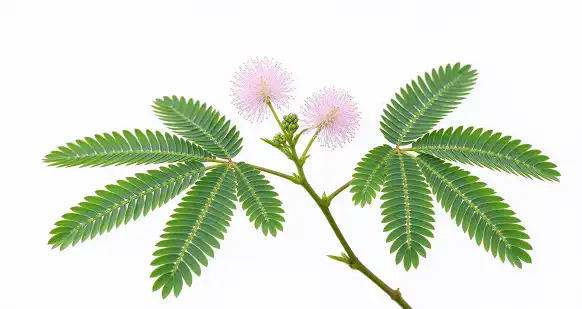
Ensuring Quality and Compliance of Imported Mimosa Pudica Powder
Quality assurance procedures keep a brand's image safe and make sure that all parts of the supply chain follow the rules. When making decisions about what to buy, it's important to weigh the costs of quality control against the time and effort needed to find botanical ingredients with different phytochemical profiles. Suppliers who can deliver consistent, contamination-free goods are set apart from those who give commodity-grade materials with vague specifications by their strong quality control systems.
Key Quality Parameters and Testing Standards
The most basic way to judge the quality of Mimosa Pudica Powder is to check the concentrations of active compounds. HPLC (High-Performance Liquid Chromatography) research measures the amount of mimosine, saponins, and flavonoids present. These are bioactive factors that show how well a medicine works and how well it is made. Reliable providers give R&D teams batch-specific HPLC chromatograms with chemical profiles and concentration ranges. This lets them figure out if an ingredient is right for a certain application. Heavy metal testing for lead, cadmium, arsenic, and mercury according to USP <232> standards is part of contaminant screening. So is herbicide residue analysis for common farming chemicals, microbial testing for E. coli, yeast, and mold, and pathogen screening for Salmonella and Staphylococcus aureus.
Organic Certification Considerations
Choosing between organic and conventional Mimosa Pudica Powder means weighing the costs of certification, the ease of getting the powder, and the benefits of market positioning. For USDA Organic certification, supply chain paperwork must be checked all the way from certified organic farms to processing plants that follow organic integrity standards. Even though organic-certified products are more expensive—often 20 to 40 percent more than regular ones—they help brands sell themselves to health-conscious customers who are willing to pay more. Finding organic plant-based ingredients in places like India and Southeast Asia that already have a strong organic farming system is more convenient and cheaper than going to places where organic certification systems are just starting to form. Purchasing teams should make sure that organic certificates are still valid and do regular checks to make sure that sellers follow segregation rules that keep organic and conventional product lines from getting contaminated while they are being processed and stored.
Supplier Auditing and Due Diligence Protocols
Quality risks and supply chain disruptions can be reduced by carefully evaluating suppliers. Auditors check how clean the equipment is, how well the process controls work, how well the training programs for employees are set up, and how strong the quality management system is. GMP (Good Manufacturing Practices) approval shows that providers follow standard procedures for testing, handling ingredients, and keeping records. Getting ISO 9001 approval shows that you are dedicated to maintaining a quality management system and making improvements all the time. It's important to look at a supplier's technical skills as well as their certifications. For example, can they offer custom extraction ratios, help with formulations, do stability testing, or increase production numbers to meet rising demand? Suppliers like KH have been praised by buyers of raw materials for health foods and cosmetics in Europe for consistently delivering botanical extracts with high biological activity and reliable active compound standardization. Checking customer reviews, getting references from current clients in similar industries, and going over how to file a complaint can give you information about a supplier's dependability and service quality that certifications alone can't.
Strategic Sourcing: How to Select the Right Supplier and Products
Long-term cost competitiveness, supply chain resilience, and product quality consistency are all affected by the choice of suppliers. A lot of things need to be taken into account in procurement strategies, such as the ability of suppliers, their technical support, pricing systems, and how they handle relationships with customers. Creating clear evaluation factors that are in line with business goals makes it easier to compare suppliers and speeds up the decision-making process.
Product Format Selection
Mimosa Pudica Powder comes in different forms that are best for different manufacturing uses. For companies that make dietary supplements mixing their own formulas, beauty companies making skin care products, and food and drink brands putting plant ingredients into functional drinks or nutrition bars, bulk powder gives them the most formulation options. The different sizes of particles affect both how quickly they dissolve and how well they mix. For example, 80- to 120-mesh fine powders dissolve quickly in water, while coarser grades have the right texture for filling capsules.
Pricing Structure Analysis
To figure out the total landed cost, you have to break down more than just the unit prices. Base ingredient prices change based on extraction ratios, testing thoroughness, approval status, and the number of orders. Volume discounts usually happen at certain order sizes. For example, buying 250 kilograms instead of 100 kilograms might lower unit costs by 10 to 15 percent. Committing to buy more than one ton unlocks greater discounts that can reach 20 to 30 percent. Payment terms affect how much working capital you need. Suppliers with net 30 or net 60 terms are better for cash flow than those who need to be paid in advance, but they may charge more for the longer payment windows. Freight costs don't go up or down linearly with shipment size.
Identifying Trusted Suppliers
To build long-term relationships with suppliers, you need to look at more than just price competitiveness to see how reliable they are. Transparent communication responsiveness during initial inquiries is a good indicators of future service quality. For example, suppliers who answer technical questions fully, provide detailed documentation quickly, and offer sample materials for validation testing show that they care about their customers. Since 1996, KH has been known for providing botanical ingredients that can be precisely tracked from the seed to the finished product. They do this by working with high-quality planting bases that make sure the accuracy of the raw materials through controlled growing conditions.
Practical Tips for Handling and Using Imported Mimosa Pudica Powder
Post-import handling procedures keep the quality of the ingredients and make the mixture work better. The way a product is stored, how it is prepared, and how much to take depend on its intended use and format. Technical formulation experts can improve their work by learning the best ways to handle bioactive compounds so that they stay stable during production and during the shelf life of the finished product.
Storage and Shelf Life Management
The right way to store things can make them last longer and keep bioactive compounds that are sensitive to environmental factors from breaking down. Mimosa Pudica Powder should be kept in a cool, dry place where the temperature stays below 25°C (77°F), and the relative humidity stays below 60%. Direct sunlight speeds up the breakdown of phytochemicals, so they need to be stored in dark places or opaque containers. Oxygen exposure speeds up the breakdown of sensitive compounds.
Application-Specific Preparation Guidelines
Different end-use applications require very different preparation methods, so custom approaches are needed to get the best results. When making food supplements, mixing powder with small amounts of liquid first keeps it from sticking and makes sure that the mixture is evenly distributed. Powder flow properties should be looked at in encapsulation processes. Adding flow agents like silicon dioxide at a level of 0.5 to 1 percent improves the accuracy of doses in machines that fill capsules automatically. For beverage use, it might be necessary to pre-solubilize the ingredients in warm water or glycerin before adding them to cold liquids, especially if the end result needs to be clear or see-through.
Dosage Recommendations and Formulation Ideas
Dosage rules change depending on the treatment goal and the way the drug is delivered. For digestive health, traditional herbal medicine literature recommends daily doses between 500 milligrams and 3 grams, but clinical research is still going on to find the best doses for each health outcome. Supplement makers usually make capsules with 500 to 1000 milligrams of supplement per dose. This makes dosing easy and in line with normal use patterns. Combination recipes let you stand out. For example, mixing Mimosa Pudica Powder with plants that work well together, like slippery elm, marshmallow root, or psyllium husk, makes mixes that are good for your gut health. In topical formulations with concentrations between 1% and 3%, skin-soothing properties are used in cosmetics. Functional foods, beverage shots, and gummy delivery forms are all areas where new ideas can be made that will appeal to people who want easy alternatives to pills or tablets.
Overcoming Common Challenges in Importing Mimosa Pudica Powder
Import problems include following the rules, making sure the quality is good, and keeping the supply line going. Planning ahead for possible problems and coming up with ways to deal with them stops expensive delays and lower quality. When problems happen during the import process that were not expected, procurement teams that have problem-solving frameworks are better able to handle them.
Navigating Regional Import Restrictions
How to bring plant-based goods into a country varies from one country to the next. In Part 111 of 21 CFR, it says that foreign products for dietary supplements need to meet certain standards for their identify, purity, strength, and makeup. On the other hand, most plant-based goods can be sold without being accepted first. You can get help from the Botanical Safety Consortium of the FDA on how to write safety papers that back up the use of products. New Foods Law in the EU says that plant-based foods that weren't used in large amounts before May 1997 need to be allowed. Mimosa Pudica Powder isn't really a Novel Food, tho, since it's been used in the same way for a long time. In some places, you might not be able to bring everything together.
Mitigating Quality and Authenticity Risks
If botanical ingredients aren't real or have been messed with, they can do a lot of damage to brands and their goods. When someone sells you Mimosa Pudica Powder, the COAs they give you are not enough to prove that it is real. A third party tests it in two different places to make sure the grade is fair. It counts functional markers, looks for contaminants, and looks at it under a microscope or uses DNA barcoding to be sure it is who it says it is. You can see patterns of uniformity if you look at test results from different groups. Big changes from one batch to the next could mean that the rules for the process were not good or that the buying was not honest.
Managing Supply Chain Continuity
Agricultural production cycles, weather effects on crop yields, and political factors affecting trade paths all cause supply lines for botanical ingredients to be unpredictable. To make the supply chain more resilient, you need to plan ahead and change the kinds of relationships you have. Keeping enough safety stock to cover 60 to 90 days of production needs can protect you from sudden supply problems. However, the costs of keeping the stock must be weighed against the risks of disruptions. Qualifying more than one supplier for essential ingredients keeps you from being dependent on a single source. Even if your main suppliers deliver consistently, having pre-approved alternative sources on hand lets you quickly switch suppliers when supplies go down. Smaller buyers who need supply security without having to keep too much inventory can benefit from flexible MOQ negotiations.
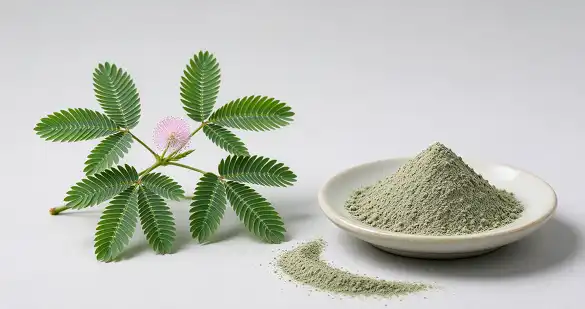
Conclusion
To successfully import Mimosa Pudica Powder, you need to know a lot about the paperwork that's needed, how to check the quality of the product, how to evaluate suppliers, and how to coordinate logistics. Cost-effectiveness and quality assurance must be balanced by procurement workers who have to deal with complicated regulatory systems and build strong supply lines. Strategic source selection that focuses on technical skills, open communication, and regular quality delivery gives businesses a competitive edge by making it easier to get ingredients and help with formulations. Having strict rules for handling and knowing about new rules for importing goods protects the quality of the goods and makes sure that all the people in the supply chain follow the rules.
FAQ
What certifications should I require from Mimosa Pudica Powder suppliers?
Some important certifications are GMP (Good Manufacturing Practices), which shows that the company has quality management systems, ISO 9001, which makes sure that the processes are always the same, and organic certifications (USDA Organic, EU Organic) if the company wants to sell its goods to high-end customers. It is still necessary to have a COA for each batch that checks the amount of active compounds, bacterial limits, heavy metals, and chemical residues. This is true even if the facility is certified. For pharmaceutical uses that need to follow pharmacopeial standards, suppliers that offer USP or EP-grade compliance give users even more peace of mind.
How do I determine the appropriate MOQ for my business scale?
Find the monthly consumption needs based on expected product sales and the rate of formulation incorporation. To find a reasonable order quantity, multiply the monthly usage by three to six months. This will help you balance the costs of keeping inventory with the discounts that come with buying in bulk. Small businesses releasing new goods can test the market without spending a lot of money if their sellers offer 25 to 50-kilogram MOQs, enabling market testing without excessive capital commitment. Established brands whose demand patterns are more stable can save money by placing 200 to 500 kilogram orders and getting volume discounts.
What safety precautions apply when handling imported botanical powders?
As a standard safety measure, workers should wear masks to protect their lungs from tiny particles, gloves to protect their skin, and make sure that working areas have enough airflow. Following OSHA's safety rules for handling particles at work protects workers' health. Labeling storage cases correctly with the names of the ingredients, batch numbers, and handling instructions helps keep things organized and trackable. Cross-contamination risks can be avoided by keeping handling tools clean and setting aside separate processing lines for tasks that are sensitive to allergens.
Partner with KH for Premium Mimosa Pudica Powder Supply
KH provides botanical products that meet the high standards needed by companies that make food supplements and nutraceuticals. From certified planting bases to final product delivery, our Mimosa Pudica Powder supplier makes sure that the quality is controlled at every step of the way. This makes sure that the active compound concentrations are always the same and that the powder is reliable from batch to batch. We use pure water or food-grade ethanol for natural extraction, which gets rid of harmful solvent residues while keeping the bioactive integrity. As part of regulatory compliance, each shipment comes with full traceability documentation, detailed HPLC analysis reports that show phytochemical profiles, and full contaminant screening results. Our application laboratory offers help with formulating better, checking for stability, and unique compounding solutions that are made to fit your needs. We are your strategic sourcing partner instead of a transactional seller because we have in-stock items that can be delivered in 3 to 5 business days for standard orders and flexible MOQ choices that can work for companies of all sizes. Email our team at info@kingherbs.com to get samples, talk about your manufacturing needs, and find out how our technical know-how and dedication to quality can help you improve your supply chain and speed up the development of your products.
References
1. United States Food and Drug Administration. (2021). "Guidance for Industry: Dietary Supplements - New Dietary Ingredient Notifications and Related Issues." FDA Center for Food Safety and Applied Nutrition, Washington, DC.
2. European Medicines Agency. (2020). "Quality of Herbal Medicinal Products and Traditional Herbal Medicinal Products." Committee on Herbal Medicinal Products, Amsterdam, Netherlands.
3. American Herbal Products Association. (2019). "Botanical Safety Handbook: Guidelines for the Safe Use and Labeling of Herbal Ingredients." CRC Press, Boca Raton, Florida.
4. World Health Organization. (2022). "WHO Guidelines on Good Agricultural and Collection Practices for Medicinal Plants." WHO Press, Geneva, Switzerland.
5. United States Pharmacopeial Convention. (2023). "USP-NF General Chapter <561> Articles of Botanical Origin." United States Pharmacopeia 46 - National Formulary 41, Rockville, Maryland.
6. International Organization for Standardization. (2021). "ISO 20488:2018 - Online Consumer Reviews - Principles and Requirements for their Collection, Moderation and Publication." International Organization, Geneva, Switzerland.
Send Inquiry
Related Industry Knowledge
- Bamboo Leaf Extract Extraction Technology Explained for Buyers
- Why Do Manufacturers Prefer Standardized Nettle Extract Powder?
- How Does White Willow Bark Extract Powder Help Reduce Inflammation?
- How Fast Does Bitter Melon Extract Powder Deliver Benefits?
- About White Willow Bark Extract- Beauty Benefits
- Onion Extract Benefits You Can’t Ignore in 2026
- How to Use Bacopa Monnieri Extract Powder Effectively?
- Bacopa Monnieri Extract Powder for Stress Relief?
- What Does A Mulberry Leaf Look Like?
- China TCM Ingredient Guide: White Paeony Extract For Global Beauty Brands