_1762508637542.webp)
Best Mimosa Pudica Powder for Supplements: Quality Checklist
Oct 8, 2026
Selecting the best Mimosa Pudica Powder for supplement manufacturing demands a methodical approach to quality verification. This plant-based ingredient comes from the delicate Mimosa pudica plant. It is commonly used in nutrition products because it is good for you and has bioactive substances. Quality testing, standardising active ingredients, and safety certifications must be at the top of procurement managers' lists when they look at providers. This is how they can make sure that every batch is the same. The best powder has small bits, breaks down quickly, and has been checked to make sure it doesn't contain any dangerous heavy metals, chemicals, or bacteria. Brands can be sure that this plant powder meets all legal and customer safety standards because it goes through strict quality checks before it is sold. After that, it can be put properly into different kinds of supplements.
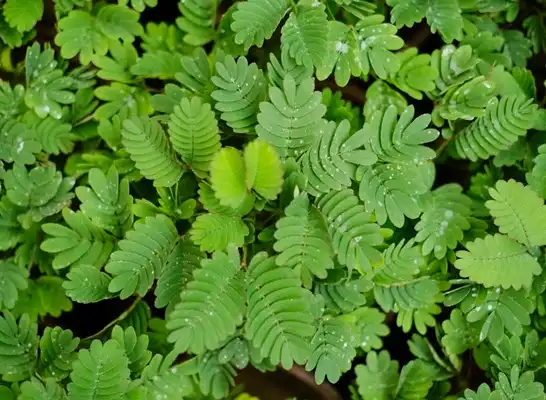
Quality Parameters: What Defines the Best Mimosa Pudica Powder?
There are measured quality attributes that make premium botanical products stand out. These quality attributes affect both safety and effectiveness. The best Mimosa Pudica Powder has consistent physical properties, known chemical profiles, and proof that it is free of impurities.
Purity and Contamination Testing
The basis of quality assurance is strict testing methods. Heavy metal testing should show that the amounts of lead, arsenic, cadmium, and mercury are well below the USP guidelines. Pesticide residue testing is needed to show that agricultural standards are being met, especially if organic certification is being claimed. Microbial testing makes sure that the amounts of yeast, mold, and pathogenic bacteria on the plates are within the acceptable ranges for raw supplement ingredients.
When extraction methods are used, solvent residue testing becomes more important. Chemical solvents that leave behind bad leftovers are avoided by the best providers, who instead use water or food-grade ethanol for extraction. This method of natural extraction gives better dissolution rates and cleaner color profiles in finished formulations.
Certification and Compliance Standards
Certifications provide objective proof of how things are made. Organic approval from the USDA or a similar international body proves that the crops were grown without using synthetic fertilizers or pesticides. GMP (Good Manufacturing Practice) certification shows that a company follows quality systems that keep products from getting contaminated and make sure that they can be tracked. When it comes to environmental and quality management systems, ISO certifications give you extra peace of mind.
Following pharmacopeial standards like USP and EP makes an ingredient more trustworthy, especially when it comes to pharmaceutical or clinical nutrition uses. These monographs set standards for identity, purity, and strength that back up quality claims and regulatory submissions.
Physical and Chemical Characteristics
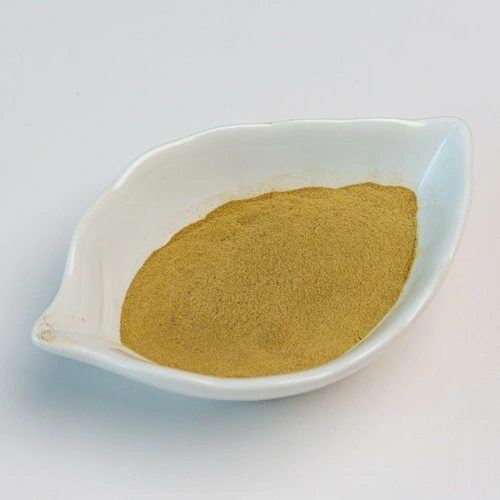
A visual check can show you important things about the quality. Premium Mimosa Pudica Powder is a constant light brown to tan color that doesn't have any dark spots or discoloration that could mean it's been tampered with or broken down. The usefulness is affected by the particle size distribution. In pill or powder blend formulas, smaller mesh sizes usually improve dissolution and bioavailability.
Chemical research using HPLC (High-Performance Liquid Chromatography) can identify the active ingredients by their unique fingerprints. The best providers give formulation experts batch-specific HPLC records with compound profiles that let them check the identity and potency of ingredients. To keep microbes from growing during storage, the moisture content should stay below 8%. At the same time, the product should still be flexible enough to avoid becoming too brittle.
Comparing Mimosa Pudica Powder with Alternatives
Different ways of processing ingredients produce different forms, and each has its own benefits for supplement making. Knowing these differences helps you make the best choice for your design goals.
Powder Versus Extract Considerations
When you buy pure Mimosa Pudica Powder, you're getting the whole plant broken down into tiny bits that still have all of the naturally occurring chemicals. Brands that focus on minimally processed ingredients and full botanical complexity will like this whole-herb approach. Concentration methods raise certain active compounds, which usually means that the extract has more power per unit weight.
Mimosa Pudica Powders usually have better price and more formulation options because they can be easily mixed into capsule or tablet forms without any extra work. Extracts provide uniform actives that make figuring out doses easier and allow for smaller serving sizes. The choice rests on what the target market wants, what the label claim goals are, and how the product can be made. Many nutraceutical brands like powders because they are clear and don't have a lot of extraneous ingredients. On the other hand, clinically-focused formulas may prefer standardized extracts because they give the active ingredient more precisely.
Comparative Analysis with Similar Botanicals
The market for herbal supplements has a lot of different kinds of products that can help with detoxification and digestive health. Black walnut hull powder and wormwood extracts are often used together to get rid of parasites. They are often mixed with Mimosa Pudica Powder to make the effects stronger. Both psyllium husk and bentonite clay clean the body through fibers, but they do so in different ways.
When mixed with water, Mimosa Pudica Powder has a special property that makes the fibers stick together. Traditional healers believe this is because it has cleansing properties. The way this property works physically is different from how psyllium forms bulk or how clays absorb water. When you compare the quality of these options to others, you have to look at how well they dissolve, how well they work with other parts of the formula, and how well they fit with certain health positioning strategies.
Supplier Transparency and Quality Benchmarks
Some of the best plant ingredient sellers set themselves apart by keeping detailed records. The best partnerships give you access to detailed specification sheets, records of analysis for each batch, and paperwork that shows how the finished powder can be tracked back to the farms that produced it. European companies that make health foods and cosmetics have put a lot of emphasis on batch-to-batch consistency because they know that changing ingredients can make it harder to keep formulations stable and file with regulators.
Transparency from suppliers also includes telling customers about the ways that products are handled, tested, and processed that affect the final quality. This method is used by Kingherbs Limited, which has end-to-end tracking tools that keep track of ingredients from controlled planting bases to the final powder production. This level of supervision gets rid of the quality changes that happen when yoa u get ingredients from a collection of commodity channels.
Procurement Considerations: How to Source the Best Mimosa Pudica Powder
A good procurement strategy strikes a balance between the need for quality and the facts of running a business. This makes sure that there are reliable supply lines that meet production schedules and budget limits.
Supplier Verification Checklist
Checking credentials is the first step in doing your due research. Ask for up-to-date GMP certificates, ISO paperwork, and, if necessary, organic certifications. Look over audit reports from a third party that rate the quality of systems and the condition of the building. Client reviews from well-known supplement brands show that the brand is trustworthy and skilled.
Sample review is an important step in the proof process. Ask for typical samples and the records of analysis that go with them. Then, test the samples yourself or have someone else do it to make sure they meet the requirements. Check how well the Mimosa Pudica Powder dissolves, how it tastes, and how well it works with the recipe patterns you're using. The practical aspects that specifications alone might not show are brought out by this hands-on test.
Logistics and Minimum Order Considerations
Where you are in the world has a big effect on lead times and shipping costs. When compared to direct-from-origin shipping, suppliers with US warehouses can deliver samples faster and charge less for freight. Kingherbs Limited keeps its logistics services simple so that samples and stored items can be delivered in three to five business days. This meets the needs of rapid R&D operations that need to turn things around quickly.
Minimum order amounts can affect cash flow and product management, especially for small to medium-sized businesses that are trying out new recipes. Look for suppliers who will take trial orders so you can see how the market reacts before you commit to large-scale purchases. MOQ rules that are easy to change encourage new ideas and lower financial risk during the product creation process.
Pricing Factors and Value Analysis
Mimosa Pudica Powder prices depend on a lot of things, like whether it is organically certified, how hard it is to process, how strict the testing rules are, and where it is in the supply chain. Most of the time, organic certified powders cost 20–30% more than conventional ones. This is because they cost more to grow and certify. Extraction and standards add more levels of cost, but they help concentrate things.
Value evaluation goes beyond price per kilogram. Figure out the total landed costs, which should include freight, customs duties, and the cost of quality control. Take into account the value of professional support. Suppliers who offer formulation help and stable testing services can help you save money by offsetting the higher prices of ingredients. Long-term supply reliability keeps output from stopping, which costs a lot of money. This is an added value that is hard to measure but necessary for business stability.
Practical Application Tips for Supplement Manufacturers
Product launches that go well rely on well-thought-out recipe design and strong quality control systems that make sure customers have the same experience with each production batch.
Optimal Dosage and Formulation Strategies
Mimosa Pudica Powder is often found in supplement forms at doses ranging from 500 mg to 2,000 mg per serving, based on the benefits that are wanted and the way that the supplement is taken. Standard size 0 or 00 capsules hold 400 to 600 mg of powder each, so capsule formulas work well with these amounts. Multi-capsule servings let you take higher doses without making the pills harder to swallow.
Powder mixes give you the option of drinking them straight or mixing them with water or other drinks. The powder has a mild earthy flavor that goes well with fruit flavors or neutral carriers. When compressing tablets, it's important to pay attention to their flow and binding properties. Use the right excipients to meet the hardness requirements without slowing down the disintegration times.
Quality Control Best Practices
For batch-to-batch consistency, the raw materials that are brought in must be carefully inspected. Set acceptable standards that include how the Mimosa Pudica Powder looks, how the particles are distributed in size, how much water is in it, and the active compound profiles. Lots that don't meet standards should be rejected before they go into production. This will stop costly batch failures.
Control the surroundings while the product is being made to stop cross-contamination and the growth of microbes. Powder stays stable for a long time when it is stored in climate-controlled places that keep the right temperature and humidity levels. Verification testing done on a regular basis during storage times finds signs of decline before they affect the quality of the finished product.
Communicating Quality to End Markets
In busy markets, expensive supplement brands stand out through clear, high-quality communication. Offering a certificate of analysis, having third-party testing confirmed, and giving clear information about where the Mimosa Pudica Powder came from all boost consumer confidence. Label claims backed up by ingredient certifications, like organic status, non-GMO proof, or GMP production, show that the product is of good quality.
Educative content that explains quality parameters helps people see value in products and services beyond just comparing prices. Informed customers looking for proof to support their buying choices are interested in detailed descriptions of testing procedures, sourcing practices, and processing methods. This method fits with clean label trends that stress clear labeling of ingredients and honest production.
Conclusion
To find the best Mimosa Pudica Powder, you need to carefully look at the purity tests, certifications, and technical skills of the suppliers. Good botanical ingredients have quantifiable traits like the right particle size, confirmed active chemical profiles, and proof that they are free of contaminants. A good procurement process combines these quality requirements with practical ones, like making sure that logistics run smoothly, allowing for flexible minimum orders, and giving customers easy access to technical support. Manufacturers who put strict quality checks at the top of their list during the selection of ingredients, development of formulations, and production processes set up their brands for legal compliance and market success. Investing in high-quality plant ingredients pays off by making products more effective, building trust with customers, and giving companies a way to stand out in the growing nutritional market.
FAQ
How can I verify organic certification for Mimosa Pudica Powder?
For real organic certification, you need proof from a known certifying body, like the USDA Organic, the EU Organic, or a foreign authority with the same authority. Ask for copies of current certificates that list the exact product and use certifier databases to make sure the certificates are still valid. Third-party lab tests can prove that there are no synthetic pesticide residues, which would go against organic claims. This is extra proof on top of certification papers alone.
What distinguishes powder from extract forms?
Mimosa Pudica Powder is made from whole plants that have been ground into small particles. It still has all of the plant's compounds in their original amounts. Concentration processes separate out specific active ingredients from extracts, which usually results in higher potency per unit weight. Powders have the benefits of the whole herb and are easier to process, while extracts have standardized actives that make it easier to figure out the right dose and make serving sizes smaller.
What safety considerations apply to Mimosa Pudica Powder?
When used at the recommended doses, quality Mimosa Pudica Powder from reputable suppliers has great safety profiles. Full tests should show that the amount of heavy metals is below the allowed levels, that there are no pesticide leftovers, and that the number of microbes is okay. Manufacturers should include usage instructions that talk about the right groups of people to use their products and suggest that people with certain health conditions or medication schedules talk to their doctors.
Partner with KH for Premium Mimosa Pudica Powder Supplier Solutions
Kingherbs Limited provides plant ingredients that meet strict quality standards and work well with technical partners to solve the most important problems supplement companies are having right now. Our Mimosa Pudica Powder comes from carefully managed plantations, so the active ingredient profiles are always the same. This means that there is no batch variation, which can make product stability and regulatory compliance harder. We get better dissolution rates and clean color profiles without dangerous solvent leftovers when we use pure water or food-grade ethanol for natural extraction.
We include full HPLC analysis reports with every batch, which give you the information you need to make smart decisions about formulation. Our application laboratory helps your development teams by giving them tips on compounding, making formulations work better, and checking their safety across a range of delivery systems. You can get samples within three to five business days, which speeds up your R&D timelines. You can also order in smaller quantities for trial batches or as needed for larger production runs. Email our team at info@kingherbs.com to ask for samples or to talk about custom formulation requirements that will help your product stand out in a crowded market.
References
1. Journal of Ethnopharmacology (2018). "Phytochemical Analysis and Biological Activities of Mimosa pudica: A Comprehensive Review." Volume 225, Pages 106-124.
2. American Herbal Pharmacopoeia (2020). "Mimosa pudica Root: Standards of Analysis, Quality Control, and Therapeutics." Botanical Monograph Series, Scott's Valley, California.
3. International Journal of Pharmaceutical Sciences and Research (2019). "Standardization and Quality Control Parameters for Herbal Powders in Dietary Supplements." Volume 10, Issue 7, Pages 3201-3215.
4. United States Pharmacopeia (2021). "General Chapter 561: Articles of Botanical Origin - Quality Attributes and Test Methods." USP 44-NF 39, Rockville, Maryland.
5. Nutraceutical Business Review (2022). "Global Sourcing Strategies for Botanical Iprofilets: Quality Assurance and Supply Chain Management." Industry Report, London, United Kingdom.
6. Journal of AOAC International (2020). "Heavy Metal and Pesticide Residue Analysis in Herbal Dietary Supplements: Methods and Regulatory Considerations." Volume 103, Issue 4, Pages 1052-1068.
Send Inquiry
Related Industry Knowledge
- Where to Buy Isatis Root Extract: Importer’s Sourcing Guide
- Why Choose Natural Ferulic Acid for Antioxidant Formulas?
- Why Is Avocado Refined Oil Popular With Professional Chefs?
- Saw Palmetto Extract Powder vs. Extract: Which Is Best?
- How Does Blueberry Extract Powder Support Immune Function?
- What Is Isatis Root Extract? Uses and Functions
- How Couch Grass Rhizome Extract Boosts Kidney Function?
- Mulberry Leaf Extract Powder vs White Kidney Bean Extract
- How Mango Leaf Extract Powder Supports Blood Sugar Balance?
- Why Japan Chooses China’s Purple Sweet Potato Natural Food Colorant?