
Why Choose Macleaya Cordata Extract for Natural Product Development?
Nov 19, 2026
Why should Macleaya cordata extractbe selected for natural product development? For formulators, it means a plant-derived substance containing quantifiable active ingredients. Macleaya cordata extract is extracted from the pod of Macleaya cordata (Willd.) R. Br. (plume poppy) [1]. It contains isoquinoline alkaloids such as sanguinarine and chelerythrine. Our version is a fine orange-red powder that has been tested by HPLC so you can compare batches on data, not guesswork. It's applicable in animal feeding, personal care, and plant protection programs. In this article, I will describe the chemistry, manufacturing, safety inspections, and sourcing stages so your team can decide with confidence.
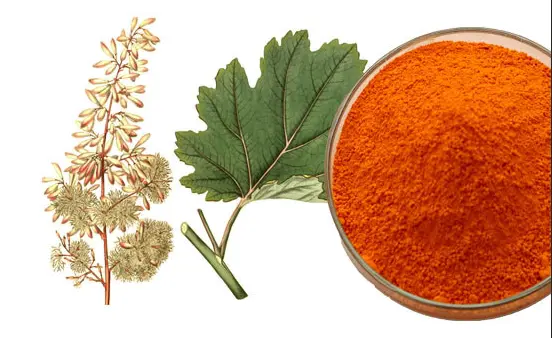
Macleaya Cordata Extract: Botanical Identity, Active Compounds, and Product Forms
Botanical Identity and Plant Part
The most crucial thing is to recognize it correctly. Macleaya cordata (R. Br.) is a perennial plant of the poppy family, which grows tall each year, and is popularly called plume poppy. Some species are related, e.g., Macleaya microcarpa. The chemical makeup may vary across species, plant parts, and where the plant is cultivated. Always specify the particular species and plant part on the purchase order. The pod is where the Macleaya cordata extract is taken. The herb has been utilized for centuries in traditional medicine. Today, the chemicals in the plant are measured using HPLC. Also, with a comprehensive record of the plants, your quality team can trace any batch back to its source more quickly.
Total Alkaloids, Chelerythrine, Sanguinarine
Sanguinarine and chelerythrine are two distinct isoquinoline alkaloids. These are quaternary benzophenanthridine alkaloids. They are marker molecules that are monitored by professionals. In 2010, Fitoterapia reported research on the plant Macleaya cordata that linked these alkaloids to the capacity to destroy microorganisms. Our macleaya cordata extract is sanguinarine 0.15%-80% and total alkaloids 60%-80%, HPLC test. This is a broad range, so check the spec sheet to make sure you have the proper grade. When comparing bids, don't simply look at the price per kilogram, but verify the concentration of marker chemicals.
Product Form & Packaging
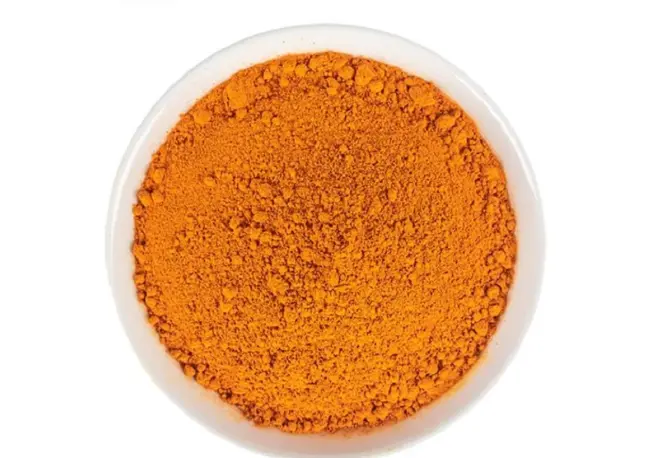
We sell a fine, orange-red powder that is Macleaya cordata extract. Easy to transport and to mix and measure as a powder. Compatible with chewables, dry mixes, and other solid systems. When you go for a commercial order, you have to order at least 25 kg in a drum. We provide samples and modest trial orders in kilos for those who wish to play with an idea. We maintain a supply of them so they may be shipped out fast. You may mail your orders via express, air, or ocean freight. Generally, it takes 3-5 business days to ship out samples and regular products in stock. Small shipments are transported by courier, urgent goods by air, and bigger cargoes via ocean.
Key Reasons to Choose Macleaya Cordata Extract for Natural Product Development
A Plant-Based Alternative to Synthetic Additives
Many teams want their recipes to have less synthetic material in them. Macleaya cordata extract comes from plants and has a clear alkaloid profile. In the field of animal nutrition, it is used in feeding programs without antibiotics. There was a review of phytogenic feed ingredients for both pigs and chickens in the Journal of Animal Science in 2008. The review said that results can vary between studies, which is why standardization is important. A standardized extract gives you a number to keep track of. You and your team can choose a target level of sanguinarine, test each batch, and change the dose based on the marker content instead of the weight.
Documented Antimicrobial and Anti-Inflammatory Activity
Macleaya cordata extract and its compounds have been demonstrated in the lab to destroy bacteria. There was also a 2016 investigation of the biological activity of sanguinarine in the International Journal of Molecular Sciences. It was said to destroy microorganisms and reduce inflammation, for example. Let's be clear. Lab findings aren't necessarily what you get in the final product. Test-tube figures are encouraging, and studies with certain species are showing how it truly works. Research in the Journal of Applied Poultry from 2008 found that researchers tested substances containing organic acids comparable to sanguinarine in broilers. Before you start building your own validation strategy, you should look at that sort of job done in live creatures.
Uniform Quality and Traceability
"Does it work or not?" boils down to the consistency of a botanical element in manufacture. KH collaborates with planting bases to monitor soil, plant kind, and harvest time. This ensures that the active substance is the same from the outset. We've been creating a lot of plant-based things since 1996. Complete HPLC analytical report of each batch of macleaya cordata extract. We exclusively utilize clean water or food-grade ethanol to manufacture the extract. No harmful solvents. This product is FDA, KOSHER, HALAL, HACCP, ISO9001, FSSC22000 certified. These specifications assist your QA and procurement teams in generating a clean, approved file and minimizing lot-to-lot issues.
How Macleaya Cordata Extract Is Made and Standardized
From Pod to Powder
The procedure of manufacturing the extract begins with pods that have been validated and are from regulated planting bases. First, the pods are cleaned and prepped to remove the substance. Then we extract it with purified water or food-grade ethyl alcohol. The liquid is filtered, concentrated, and dried to a fine orange-red powder. Higher grades of alkaloids need more enrichment stages. The surviving molecules depend on the solvent, temperature, and drying time. Each stage, therefore, modifies the final profile. Ask any supplier for a process overview and a solvent statement. Solvent safety is the most critical aspect since residual solvents are severely restricted in topical and oral products.
Documentation and batches HPLC testing
HPLC can separate the compounds in a sample and then quantify the amount of each. The figures for sanguinarine and total alkaloids are reported as real values, not estimations. HPLC report is available for every batch. You should look at the method, the marker values, and the batch number. Then verify them against the specification. A certificate of analysis validates certain batch parameters but is not a substitute for toxicological data or regulatory records. Tell us the tests your QA team needs — moisture, pollutants, microbiological limits. Please also inform us of the standards you follow, i.e., USP or EP, so we can see which one pertains to your grade.
Storage and Shelf Life Validation
All these -- air, heat, moisture, and light -- may upset the powder. Maintain drums away from direct sunlight. Store in a cool, dry area and keep sealed. Each drum has 25Kg. Request the shelf-life statement and validate it by your stability test for your grade. This is extremely critical if you are intending to blend the powder into a pill, topical cream, or premix base. Other additives or the heat of processing may vary the outcomes, and only your experiment can prove them. We have the instruments in our application lab to help support that check, assessing the stability of drinks, gummies, pills, cosmetic products, and other systems.
Applications of Macleaya Cordata Extract and Comparison with Other Ingredients
Animal Nutrition and Aquaculture
The most famous usage is feed. Macleaya cordata extract is being investigated as a gut health modulator in the diets of pigs, poultry, ruminants, and aquaculture and as an alternative to programs that utilize antibiotics. It also helps immunity and antioxidant aims. Do not use generic web charts; rather, build the dosage from the validated sanguinarine value of your grade. In a pilot, you should look at uniformity of mixing, palatability, and pellet conditions. In the United States, feed ingredients are regulated by the FDA and state feed authorities, and they utilize AAFCO criteria. Check the regulatory pathway for your substance prior to launch.
Agriculture & Personal Care
The extract has been used by formulators in dental care products, skin care solutions for acne and oily skin, and as a booster for natural preservation. It functions as a botanical crop protection product in agriculture and as a plant strengthener that enhances natural defenses. It is frequently used by researchers in scientific investigations of cellular processes. Caution is needed in such usage. Regulators and researchers are concerned about sanguinarine in oral products. Check the literature beforehand. Pesticide claims are regulated by EPA guidelines in the US. Design the label. Before that, line up each claim to the correct agency.
Option Comparison
Macleaya cordata extract is not a drop-in substitute for pure sanguinarine, Macleaya microcarpa extract, essential oils, or organic acids. They all have different chemistry, proof, documentation, and standards. One constituent is pure sanguinarine; the other is a profile containing total alkaloids from the plant extract. Flavor & Fragrance Journal (2010) Review: Essential oils in animal feeding. They behave differently from alkaloids. Compare the choices on cost per effective dosage, regulatory approach, and existing data. Then do a side-by-side pilot since paper comparisons seldom anticipate how a component would perform in your own matrix.
Safety, Regulatory Checks, and Choosing a Macleaya Cordata Extract Supplier
Safety and Toxicology Review
Safety depends on the extract, the dosage, the species, contaminants, and the method of exposure. Sanguinarine is a bioactive alkaloid; therefore, treat the powder with care. Read the Safety Data Sheet and prepare for dust control, ventilation, gloves, eye protection, and spill precautions before sampling or repacking. Ask for any accessible acute and repeated-dose toxicity data, including tolerance studies in your target species. Natural origin does not equal safe. Do not copy figures from the internet. Determine your own dosage range based on your own validated studies and regulatory guidance.
U.S. Regulatory Diligence
Rules vary per type of goods. Cosmetics are under FDA control; pesticides are under EPA. Dietary supplements are under DSHEA, and feed additives follow FDA and AAFCO routes. One extraction might have multiple distinct routes. Before you commit, put out your target category, claims, and destination states and have them reviewed by a knowledgeable regulatory professional. Ask the supplier for specifications, batch HPLC report, certifications, and export paperwork. Verify the certificate scope, validity, and production location. KH may share the documentation and certifications provided for this item to provide your regulatory team a starting point.
Choosing a Supplier and Making Your First Purchase
Short checklist: verify species and plant part, check the spec, test a sample, run a pilot, then sign off on the initial order. Compare samples with the same marker content, including testing and shipping fees. KH is not just a vendor but a technical partner. We are a one-stop source for extracts, chemicals, and vitamins; we give application lab help for formulation and stability, and we provide bespoke blends with specific ratios or functions. Finished goods are offered solely as softgels. Start with a sample or small trial order and then, after your data looks appropriate, progress to a 25-kilogram commercial purchase.
Conclusion
Macleaya cordata extract is a plant-based substance that includes detectable quantities of alkaloids, principally sanguinarine and chelerythrine in the pod of Macleaya cordata. The value of this component is based on confirmed species, marker content validated by HPLC, and clean extraction using water or food-grade ethanol. Research on antibacterial and anti-inflammatory action is promising, but only species-specific experiments demonstrate meaningful efficacy in feed, personal care, or crop protection. Comparisons to pure sanguinarine, essential oils, and organic acids should be made based on cost per effective dosage and regulatory approach. Before launch, examine safety, handle powder carefully, and comply with U.S. category regulations from FDA, AAFCO, and EPA. Traceable sourcing, batch documentation, samples, and technical assistance reduce sourcing risk and simplify the approval process.
FAQ
What is the minimum order for macleaya cordata extract?
Commercial orders start at 25 kg, packed in 25 kg drums. We also accept samples and small trial orders in kilograms, so you can test the powder before a larger purchase.
How fast do samples ship?
Samples and regular in-stock items usually dispatch within 3–5 business days. We ship by courier, air, or ocean freight, depending on volume and urgency.
What documents come with each batch?
Every batch includes a detailed HPLC analysis report. We also share the product specification and the certifications listed for this item: ISO9001, FSSC22000, KOSHER, HALAL, HACCP, and FDA. Tell us which other documents your QA team needs.
Which solvents do you use for extraction?
We extract with pure water or food-grade ethanol and never use harmful solvents. This keeps the powder clean and supports fast dissolution.
Can you customize a formula?
Yes. Our application lab can build compounding solutions with specific ratios or functions and support stability testing. Finished products are available only as soft capsules.
Request Macleaya Cordata Extract Samples and Specifications from KH
Ready to test macleaya cordata extract in your own formula? KH is a macleaya cordata extract supplier with ready stock, HPLC-backed batches, and an application lab that supports your trials. Send your target application, grade, and volume to info@kingherbs.com, and our team will reply with a specification, sample details, and a quotation.
References
1.Fitoterapia (2010). Phytochemical and antimicrobial characterization of Macleaya cordata herb.
2.International Journal of Molecular Sciences (2016). Sanguinaria canadensis: Traditional Medicine, Phytochemical Composition, Biological Activities and Current Uses.
3.Journal of Animal Science (2008). Use of phytogenic products as feed additives for swine and poultry.
4.Journal of Applied Poultry Research (2008). Performance of broilers fed diets supplemented with sanguinarine-like alkaloids and organic acids.
5.Flavour and Fragrance Journal (2010). Essential oils and aromatic plants in animal feeding – a European perspective. A review.
6.AAFCO Official Publication (2024). Association of American Feed Control Officials.
Send Inquiry
You may like