
What Should Buyers Check Before Ordering Purple Sweet Potato Extract in Bulk?
Nov 3, 2026
Every week I receive the same question from procurement teams. What should buyers verify before obtaining purple sweet potato extract in bulk? The simple answer is that you need to verify anthocyanin potency, test techniques, certificates, batch traceability, and sample performance before you sign a purchase order. This article will take you through each check step using actual specification data, a supplier comparison methodology, and a brief case study from a nutraceutical brand that identified a mislabeled extract before it went into production. When you’re done, you’ll have a checklist you can provide your quality team today.
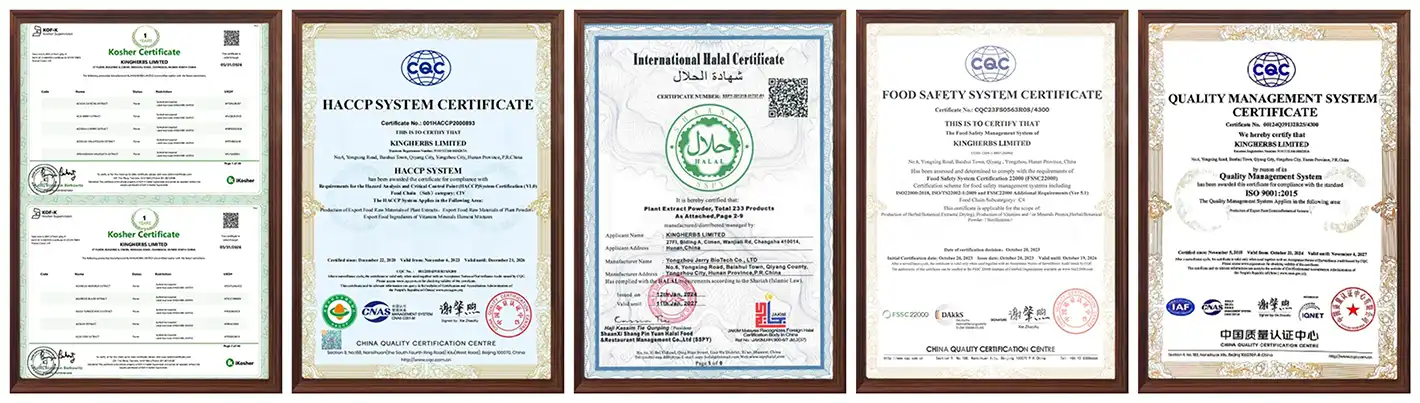
Need a validated spec sheet before comparing quotes? Kingherbs Limited (KH) has purple sweet potato extract with 5% and 10% anthocyanins by HPLC. The company has ISO 9001, FSSC 22000, Kosher, Halal, and EU/USDA organic certifications. For batch-specific COA and sample price from a direct purple sweet potato extract producer, please contact our team at info@kingherbs.com.
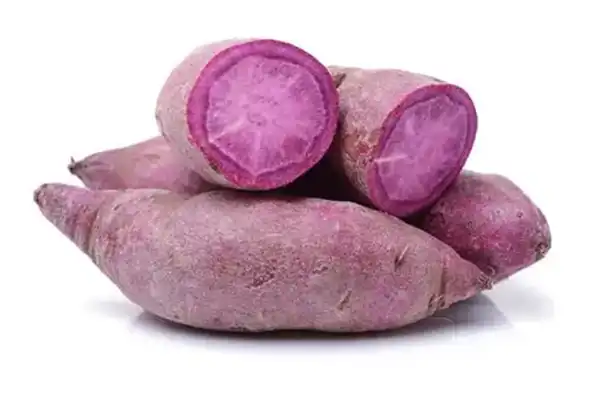
What Specifications Should Buyers Confirm for Purple Sweet Potato Extract?
Definition and Scope of Purple Sweet Potato Extract
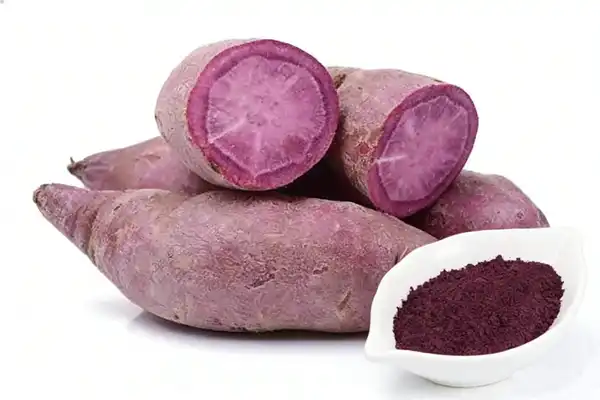
The fruits and roots of a plant named Ipomoea batatas are purple in color. Here you may discover purple sweet potato extract. You may process the root to extract beneficial compounds and color from it. It transforms into a nice purple powder. Then the items are dried and fitted together. This is not the same as purple sweet potato powder. Purple sweet potato powder is less colored and more of dried entire roots. It is not the same as pure anthocyanin powder that extracts the pigment at a much greater proportion for applications where color is critical, or juice concentrate which retains more of the sugar and water. Before you order, know the scientific name, what section of the plant was utilized, what nation it comes from, and how much was harvested.
Core Product Specifications to Request
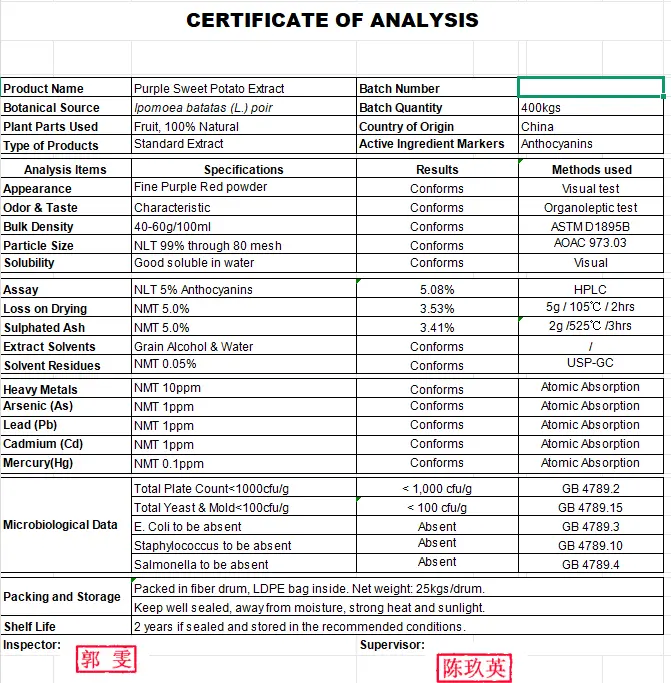
Before you ask for a price, make sure the following is written down by the supplier:
| Specification | Buyer Verification Point |
|---|---|
| Botanical name | Confirm the declared plant species and raw material identity |
| Form | Powder, liquid, granule, or encapsulated extract |
| Anthocyanin content | State minimum percentage and test method |
| Extract ratio | Identify raw-material-to-extract ratio, if used |
| Carrier | Confirm maltodextrin, gum acacia, or carrier-free status |
| Appearance | Color, odor, and physical form |
| Moisture | Maximum moisture or loss-on-drying limit |
| Solubility | Water-dispersibility and application-specific performance |
| pH stability | Relevant range for beverages, foods, and supplements |
| Shelf life | Minimum remaining shelf life at shipment |
| Storage | Temperature, humidity, light, and packaging requirements |
They can set an internal acceptance range based on these eleven key points before the first package comes in. They won't have to look for a place to put the drum once it's inside the building.
Application and Use-Case Requirements
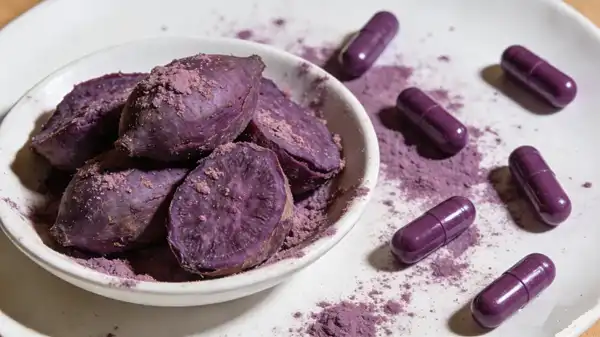
One thing OEM supplement manufacturers want when they acquire capsules or tablets is a uniform anthocyanin proportion. This is often about 5-10 percent. And they require a clear declaration on allergies and supplement-grade paperwork to back up the Supplement Facts panel. The dosage is calculated using the strength number on the COA.
If you create food or beverages, you have to look at more than one strength number. They also check the color shade at the level of use, the degree of dissolution in water, the stability of the pH over time, the change in taste at the dose of color, and, finally, they check the possibility of legal use of the ingredient in the end product as a coloring or functional ingredient.
If you’re selling to a small firm, your items need to have a longer shelf life, complete export paperwork, multiple forms of packaging, and the identical specs for every batch. No changes will be seen by buyers after this.
Industry people want consistent dosing, confirmation the product will function with the processing equipment they have, and easy access to a technical person who can answer questions regarding formulation without having to go through three layers of sales personnel.
Many who purchase in bulk receive the incorrect spec sheet. A supplement line may take a food-grade purple sweet potato extract, and a drink with a specified pH-stable color may take a supplement-grade extract.
How Can You Verify Anthocyanin Content and Extract Potency?
Anthocyanin Content and Standardization
The brightness of the color is not a measure of the amount of active pigment in the drum. Two groups may have the same purple fruit color, but one may contain 30% less anthocyanin than the other. The color may be the same, but the strength may vary depending on the quantity of water, the ratio of the carrier, or pigments that have broken down. On the spec sheet, what’s the number? I ask every service provider. All the anthocyanins, you mean? The anthocyanin content is expressed as equivalents of cyanidin-3-glucoside, which is a standard reference material. They should also include the reporting unit, the guaranteed minimum value, the actual batch result, and the name of the lab that performed the test. You can't declare something contains "5% anthocyanin" if you don't know these five things.
Suitable Analytical Methods
As individuals look at various lab findings, they will notice a variety of different test procedures. The following each one says:
- HPLC or UPLC (high-performance or ultra-performance liquid chromatography) will separate out individual anthocyanin compounds such as cyanidin and peonidin derivatives, giving you a compound-by-compound breakdown instead of one combined number that is important if your formulation depends on a particular pigment profile.
- Total monomeric anthocyanins are quantified using a validated UV-Vis or pH differential approach, which compares light absorption at two pH levels and is suitable for routine batch release testing when a comprehensive chemical profile is not reqthat uired.
- Identity testing – fingerprinting, microscopy, or chromatographic comparison against a reference standard – ensures the raw material is indeed Ipomoea batatas and not a cheaper alternative colored to match the anticipated purple hue.
One approach to separate distinct anthocyanin molecules is using HPLC or UPLC, which stands for “high-performance” or “ultra-performance” liquid chromatography. Now, instead of a number, there's a list of all the compounds. This is useful if your recipe has to adhere to a certain color profile.
UV-Vis or pH difference tests may be performed for a long period to determine the total monomeric anthocyanins. You measure the light absorbed at two different pH levels to make it work. This procedure is suitable when just a tiny quantity of the chemical has to be examined.
Potency Comparison Checklist
First, verify that you are reporting the anthocyanin correctly. You can’t simply compare cyanidin-3-glucoside equivalents to a total monomeric anthocyanin quantity. This is because you must understand how to prepare the sample and how to conduct the test. This is a very essential point, since different chemicals used by purple sweet potato extract manufacturers in the lab might make a major difference in the findings. It is crucial that all suppliers adhere to the same methods for recording the quantities of the carrier and excipient, the same acceptability range, and the retest policy. It is unlikely that service providers would share such testing data, since this has not yet been standardized.
Which Quality Tests Should a Purple Sweet Potato Extract COA Include?
Minimum Batch-Specific COA Fields
How can I know my evidence of analysis is correct? The batch or lot number, the name of the product, the date it was created, and the date it will go bad or need to be tested again. The test result includes a QMS stamp and the name of the test procedure. When commodities are sold across borders, it should be apparent where the items come from, how they should be kept, and that they obey the regulations. If any of these fields are left blank, you should get a fresh copy prior to you signing off on the shipping.
Recommended Chemical and Physical Tests
Using HPLC to verify the correct kind of anthocyanin and the correct quantity, you may be certain that the raw material is purple sweet potato and not a colored duplicate. When the powder comes to the processing line, the following will be done with it: the ash content, pH or color value, the degree of dissolution or spreadability, and the moisture loss or gain after drying. Check for any lingering solvents and pesticides to ensure it is suitable for use in food, vitamins, or make-up. Heavy metals, including lead, arsenic, cadmium, and mercury, may also be present. This is an exam that people should do often, not only when they are getting qualified.
Microbiological and Contaminant Testing
A complete microbiological screen, for instance, screens for yeast and mold. and the total number of bacteria that can survive in oxygen. Both Salmonella and E. Regarding supplements you consume or apply on your skin, E. Now, there are tests for E. coli and Staphylococcus aureus. You could also want testing for aflatoxin and mycotoxin depending on how harmful you believe the product is, and written remarks concerning allergies, GMOs, and irradiation. A COA is merely a sample from a tested batch. This is a good thing to remember if you are new to the industry. It does not replace the need to inspect the items on arrival or to routinely check on the supplier (Codex Alimentarius Commission, 2022).
What Certifications Matter When Sourcing Purple Sweet Potato Extract in Bulk?
Food and Supplement Quality Systems
At the corporate level, food safety may be managed by ISO 22000, FSSC 22000, or BRCGS. HACCP is an acronym for Hazard Analysis and Critical Control Points. It’s a technique to detect and address food safety problems. It demonstrates how a plant deals with specific threats. If you have ISO 9001, you have a broad quality control system. The most crucial item is GMP clearance for goods that are designed to be supplements. EU or USDA organic certification, Kosher, or Halal certification should include the specific location where the product is manufactured, as well as the whole range of purple sweet potato extract manufacturers (not just the parent company’s name).
EU Compliance Considerations
If they wish to sell the extract in the EU, they have to meet all the food, contaminant, and labeling regulations. Also verify if the intended usage or composition of the extract may result in a new food assessment under Regulation (EU) 2015/2283. People in the EU haven’t consumed much of these items since 1997 (European Commission, 2015). Determine if the extract may be used as a food color under Regulation (EC) No. 1333/2008 (European Commission, 2008). If you wish to use it as a color instead of in food, remember this. REACH requires the registration of commercial chemicals. You don’t often have to record food goods in the same manner, but check with the importer.
US Compliance Considerations
In the US, FDA regulations vary according to product intended use. The current Good Manufacturing Practice regulation for vitamins is 21 CFR Part 111 (U.S. FDA, 2023). Those that create vitamins must also make sure the individuals who provide them do the same, including a purple sweet potato extract manufacturer. The food safety regulation based on FSMA (U.S. FDA, 2023) states that all food and drink facilities must read 21 CFR Part 117 to be aware of their obligations for preventive control and supplier verification. Sometimes an ingredient isn’t “food grade” even when it says so on its spec sheet. Be sure that you know the usage category that the item falls under before you order.
Documents to Request Before Approval
If your use case requires it, ask for current copies of the certifications with complete product specifications, a COA for each batch, and a Safety Data Sheet. Add the Technical Data Sheet, allergy and GMO information, a BSE/TSE declaration if applicable, and verification that the source is who they claim they are when they indicate their goods are organic, Halal, or Kosher. Whether interested, customers may also ask the provider whether they support USP or EP compliance if they require pharmacopeia-level documents. Specs are available from certain manufacturers, e.g., KH, that fulfill both requirements. If you purchase a product from another nation, you also need to get documentation from that country and a regulatory statement for the market where you wish to sell the items.
How Do Extraction Methods Affect Color Stability and Product Performance?
Common Extraction and Concentration Approaches
Providers have at least two routes to the purple powder. Some people use water in addition to food-grade ethanol during the extraction procedure to improve the color even further. Then many of them utilize a filter or vacuum to dry the mix. KH only uses water or potable ethanol when they want to pmake urple sweet potato extract. They never use stronger industrial solvents. It’s usually the final one, since it’s fast and inexpensive for a purple sweet potato extract manufacturer. Freeze-drying costs more, but it better preserves heat-sensitive chemicals. There’s no one-size-fits-all approach. Your best option is dependent on your desired potency, tolerance to carriers, and cost per kg.
Factors Affecting Anthocyanin Stability
The most significant factor is the pH level. So a drinker has to examine the color at the pH of the drink. Anthocyanins turn from red to blue at low pH and back to neutral at high pH. Heat, air, and light accelerate the disintegration of pigments in storage as well as while working. Powder stored in a warehouse breaks down faster because it has a lot of water in it. Long processing durations, metal ions, or contact with ascorbic acid or certain stabilizers might cause a color change or a decrease in strength over time.
Stability and Performance Testing
Verify that the color will remain the same after a short period. See whether it changes color in the pH range that your recipe will be at and if it can withstand the heat step you would want to utilize, i.e., steaming, baking, or encapsulating. If the packaging is unclear, check on the solubility after storage to verify whether it still remains the same. If you are using a liquid, watch out for solids or condensation. Also, supplement and other product makers should ensure sure the new ingredients do not react adversely with any minerals, proteins, acids or emulsion systems existing in the base recipe.
Food Grade vs. Supplement Grade: Which Purple Sweet Potato Extract Fits Your Needs?
Grade Comparison
To make sure that food-grade and supplement-grade products are the same, they are put through different tests and kept under different records. The difference is shown in the table below:
| Criterion | Food-Grade Extract | Supplement-Grade Extract |
|---|---|---|
| Primary use | Foods, beverages, coloring, functional products | Capsules, tablets, powders, nutraceutical formulas |
| Key performance needs | Color, solubility, taste, processing stability | Potency, dosage consistency, purity, formulation compatibility |
| Documentation | Food safety and additive-use documents | GMP, supplement compliance, dosage-related documentation |
| Testing focus | Microbiology, contaminants, color, stability | Potency, identity, contaminants, batch consistency |
| Labeling | Food ingredient and color declarations | Supplement facts and permitted claims |
What to Look for in Extracts for Food and Supplements
Mostly used for adding color to useful items, drinks, foods, capsules, tablets, powders, and recipes for nutraceuticals
Some of the most important performance needs are color, being able to dissolve, taste, and staying stable during processing. Some other needs are purity, potency, dose uniformity, and compatibility with other ingredients.
There are papers about GMP, supplement compliance, dosages, food safety, and the use of additives.
The main things that were tested were microbiology, toxins, color, and stability. Strength, identity, contaminants, and batch consistency were also tested.
Food labels: color and list of ingredients | Supplement facts and legal claims |
Powder, Extract, and Anthocyanin Powder Comparison
Purple sweet potato powder tastes and smells the most like the whole root because it has less anthocyanin and more vegetable flavor. Purple sweet potato extract is shipped at a normal strength of 5% to 10% anthocyanins. This is how the active ingredients are taken out. People who need the brightest color from a small amount can raise the percentage by adding pure anthocyanin powder. If you handle a liquid extract, it keeps dust off of you, but it is heavier to ship and needs more exact temperature control than a dry powder.
Choosing by Application
Most of the time, brands of dietary supplements require a 5% or 10% powder that’s been examined by HPLC and has all the documentation for GMPs. Raw powder isn’t everything. Things like solubility and stable pH should matter more to individuals who manufacture meals and beverages people can utilize. If you want the most color per gram, choose a natural color with not too many or no carriers. Supplement companies and sports nutrition lines should request the same antioxidant-focused data sheet that other supplement lines employ. Cosmetics manufacturers require documentation that is tailor-made for them and information about how their method for keeping items fresh interacts with other systems. And the antioxidant and color advantages have been researched and shown to be genuine, and that’s what I usually say to folks. That is not the same as suggesting the component can cure a sickness, which your ingredient supplier is not allowed to state.
How Can Buyers Evaluate Supplier Reliability and Batch Consistency?
Supplier Qualification Checklist
How can I trace the raw materials back to the farm they originated from? Where are the things produced? May I see samples of the past batches so I may compare the current shipment with the old ones? The supplier should have a documented method for handling changes. If they alter the carrier ratio or the oil purple sweet potato extract manufacturer, you’ll know what to do. Ask whether they are willing to sign a quality agreement. Find out how they handle complaints and returns. Make sure their items are lab-tested within and outside the organization as well. These application laboratories are owned by skin care, gummy, drink, and tablet firms like KH. They run the samples for stability and compounding. You do not have to transmit the sample to someone else and wait for the result.
Manufacturer, Supplier, and Exporter Comparison
| Supplier Type | Potential Strength | Buyer Risk to Check |
|---|---|---|
| Direct manufacturer | Better process visibility and customization | Confirm actual production ownership |
| Trading company | Broad product range and sourcing flexibility | Verify traceability and document authenticity |
| Specialized extract supplier | Technical support and standardized products | Check manufacturing location and subcontractors |
| Exporter | Logistics and documentation experience | Confirm quality responsibility and factory access |
Any business that sells a lot of goods should let you know if they own the shop or get their goods from someone else. Because it's harder to keep track of a batch as it moves from person to person before it gets to you.
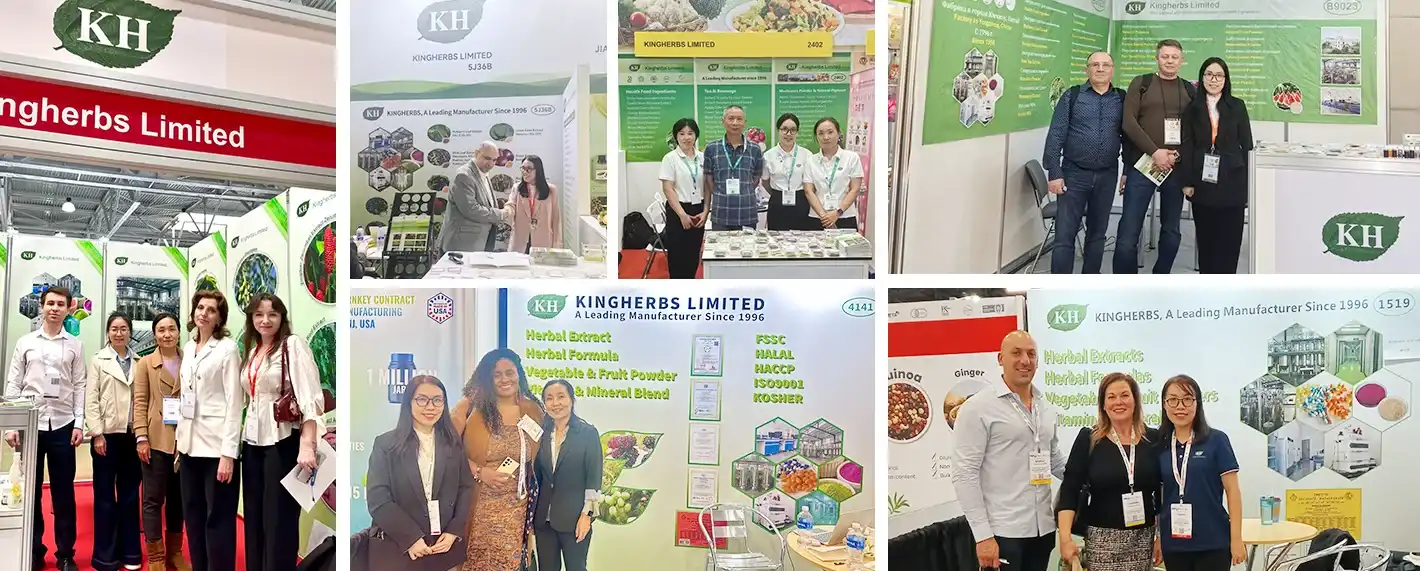
KH is known as Kingherbs Limited in the business world. The company doesn't trade; it makes things directly. The company has been making herbal and plant-based goods since 1996. At the base level, they have contracts with suppliers of raw materials that lock in the type of plant, the state of the soil, and the time of collection before the extraction process begins. That purple sweet potato extract has an HPLC result that is unique to that batch. The company is certified by ISO 9001, FSSC 22000, HACCP, Kosher, and Halal, and it is also allowed to sell organic food by both the EU and the USDA. First, people can ask for samples or place small trial-kg orders instead of the standard 25kg drum commercial MOQ. It can be shipped in three to five business days if there is stock.
A Real Example: Catching a Specification Gap Before Production
When I worked there, in 2024, my company got three bids for a 10% anthocyanin extract for caps. Of the two suppliers, only one gave a batch-specific HPLC report that showed how cyanidin and peonidin were broken down, not just a number for the total anthocyanins. The prices per kilogram were almost the same. The brand's quality control team looked at a sample from the second source and found that it only worked 7.8% of the time, which is 22% less than the 10% promised. A test piece had this hole in it before a 500 kg order was sent out. There weren't a lot of pills from that brand that didn't do what it said on the side. Because of this, I tell everyone who works in procurement to ask for a batch-specific COA that is linked to the sample lot instead of a general product sheet.
What Packaging and Storage Conditions Help Preserve Extract Quality?
Packaging Options and Selection Criteria
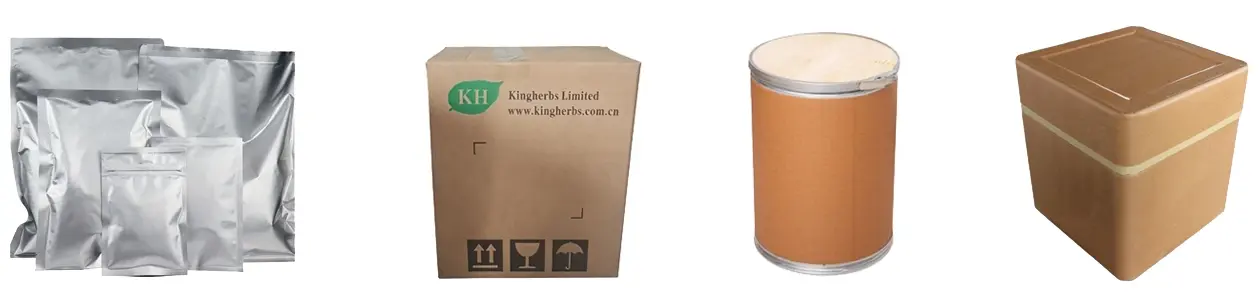
For smaller amounts, the best ways to keep light and moisture out are with aluminum foil bags and multi-layer moisture barrier bags. Most bulk items come in fiber drums with inner liners. Each drum should hold 25 kg of goods. This is the best amount for safety and ease of movement on a pallet. Containers made of plastic or HDPE work well for liquid purple sweet potato extract manufacturers. To send things by ocean freight, bulk cartons that are put on pallets work well. Powder that has a lot of anthocyanins soaks up water faster than a lot of other plant sources. Your seller should use a format that doesn't let water, air, light, or smell through.
Storage and Shelf-Life Controls
Make sure you know the best temperature range and the highest level of relative humidity that is allowed. This usually means conditions that are cool and dry, below room temperature. For those who have opened the drum, make sure they know how to close it again. Find out if a desiccant packet comes with it or if you need to get one. New items should go into and out of the building first when they arrive. You should get more information from the seller than just the label's shelf life. Along with the steady data that backs up the shelf life, you should also get their return or expiration policy.
International Logistics Documentation
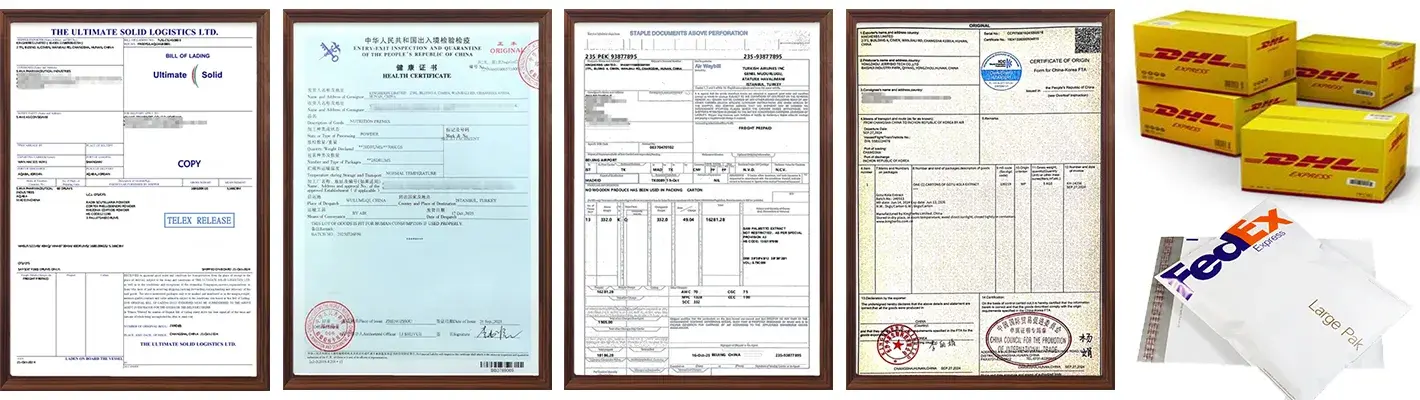
A packing list, a certificate of origin, a group COA, and a certificate of authenticity should all be in the package, whether it's being sent by air or sea. Write it down, whether it's EXW, FOB, CIF, or DDP. This shows you at each step who is in charge of the freight, insurance, and getting the goods through customs. Check the language rules for container labels in the country where the shipment is going before it gets to the port. Do this before the shipment even leaves the plant.
How Should You Compare MOQ, Bulk Pricing, and Lead Times?
What Determines Purple Sweet Potato Extract Price Per Kilogram?
There are things besides how strong it is that decide how much purple sweet potato extract costs per kilogram. The main difference in price between a 5% and a 10% standard is the amount of anthocyanin. More raw tuber must be added per kilogram of finished powder for the number to go up. There is a base price for strength, plus costs for the amount of extract, the amount of container, the organic certification, and the testing package you need. There are many things that can change the final landed cost, such as the type of packing, the amount bought, the time of year when goods are available, and the terms of the freight. If both quotes have the same specs, terms of delivery, and testing, it makes sense to look at them next to each other.
Procurement Terms to Confirm
You should ask for both a sample MOQ and a full business MOQ. A lot of sellers will let you buy a small amount first before they make you buy a lot. Check the price breaks for different amounts of work, the wait times for both small and large orders, the terms of payment, and the Incoterm that goes with the price that was given. Check how many items the supplier can make compared to how many you want to buy. Find out how reliable their shipping plan is and what their policy is for replacing or giving a warranty on a batch that doesn't work out for you. Also, find out how long the price they give you is good for before it changes.
Why Request a Sample Before Placing a Large Purple Sweet Potato Extract Order?
What to Evaluate in a Pre-Order Sample
The anthocyanin should be the right color, smell, and quantity for what you are seeing. Then remove it and blend or melt it into the powder or liquid you wish to utilize. The sample should be left for a few weeks. Then test the color of the sample at the proper pH, the taste at the proper quantity, and the wetness. There should be a bacterial test to see whether the work requires it. Also, check that the package wasn’t destroyed or damp before shipping from a purple sweet potato extract manufacturer.
Application-Specific Validation
An OEM supplement brand should check the panel for the pill fill weight, ensure the mix is the same for a test batch, and verify the arithmetic for dosage based on supplement facts. The distributor should look for the shelf life of the items. The packaging should be durable for a long time throughout a false shipping cycle. How is the quality of a second sample collected weeks later? Any plant that produces food or beverages has to go through a comprehensive field test to evaluate how it reacts to heat, light, pH, and sedimentation. They need to check that the color does not change, the fragrance is the same, and that it is compatible with the preservation system of the base recipe.
Sample-to-Bulk Risk Controls
Get a formal description of the sample and a COA that is sample-specific and discusses the test technique. You should have a sample on hand so you can easily compare it to the first shipment in bulk. Also, let your seller know in advance so they are aware of what they need to accept huge deliveries. Before the shipment leaves the plant, check the documents that are ready to ship. This individual should pledge to let you know if the procedure or the raw materials change. And have the first commercial batch tested by someone other than the source, even if the COA from the supplier appears okay.
Conclusion
If you know how to get excellent purple sweet potato extract, you won’t simply opt for the cheapest 1kg. They make sure the grade, quantity of anthocyanin, kind of extract, and approval are all proper for each customer.” They compare every batch to an actual COA and tested sample to make sure it is the same before the first shipment.
FAQ
1. What is purple sweet potato extract?
Purple sweet potato extract is a concentrated ingredient made from purple-fleshed sweet potato, usually containing anthocyanins. It ships as a powder or liquid for food, beverage, supplement, cosmetic, or natural-color applications.
2. What should a COA for purple sweet potato extract include?
A COA should identify the batch, specification, actual test results, test methods, manufacturing date, expiry or retest date, and quality approval. It may also include anthocyanins, moisture, microbiology, heavy metals, pesticides, and residual solvents.
3. How is purple sweet potato extract made?
Manufacturers commonly use water or hydroalcoholic extraction, followed by filtration, concentration, and drying. The final process may include spray drying, freeze drying, carrier addition, or anthocyanin enrichment.
4. What is the difference between purple sweet potato powder and extract?
Powder stays closer to the whole raw material and usually carries a lower anthocyanin concentration. Extract is more concentrated and is typically standardized for a target functional or color performance.
5. Is purple sweet potato extract safe?
Safety depends on identity, composition, contaminants, intended use, dosage, and destination-market requirements. Buyers should review regulatory documentation where applicable and get a current COA and allergen statement.
6. What is the typical MOQ for bulk purple sweet potato extract?
MOQ varies by supplier, potency, packaging, certification, and customization needs. Buyers should request both a trial MOQ and a commercial MOQ before comparing prices across suppliers.
7. How should purple sweet potato extract be stored?
Most powdered extracts should stay sealed, cool, dry, and protected from light and moisture. The supplier's technical data sheet should define the specific temperature, humidity, and shelf-life conditions.
Ready to Move From Specification Sheet to Purchase Order?
Narrowing down a supplier gets easier once you have a real COA, a sample result, and a written specification side by side. KH (Kingherbs Limited) has supplied botanical extracts since 1996 and keeps purple sweet potato extract in ready stock at 5% and 10% anthocyanins, with trial-kg samples and 25kg drum commercial orders available for sale. Email info@kingherbs.com with your target application, volume, and destination country to get a specification sheet and sample quote this week.
References
1. European Commission. Regulation (EU) 2015/2283 on Novel Foods. 2015. https://eur-lex.europa.eu/eli/reg/2015/2283/oj
2. European Commission. Regulation (EC) No. 1333/2008 on Food Additives. 2008. https://eur-lex.europa.eu/eli/reg/2008/1333/oj
3. U.S. Food and Drug Administration. 21 CFR Part 111 — Current Good Manufacturing Practice for Dietary Supplements. 2023. https://www.ecfr.gov/current/title-21/chapter-I/subchapter-B/part-111
4. U.S. Food and Drug Administration. 21 CFR Part 117 — Current Good Manufacturing Practice and Preventive Controls for Human Food. 2023. https://www.ecfr.gov/current/title-21/chapter-I/subchapter-B/part-117
5. International Organization for Standardization. ISO/IEC 17025:2017 — General Requirements for the Competence of Testing and Calibration Laboratories. 2017. https://www.iso.org/standard/66912.html
6. Codex Alimentarius Commission. General Principles of Food Hygiene, CXC 1-1969. 2022 revision. https://www.fao.org/fao-who-codexalimentarius/codex-texts/list-standards/en/
About the Author
Cathy, Manager at KH (Kingherbs Limited), works directly with procurement and R&D teams across dietary supplement, food and beverage, and cosmetic manufacturing on botanical ingredient sourcing. Her work covers specification review, COA verification, and sample-to-bulk transition planning for anthocyanin-rich extracts, including purple sweet potato extract, sourced for buyers across North America, Europe, and Southeast Asia.
Send Inquiry
You may like