
Is Chamomile Extract Powder Safe for Daily Use?
Oct 21, 2026
If you are wondering if it is safe to take a chamomile extract powder every day, my answer is yes, if it is properly standardized, dosed, and produced by a reliable producer. This fine brown-yellow powder is made from the flower heads of Matricaria recutita and includes active compounds such as apigenin, bisabolol and chamazulene. The extract of chamomile is regarded as generally recognized as safe by the FDA and ESCOP for regular intake and application to the skin. However, the concentration level, the extraction procedure, and the individual's sensitivity will all play a role in how safely it will fit into your finished product.
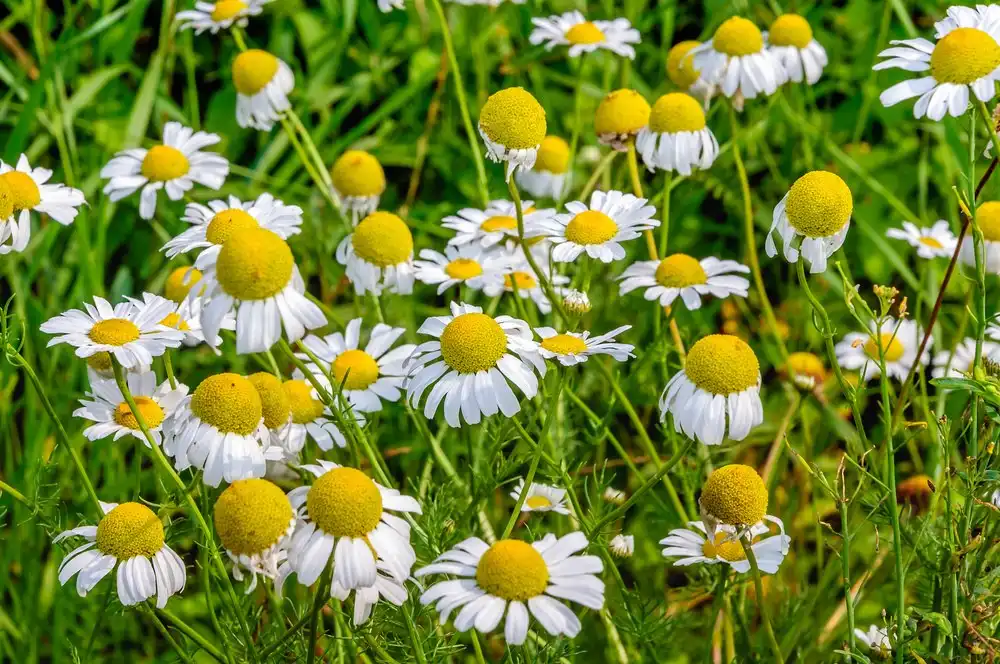
Understanding Chamomile Extract Powder and Its Safety Profile
Before sourcing any botanical raw material at scale, your team needs a clear picture of what it contains and what the science says about long-term use.
Chemical Composition and Bioactive Markers
German chamomile extract contains apigenin, a flavonoid that works by binding to GABA-A receptors in the brain, causing mild anti-anxiety benefits. Standardized grades of apigenin range from 0.3% to 98% by HPLC, enabling formulators to properly control the quantity of active ingredient given. The accompanying compounds in the essential oil fraction, including bisabolol and chamazulene, have anti-inflammatory and calming benefits on the skin. KH offers our chamomile extract powder in 4:1 and 10:1 extract ratios, with flavonoid concentration measured at 6%-10% each batch.
Established Dosage Guidelines and Regulatory Status
The European Medicines Agency (EMA) issued a Community Herbal Monograph on Matricaria chamomilla flower. It recommended oral doses of 900–1,500 mg of dry extract daily for adults for use in wellness. In the dermo-cosmetic literature, the most often mentioned concentrations for use in topical cosmetics are between 0.5% and 3%. The FDA considers chamomile as Generally Recognized As Safe (GRAS) for food purposes. These criteria offer a science-based foundation for label claims for supplement and food companies.
Chamomile Extract Powder vs. Chamomile Tea: A Key Distinction
One cup of chamomile tea contains around 1-5 mg apigenin, while a 10:1 standardized extract concentrate may provide a controlled, repeatable dose 10 times more potent by weight. Such fluctuation in concentration is important in the development of supplements and cosmetics when batch-to-batch homogeneity is an issue. The problem with raw herbal tea is that its microbial loads are variable and the active constituents change with the seasons, something that is removed by design with a spray-dried, standardized powder.
Health Benefits and Potential Risks of Daily Use
Understanding both the benefits and the risk factors allows your R&D and QA teams to build products with confidence and defensible label claims.
Proven Therapeutic Benefits
Chamomile extract powder is a well-researched ingredient with functional qualities that may be employed across a variety of product categories. The main advantages reported in published research are:
- Anti-inflammatory effect: Chamazulene inhibits the cyclo-oxygenase (COX) enzymes, therefore reducing prostaglandin production. This is fantastic for after-procedure care products, anti redness serums.
- Antioxidant defense: Flavonoids, particularly apigenin and luteolin, neutralize free radicals. Quantifiable levels of DPPH inhibition are documented in peer-reviewed studies.
- Mild sedation and sleep support: A randomized controlled trial in 2017 published in Phytomedicine found that chamomile extract at 270 mg, administered twice daily, significantly improved sleep quality ratings in chronic insomnia patients over 28 days.
- Digestive comfort: EMA monograph recommends use of EMA for small gastrointestinal spasms, suitable for functional food and supplement formulators addressing gut health
These benefits may be easily translated into commercially feasible product claims for supplement, cosmetic and functional beverage markets.
Allergic Reactions and Drug Interactions
Chamomile belongs to the Asteraceae/Compositae family. People known to be sensitive to ragweed, chrysanthemum, or marigold may have cross-reactive allergies. For B2B, it means allergy notice text is required on labeling for consumer-facing items. Furthermore, high dosages of apigenin may also worsen the effects of warfarin and other anticoagulants, a contraindication that pharmaceutical makers are obligated to include in safety assessments.
Selecting the Right Chamomile Extract Powder for Your Business
Not all chamomile raw materials perform equally in formulation. Evaluating specifications before purchase protects your quality pipeline.
Key Specification Parameters to Evaluate
Your procurement checklist for comparing providers should include the following factors:
- Apigenin content: HPLC confirmed, not UV. Contaminant compounds may fool UV methods into overestimating purity.
- Extraction ratio: The extraction ratio is given as a ratio, e.g., 10:1. This implies that 10 kilograms of raw flower were utilized to generate one kilogram of extract. This knowledge is important when you're trying to determine the cost per active dose.
- Appearance and solubility: Fine dark golden powder, good water dispersibility, suggesting clean spray-drying and little excipient load.
These qualities directly impact the consistent performance of the ingredient in your production batches.
Certifications That Reduce Procurement Risk
KH’s chamomile extract powder is ISO9001, FSSC22000, KOSHER, HALAL, HACCP, and FDA certified. These certifications fulfill most import compliance standards for distribution in the U.S. market. For commodities traveling to the EU, suppliers are required to present heavy metal testing results and pesticide residue certificates that match restrictions set forth in EC No 396/2005.
Organic vs. Conventional: Cost and Quality Trade-offs
Certified organic chamomile powder that eliminates synthetic pesticide residues is a boon to the clean-beauty and premium nutrition sectors. But organic matter tends to be priced at a premium of 20% to 35% per kilogram, and its supply may be more restricted, depending on harvest cycles. Often, conventional, well-established material from recognized planting bases will fulfill the same regulatory and commercial standards at a more stable price.
Procuring Chamomile Extract Powder: Best Practices for B2B Clients
Sourcing decisions at scale require more than a competitive price. Supply chain continuity and documentation integrity matter equally.
Supplier Vetting and Documentation Requirements
Request CoAs for batch level with HPLC chromatograms for apigenin testing, microbiological plate counts, heavy metal panels, and solvent residue declarations. At KH, we provide a thorough HPLC analytical report for each batch. We use just pure water or food-grade ethanol – no dirty organic solvents – which makes your solvent residue compliance reporting much easier.
Logistics and Lead Times
KH has stock available and can ship quickly. Samples and small trial quantities will be sent by courier within 3-5 working days. Commercial orders are sent in 25 kg/drum increments by air or ocean freight with flexible routing to US, EU, and Southeast Asian ports. Commercial orders MOQ is 25kg; samples and small kgs trial orders are allowed to ease your internal evaluation procedure.
Pricing Drivers and Cost Management
The main cost driver is the apigenin concentration. A 0.3% flavonoid-grade extract for functional beverages is cheaper per kilogram than a 98% apigenin isolate for medical purposes. When buying from a manufacturer with direct planting base connections, locking in volume agreements for 6 to 12 months will stabilize your input pricing against the uncertainties of seasonal harvests.
Ensuring Safe and Effective Use in Your Formulations
Getting the sourcing right is only half the equation. Formulation parameters determine whether the ingredient delivers on its promise.
Application-Specific Dosage Recommendations
For dietary supplement capsules used to treat sleep or anxiety, the most common effective dosage range documented in the clinical literature is 200-400 mg of standardized chamomile extract (1.2% apigenin) per serving. [0004] Topical skin care has evident antiredness action with 0.5 to 2% inclusion in emulsion bases without hazard of irritation. Water soluble grades for RTD forms at 0.1% - 0.3% w/v maintain the clarity for functional drinks.
Storage Conditions and Shelf-Life Management
Store chamomile extract powder in sealed containers, away from direct light and moisture and temperatures over 25°C. In this case, the content of apigenin stays stable for 24 months from the date of manufacturing. KH is packed in sealed 25-kilogram drums for ambient temperature warehousing and overseas shipment.
Regulatory Labeling Considerations for the US Market
In the USA, the FDA 21 CFR Part 111 (Current Good Manufacturing Practice) regulates the use of chamomile extract in dietary supplements. "Supports relaxation" is a structure/function claim and needs a standard disclaimer. The cosmetic label should show the ingredient as Matricaria recutita flower extract according to INCI nomenclature. Make sure your supplier papers and your label disclosures match. This is a basic compliance need, but one that is often missed.
Conclusion
Chamomile extract powder from a traceable/certified manufacturer in daily use, when adequately standardized, has a very good safety profile for consumers and industrial use. The research supports its anti-inflammatory, antioxidant, and calming properties. Regulatory status in the US and EU provides an acceptable compliance framework. The difference between a successful product launch and a terrible one is the consistency of the raw material – confirmed apigenin content, clean extraction, and batch-level documentation. These standards are non-negotiable when you are building a product line that depends on recurrent performance.
FAQ
1. Does chamomile extract powder cause allergic reactions?
Yes, in susceptible individuals. Chamomile belongs to the Asteraceae family, which shares cross-reactive allergens with ragweed and related plants. For product labeling purposes, include an advisory for consumers with known Asteraceae sensitivity. Incidence in the general population is low, but it represents a manageable formulation and labeling consideration rather than a disqualifying risk.
2. How is chamomile extract powder different from chamomile tea in terms of safety?
Chamomile tea delivers a dilute, variable dose of bioactives. Standardized chamomile extract powder delivers a concentrated, reproducible dose verified by HPLC. This concentration requires more careful dosing in supplement applications, but it also eliminates the microbial and potency inconsistencies associated with raw herbal material — making it the safer and more predictable choice for manufactured products.
3. What certifications should I verify when buying wholesale?
At a minimum, confirm ISO9001 (quality management), HACCP (food safety), and FSSC22000 (food safety system). For US distribution, FDA registration is essential. KOSHER and HALAL certifications expand your addressable market. Always request batch-specific CoAs with HPLC data, heavy metal reports, and microbial testing results before committing to a commercial order.
Partner with KH for Premium Chamomile Extract Powder Supply
KH has been producing botanical ingredients since 1996. Our chamomile extract powder — standardized from Matricaria recutita flowers, available in 4:1 and 10:1 ratios with apigenin from 0.3% to 98% — ships from ready stock within days. As a trusted chamomile extract powder supplier, we offer sample orders, custom formulation support, and full batch documentation. Contact us at info@kingherbs.com to request a sample or commercial quote.
References
1. European Medicines Agency (EMA). Community Herbal Monograph on Matricaria recutita L., flos. EMA/HMPC, 2015.
2. Hieu, T. T., et al. "Therapeutic effects of chamomile: A review." Phytomedicine, 2019.
3. Zick, S. M., et al. "Preliminary examination of the efficacy and safety of a standardized chamomile extract for chronic primary insomnia." BMC Complementary and Alternative Medicine, 2011.
4. Srivastava, J. K., Shankar, E., & Gupta, S. "Chamomile: A herbal medicine of the past with a bright future." Molecular Medicine Reports, 2010.
5. U.S. Food & Drug Administration. GRAS Notices for Chamomile (Matricaria chamomilla) Preparations. FDA, 2022.
6. Miraj, S., & Alesaeidi, S. "A systematic review study of therapeutic effects of Matricaria recotita chamomile." Electronic Physician, 2016.
Send Inquiry
You may like