_1762508637542.webp)
How Is Aloe Vera Gel Powder Used in Skincare Products?
Oct 16, 2026
The inner leaf parenchyma of Aloe barbadensis Miller is the source of the concentrated, dehydrated extract that is known as aloe vera gel powder. In the production of skincare products, it serves as a multifunctional active ingredient, providing deep hydration, relief from inflammation, and protection against free radicals in the form of a powder that is stable and water-soluble. This powder, in contrast to liquid aloe, can be easily incorporated into creams, lotions, serums, and face masks without causing any disruption to the viscosity of the emulsion or presenting any chance of microbiological contamination. As a practical and scalable alternative that maintains consistent bioactive potency across each and every production batch, it is an attractive option for those who are responsible for formulating cosmetics and developing products.

Understanding Aloe Vera Gel Powder in Skincare
What Is It and Where Does It Come From?
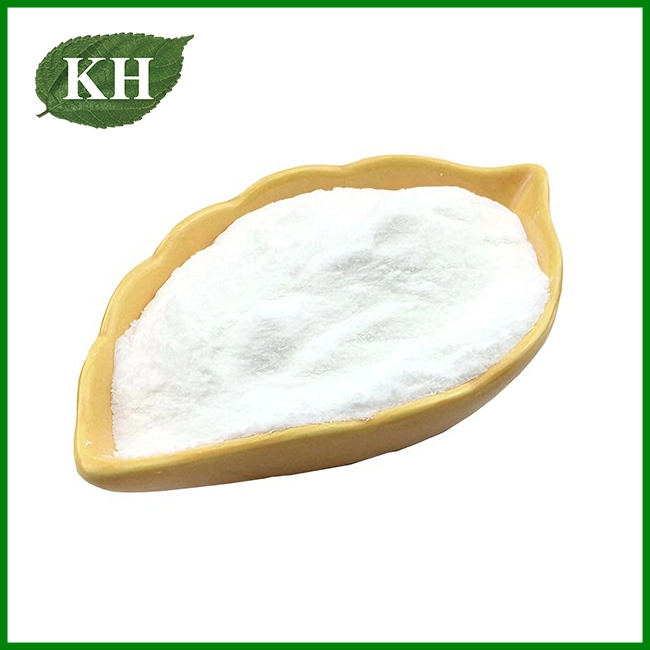
The inner gel of fully grown Aloe barbadensis Miller leaves is carefully extracted to make aloe vera gel powder. To get the most useful stuff out of the plants, they need to be at least two years old. The fine white to light yellow powder that is left over still has all of the plant's chemicals in it, such as polysaccharides, glycoproteins, and antioxidants. We at KH only buy from plants that have been approved. These sites keep an eye on the types of plants used, the soil's quality, and the time of harvesting to make sure the active ingredients are safe before they are handled.
Key Bioactive Benefits for Skin
Acemannan polysaccharides are present in this powder, which covers the surface of the skin and creates a film that allows air to pass through while preventing moisture from escaping. This aids in the healing process of skin that is dry or injured. One is able to determine the degree to which glycoproteins are effective in reducing inflammation. By doing so, they alleviate both pain and swelling. In contrast, antioxidants are able to combat oxidative stress, which is one of the primary factors that contributes to the ageing process. For individuals who have undergone surgical procedures and are looking for clinical-grade outcomes, aloe vera gel powder is an excellent ingredient for anti-ageing serums, sun care formulations, and recovery creams.
Powder vs. Fresh Aloe: Why Formulators Choose Powder
As a result of enzymes working on it and bacteria growing on it, aloe gel that is still fresh degrades very quickly. The water weight is removed from the powder prior to the freeze-drying process by using a concentration ratio of either 100:1 or 200:1. This allows for accurate and consistent doses to be used in intricate formulations, as well as a significantly longer shelf life for the product. In the cosmetics industry, maintaining uniformity from one batch to the next is of utmost importance. Powder form allows them to achieve that consistency without requiring a great deal of preparation.
How Is Aloe Vera Gel Powder Used in Skincare Formulations?
Application Across Product Types
A lot of different kinds of cosmetics are made with aloe vera gel powder by cosmetic scientists. As a humectant, it pulls water into the stratum corneum and is found in skin serums and creams. It melts completely in light toners and serums, leaving behind a smooth, healing finish. It keeps natural clays from drying out the skin in masks and peel-off products and helps the skin's layer work after the mask is off.
These are the main ways that this element works well:
- Moisturisers and body lotions: Used at 0.5%–2.0% in the water phase, the powder rehydrates into active gel, providing long-lasting moisture retention without thickening the formula excessively.
- Serums and ampoules: At 1.0%–3.0%, it integrates with hyaluronic acid and niacinamide to reinforce hydration and skin-calming effects in high-performance formulations.
- Sheet masks and wash-off treatments: Incorporated into the soaking solution at 1.0%–2.5%, it delivers immediate soothing relief—particularly effective for post-sun or sensitive skin products.
The powder transforms into an active gel that retains moisture for an extended period of time without making the formulation excessively thick when it is added to the water phase of creams and body products at a concentration ranging from 0.5 to 2.0 percent. In addition to having a high degree of performance, it is also effective when combined with hyaluronic acid and niacinamide at concentrations ranging from 1% to 3% in order to create serums and ampoules that calm and hydrate the skin even more.
The rapid calming relief that it provides can be obtained by adding it to the soaking solution at a concentration ranging from 1% to 2.5%. Because of this, it is an excellent choice for products that are designed for skin that is sensitive or sun-damaged.
Formulation Compatibility and Stability
With these ranges, formulators don't have to start from scratch when putting products into different groups based on skin issues, like daily hydration or targeted repair.
Procurement Insights for Aloe Vera Gel Powder in Skincare Manufacturing
Certifications and Sourcing Standards That Matter
If you want to buy aloe vera gel powder, the first thing you should do is look at their certifications. At the very least, check to see if they are licensed by the FDA, ISO9001, FSSC22000, and HACCP. You can sell your goods in more places in North America, the Middle East, and Asia-Pacific if they are KOSHER and HALAL-approved. All of these labels are on KH's aloe vera gel powder, and each batch is tested with HPLC to make sure it has the right amount of O-acetyl polysaccharide (4%–8%) and aloin A. This makes sure that the standard you order is the same as the standard that comes with every 25 kg drum. For rinse-off or leave-on formulas that don't need a lot of strength, spray-dried powder at 100:1 or 200:1 is a cheap option. When powder is freeze-dried at 50:1, 100:1, or 200:1, those with a higher molecular weight are kept. Because of this, it works great for skin care, cosmetics, and medical products that need to be bioavailable. In the long run, it saves a lot of money to choose the right grade at the beginning.
Specification Options That Match Your Formulation Goals
When making a budget for aloe vera gel powder, you should think about how much you need, how it will be dried, and the concentration ratio. KH lets R&D teams try recipes with small orders of samples and kilograms. Big business sales begin at 25 kg per drum. Within three to five working days, samples are sent out, and ready-to-ship items are kept on hand. No matter how big the order is or how quickly you need it, we can ship it by express, air freight, or ocean freight. It's easier to buy things this way because there are no more logistics problems.
Pricing, MOQ, and Lead Time Realities
When developing a budget for aloe vera gel powder, it is important to take into consideration the concentration ratio, the drying technique, and the amount. The commercial orders for KH begin at 25 kilograms per drum, and the company offers sample and small kilogram trial orders for research and development teams that are validating formulae. The inventory is kept in a state of readiness for quick shipment, and samples are shipped out within three to five business days. The procurement process is simplified by the elimination of logistical friction through the use of courier, air freight, and ocean freight shipping methods, depending on the volume of orders and the timeframe for delivery.
Addressing Safety, Dosage, and Potential Side Effects
Recommended Use Levels and Regulatory Alignment
Depending on the product and the skin problem it is intended to treat, aloe vera gel powder is typically used at 0.5% to 5%. These numbers are close to what is usually done to make sure that makeup products are safe. The amount of aloin is a key safety measure. The process of making KH's powder makes sure that the amount of Aloin A stays within certain limits. This keeps the finished products from being irritating. Every batch comes with a full HPLC measurement report for your quality control files.
Allergy Awareness and Patch Testing
People who are sensitive to plants belonging to the Liliaceae family may have a negative reaction to aloe vera, but it is harmless for most skin types. It is recommended that cosmetic companies who wish to sell their products to individuals who have sensitive skin apply the usual patch test instructions directly to the skin. When barrier-supporting compounds such as ceramides or panthenol are combined with aloe vera gel powder, the likelihood of irritation occurring in individuals with sensitive skin is reduced.
Storage and Shelf Life Best Practices
This powder contains a lot of water, so it quickly absorbs moisture from its surroundings. Closed containers should be kept out of direct sunlight and in a cool, dry place (below 25°C) with a humidity level below 60%. It will stay good for 24 months from the date it was made if it is stored this way. Open drums should be closed back up tightly every time they are not in use. These methods of storing your raw material will keep the amount of acemannan and its general health safe from microbes.
Future Trends and Innovations in Aloe Vera Gel Powder for Skincare
Advanced Extraction and Delivery Technologies
Microencapsulated delivery systems are becoming more popular in the next wave of skincare items that use aloe. These help the product get to the right spot on the skin and keep acemannan from breaking down while it's on the shelf. With membrane filtration techniques, manufacturers can now separate high-molecular-weight polysaccharide fractions more accurately. This lets them make powders with known acemannan levels that meet standards like those used in pharmaceuticals.
Clean Label, Organic, and Vegan Demand
In the market for skin care products in the United States, promises about organic and clean labels are rapidly expanding. Over thirteen billion dollars was the value of the global market for natural personal care products, according to the extensive research study that was conducted by Grand View Research in the year 2023. Up until the year 2030, it will continue to expand at a compound annual growth rate of 5.2%. Easily filling this space is aloe vera gel powder that comes from organic farms that have been approved. When brands obtain their products from reputable and traceable suppliers, they are able to achieve more success in retail stores as well as in direct-to-consumer (DTC) sales.
Strategic Sourcing for Long-Term Supply Chain Stability
More and more, brands that are focused on research and development work together with suppliers for a long time. When you work with a provider that does more than just give you raw materials, you cut down on time and risk. They should also help make the mixture, test its stability, and meet certain needs. KH has its application laboratory that helps mix and improve the recipes for supplements, skin care products, and drinks.
Conclusion
There is a good middle ground between the natural effectiveness of plants and the requirements of industrial formulations, and aloe vera gel powder is a wonderful example of this. If you are in the United States market and produce makeup, vitamins, or personal care goods, this powder is an excellent option for you to consider because it possesses a concentrated bioactive profile, clean solubility, and a long shelf life. It makes no difference if you are looking for a steady hydration booster for a daily moisturiser or an element that has been conducted research and discovered to assist individuals in recovering from surgical procedures. At this point, it is of the utmost importance to select a source of this chemical that has been examined and given the go-ahead.

FAQ
What is the difference between spray-dried and freeze-dried aloe vera gel powder?
Spray-drying uses heat to remove moisture quickly and is cost-efficient for general skincare applications. Freeze-drying removes moisture at low temperatures, preserving higher molecular weight acemannan fractions. For clinical or high-performance formulations, freeze-dried powder is the preferred option.
What concentration ratio should I choose for a face serum?
For a face serum, 100:1 or 200:1 freeze-dried aloe vera gel powder at 1.0%–3.0% in the water phase is a practical starting point. Your exact level will depend on the overall formula complexity and the skin concern you are targeting.
Does aloe vera gel powder contain Aloin?
High-quality processed powder undergoes decolorisation to reduce Aloin content to safe, specified levels. KH's powder is HPLC-tested for Aloin A content, and full batch documentation is available upon request to support your QA review.
How should I store aloe vera gel powder after opening the drum?
Reseal the drum tightly after each use. Store in a cool, dry location below 25°C with relative humidity under 60%. Avoid prolonged exposure to air, as the powder is highly hygroscopic and will absorb ambient moisture, affecting solubility and bioactivity.
Is KH's aloe vera gel powder suitable for vegan and clean-label products?
Yes. The powder is plant-derived, naturally processed using water-based extraction, and carries KOSHER and HALAL certifications. It is appropriate for vegan, clean-label, and organic-positioned formulations.
Get Your Certified Aloe Vera Gel Powder from KH
KH has been a trustworthy company since 1996. They make aloe vera gel powder and have provided approved, HPLC-verified plant extracts to beauty and health brands all over North America. You can get our powder either freeze-dried or spray-dried, and each batch comes with a full batch history. Free samples will be sent out within 3–5 business days, and large sales start at 25 kg. Send us an email at info@kingherbs.com to get a sample right away and tell us about the recipe you need help with.
References
1. Surjushe, A., Vasani, R., & Saple, D. G. — Indian Journal of Dermatology, 2008.
2. Hamman, J. H. — Molecules, 2008.
3. Eshun, K., & He, Q. — Critical Reviews in Food Science and Nutrition, 2004.
4. Grand View Research — Organic Personal Care Market Size & Forecast Report, 2023.
5. Cosmetic Ingredient Review (CIR) Expert Panel — International Journal of Toxicology, 2007.
6. Ni, Y., Turner, D., Yates, K. M., & Tizard, I. — Fitoterapia, 2004.
Send Inquiry