
Couch Grass Rhizome Extract Dosage, Formulation, and Safety
Nov 3, 2026
There is no recommended dose of couch grass rhizome extract. The best level depends on extract ratio, carrier content, product type, target client, and local legislation. In practice, the formulators convert each serving into a raw-material equivalent, choose a powder or liquid that is suitable for the process, and do a safety study before launch. Safety work covers botanical identification, contaminants, sensitive populations, and label claims. KH offers couch grass rhizome extract in 2:1, 4:1, and 10:1 ratios as a fine brownish yellow powder. In this piece, we will go over the dosage calculations, formulation alternatives, and approval checks that buyers in the U.S. may adopt immediately.
What Is Couch Grass Rhizome Extract and How Is It Made?
Botanical Identity and Plant Part
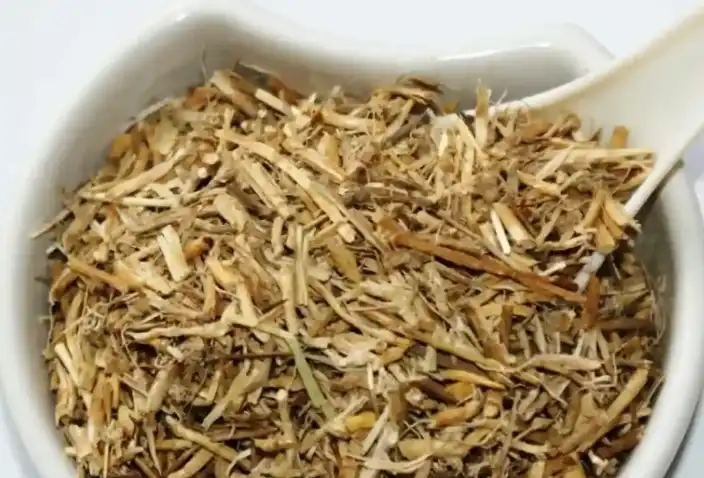
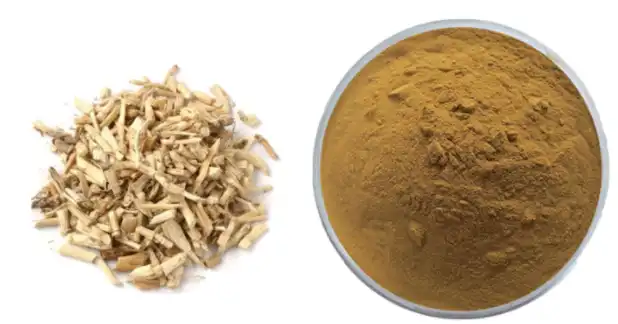
Couch Grass Rhizome Extract is obtained from the underground stems of Elymus repens (a perennial grass, often referred to in older and regional literature as Agropyron repens or Elytrigia repens). Many consumers ask for "couch grass root extract"; however, the rhizome is the real plant part; therefore, the specification should specify this. Our product is a fine brownish-yellow powder from the rhizome only. Contains polysaccharides, flavonoids and organic acids. Buyers should check the botanical name, the plant part, the solvent, the extract ratio, and whether it is native or concentrated on the specification and on the batch-specific COA. Most ID concerns are caught by these checks before a trial order is sent.
Rhizome to Powder
The production process starts with the botanical identification and certification of the rhizome, screening for pollutants and ensuring traceability of batches. Drying and milling parameters affect moisture, microbiological quality, color, aroma, and extraction efficiency. In KH, we deal with planting bases, managing variety, soil, and harvest time. Then we extract couch grass rhizome extract using a pure water extraction process so you don't have to worry about any leftover solvent. The last procedures are generally filtration, concentration, spray drying, sieving, and mixing. Buyers also need to understand what the terms native extract, dry extract, drug-extract ratio (DER), carrier-supported powder, and standardized extract mean, since each of these terms has an effect on how a milligram of powder will behave in a formulation.
Popular usage and plausible benefit claims
Where permitted by law, formulators add couch grass rhizome extract to urinary tract supplements, botanical blends, teas, fast powders and many personal care products. The German Commission E monograph and the European Medicines Agency review describe the rhizome largely in traditional terms, for cleansing the urinary system as part of therapy for minor symptoms. Under DSHEA in the U.S., brands should provide structure/function statements and not make disease claims. Steer clear of this substance, as well as wheatgrass extract and nettle root extract. Each has a different botanical source, different plant portion, different marker profile, and different set of documents.
Couch Grass Rhizome Extract Dosage: How to Determine a Suitable Level
Why No Universal Dose Exists
No regulator or pharmacopeia sets a one-size-fits-all item. A 10:1 powder provides you with a lot more real material per milligram than a 2:1 powder. The figures are even more distorted by carrier concentration, moisture, and standardization. Format also matters, since the serving size varies for a capsule, sachet, and ready-to-drink bottle. The target population and local constraints also affect the final figure. Amounts of dried plant are included in traditional monographs. Those levels don't directly translate to a concentrated powder. Serving size should be based on the couch grass rhizome extract standard and not any amount from a competitor label.
Raw Material Equivalent Calculation
Basic formula: Raw-material equivalent = quantity of extract × DER. 100mg of a 10:1 grade is about equal to 1,000mg of rhizome. The same 100 mg of 4:1 grade is roughly 400 mg, and the 2:1 grade is around 200 mg. A formulator might utilize 500 mg of 2:1, 250 mg of 4:1, or 100 mg of 10:1 to obtain 1,000 mg of equivalent. Take these figures as not the last word in arithmetic. Carrier content, moisture, extraction yield, and marker concentration may all change the actual value; thus, check every number on the batch COA. Powder and liquid extracts are not equivalent in milligrams to milliliters.
What To Do Before You Approve Serving Size
We suggest a simple sequence. Regulatory classification confirmation and product concept definition. Select the ratio and select the parameter of the extract. Check the compatibility and stability with the other chemicals. Perform safety and claims assessment with sensitive client groups. That's when the team should lock the serving size on the label. This saves reworking, since a formulation picked too early sometimes fails tablet hardness, taste, or shelf-life tests. Our application lab can assist small teams in evaluating many serving options side-by-side, with compounding advice, formulation optimization, and stability testing for beverages, gummies, tablets, and skin care systems.
Formulation Guidance for Couch Grass Rhizome Extract
Powder Formats: Capsules, Tablets, and Sachets
Dry powder is suitable for capsules, tablets, sachets, tea mixes, and powdered vitamins. Our couch grass rhizome extract is a fine brownish-yellow powder. Key requirements include flowability, hygroscopicity, bulk density, particle size, blend homogeneity, taste, odor, and carrier compatibility. If the plant extracts include natural sugars and polysaccharides that may absorb moisture, sealed, lined drums stored in a cold, dry atmosphere can help prevent caking. Pilot mixes should exhibit an even distribution of powder at the desired inclusion level, especially adjacent to minerals or other botanicals. Test it early. Weight variation during a capsule fill is generally a flow or density problem, not a dosage problem.
Ideas for Beverages and Liquids
Less examination is needed for powders than for drops, syrups, and ready-to-drink products. Teams should look at solvent %, pH, preservatives, sedimentation, color stability, container compatibility & microbiological control. Make a small trial batch of the genuine base to check for haze or sediment over time for a beverage using couch grass rhizome extract. However, water-soluble polysaccharide extracts might react differently in acidic, sweetened, or mineral-rich bases. Our couch grass rhizome extract is available as a powder, often blended or pre-dissolved by beverage makers prior to filling. Get a sample ahead of time so your lab can test solubility in your own matrix.
Stability, compatibility and packaging testing
Test for compatibility with other botanicals, minerals, vitamins, acids, sweeteners, and preservatives. Then there are stability and packaging tests, which have to simulate real U.S. conditions, from hot warehouses to wet store shelves. Document appearance, moisture, test or fingerprint results, microbiological counts, and sensory changes at specified intervals. If you're taking a urinary tract combo with plenty of botanicals, watch for color or taste drift. KH only sells finished products in soft capsule form, and we may mix in certain ratios or functions. We can discuss that method with teams that want to use one partner for both ingredient and capsule development.
Couch Grass Rhizome Extract Safety and Regulatory Considerations
Identity, Purity, and Contaminant Controls
The safety examination begins with the identification, purity, and type of the completed product. Because rhizomes grow underground, purchasers should pay special attention to heavy metals, pesticides, microorganisms, mycotoxins, solvent residues, foreign materials, and botanical replacement. There are practical test instructions for the U.S. market in World Health Organization advice on quality control of herbal material, and in USP chapters <561> (items of botanical origin) and <2232> (elemental contaminants in supplements). We provide goods meeting USP and EP standards, and each batch of Couch Grass Rhizome Extract is backed by a comprehensive HPLC Analysis Report. Always compare your limitations to real COA outcomes if you want to know what your limits are.
Claims of Caution and Vulnerable Populations
The word natural here is not used to denote safe. If you are a child, a pregnant or nursing woman, an older adult with serious health issues, someone with allergies, or someone who is on medication, check with a doctor before using a urinary-support product. According to the German Commission e-book, flushing therapy should not be utilized for edema caused by heart or renal disorders. Instead, it encourages drinking plenty of water. Couch grass is linked to wheat; therefore, if you want to slap a gluten-free label on it, you need to get it specifically tested for gluten. DSHEA allows businesses to claim a product cures or prevents illness, provided the proper statement from the FDA is included. But they may state a product has a specific structure or purpose.
Which Documents to Ask for Before Approval
When you have all the paperwork, audits are quicker. Ask to see the blueprint and a batch-specific COA that indicates the actual results, procedures, limits, dates, and authorizations. - Microbes, heavy metals, pesticides, allergies, and non-GMOs. Also include stability data, records of traceability, and paperwork showing the place of origin. The firm KH is certified by ISO9001, FSSC22000, KOSHER, HALAL, HACCP, FDA, ORGANIC (EU), ORGANIC (USDA). It's for another purpose, like making sure the quality is high, making sure the food is safe, obeying religious laws, or achieving organic certification. U.S. supplement brands also require source controls that meet 21 CFR Part 111, the FDA's current standards for good manufacturing practice for supplements. Please send me your qualifying plan at your earliest convenience.
How to Pick a Couch Grass Rhizome Extract Provider and the Type of Supply
How to Choose a Supplier
It helps best when the need is obvious. Name the plant part, species, extract ratio, shape, standardization, yearly volume, market destination, certificates, and private label required. Then, while determining which couch grass rhizome extract providers to deal with, don't only look at the price. Check their botanical qualifications, quality control procedures, batch-to-batch uniformity, level of testing, minimum order quantity, lead time, expertise with exporting, and technical support. Since 1996, KH has been developing botanical substances and continues to oversee the whole process from seed to completion. For industrial use, orders start at 25 kilograms, packaged in 25 kg drums. Small trial orders and samples are also accepted. All samples and in-stock items are stocked and sent by transport, air, or ocean within 3-5 business days.
Powder, Liquid, Standardized Choices
Powder may be used in pills, tablets, packets, and dry mixtures. That usually makes it simpler to transport and to supply the proper amount of medication to each individual. Liquids are easy to incorporate into syrups, drops, and beverages, but need closer control of the solvent, microbiological stability, and containers. Standardized extracts are trying to hit a certain limit or range so that they may be utilized again and again, while native extracts have more of a natural look. Our 2:1, 4:1, and 10:1 grades provide formulators a choice of ratios. For teas and blends where bulk is not an issue, you can get away with a lower ratio, but for tiny capsules and tablets, 10:1 is your best bet. When you consider a long-term supply strategy, you need to think about landing cost, storage requirements, testing packages, MOQs, and samples
Final Checklist & Decision-Making Aid
Before granting the go-ahead, check the botanical name, rhizome portion, provenance, and extraction technique ratio and format. Batch COA, microbiological, heavy metal, and pesticide data, residual solvent status, and evidence of certification must be attached. For the final product, you need to specify the serving size, fit results, stability plan, legal label, claims that have been evaluated, and any import or customs regulations. Match the amount of support you require to the stage of your project. Samples and technical assistance are important for early initiatives. Pilot runs need modest, flexible quantities. And for commercial beginnings, they require constant capacity, repeatable quality, and export documents. A supplier that can scale and modify specs reduces formulation risk and shortens time to market.
Conclusion
A couch grass rhizome extract is made from the rhizome of the Elymus repens plant. There is no set amount of this extract, so the serving size is based on the ratio of extract to carrier, the shape of the product, and the laws in your area. Why do the 2:1, 4:1, and 10:1 grades need different amounts of inclusion? The method for matching raw materials shows you. As long as the powder doesn't get too wet or too flowy, it works well in pills, tablets, and packs. For liquids, however, you need to check for microbes, solvents, and pH. Safety rests on making sure people are who they say they are, testing for harmful substances, checking claims, and being extra careful with groups that are likely to get hurt. When picking a supplier, you should think about more than just price. You should also look at batch-specific COAs, certificates, MOQ, and expert support. Specification, dose math, compatibility testing, and safety review should be done in that order. This lowers the risk of formulation and saves teams from having to do extra work at the end of the process.
FAQ
How do you get couch grass root extract? What is extract from the roots of couch grass?
The root of Elymus repens is what it is made of. Buyers often use the term to mean the same thing. Look at that part of the plant's specs.
How do I change grades from 4:1 to 10:1?
If you multiply the 4:1 amount by 0.4, you can get a rough idea of the 10:1 amount. In terms of raw materials, 250 mg of 4:1 is about the same as 100 mg of 10:1, before changes for carrier and yield.
How much is the MOQ, and how long does it take to get a sample?
We can give you samples and small test orders. Orders for businesses start at 25 kg, which is packed in 25 kg drums. It usually takes 3–5 business days to ship samples and items that are in stock.
Is there no gluten in the extract?
Don't guess. As long as the sticker says "gluten-free," you should ask for specific gluten tests.
Request Couch Grass Rhizome Extract Samples from KH
KH offers couch grass rhizome extract in 2:1, 4:1, and 10:1 ratios, with samples and in-stock orders shipping in 3–5 business days. As an experienced couch grass rhizome extract supplier since 1996, we provide batch HPLC reports, USP and EP-compliant products, and application laboratory support. Email info@kingherbs.com with your target format, annual volume, and destination market.
References
1.European Medicines Agency, Assessment Report on Agropyron repens (L.) P. Beauv., rhizoma, 2012
2.ESCOP Monographs: The Scientific Foundation for Herbal Medicinal Products, 2nd Edition, 2003
3.The Complete German Commission E Monographs: Therapeutic Guide to Herbal Medicines, 1998
4.U.S. Food and Drug Administration, Current Good Manufacturing Practice in Manufacturing, Packaging, Labeling, or Holding Operations for Dietary Supplements (21 CFR Part 111), 2007
5.World Health Organization, Quality Control Methods for Herbal Materials, 2011
6.United States Congress, Dietary Supplement Health and Education Act, 1994
Send Inquiry
You may like